
 EN
EN
The Ongoing Surge in DDR4 Prices: Status, Causes and Strategies
1. Current Outlook
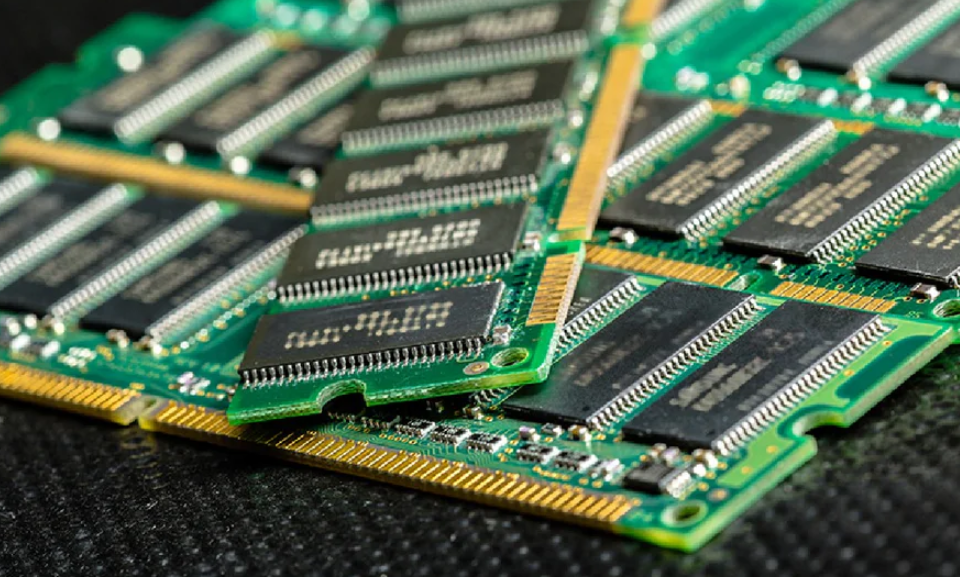
By mid 2025, DDR4 memory has seen an extraordinary price spike — the spot price for standard 8 Gb DDR4 chips has surged by over 130% within just three months. For many devices — desktops, laptops, and industrial equipment — the cost of DRAM has sharply risen, often exceeding the cost of many DDR5 modules.
2. Key Drivers Behind the Surge
2.1 Supply Side Reduction & Strategic Shift
Global DRAM leaders — Samsung, Micron, SK Hynix — are cutting back DDR4 production capacity, shifting their focus toward DDR5 and highbandwidth memory (HBM) for AI and data center markets.This supply reduction is a major driver behind the DDR4 price surge.
2.2 Demand Spike from AI & Data Center Market
Driven by AI workloads, high performance computing, and data center expansion, overall DRAM demand has surged. Even though mainstream consumer devices are moving to DDR5, enterprise servers, industrial control systems, embedded applications and automotive electronics continue to heavily depend on DDR4 — keeping demand robust.
2.3 Stockpiling and Speculative Buying
Concerns over future supply shortages have caused distributors, integrators, and OEMs to engage in preordering and stockpiling (Stock Sourcing), amplifying shortterm supply demand mismatch and further driving up prices.
2.4 Tech Upgrade & End Of Life Dynamics
As DDR5 and HBM become mainstream, DDR4 is gradually being phased out. With major manufacturers limiting or ending DDR4 production (EOL / NRND), remaining DDR4 inventory becomes more valuable, especially under concentrated demand — a classic supply shrinkage when demand remains.
3. Impact on Market and Supply Chain
Cost Pressure on OEMs and System Builders
The DDR4 price spike directly increases BOM cost for PCs, laptops, industrial devices, automotive electronics, servers, and embedded systems. For costsensitive products — industrial controllers, entry level PCs, vehicle ECUs — profit margins are under significant pressure.
Procurement Strategy & Inventory Management Shifts
To mitigate the risk of rising prices, supply chains are increasingly adopting strategies such as “BOM Kitting” (full component list sourcing), minimizing lot sizes (lower MOQ usage), locking prices in advance, and placing staggered orders. Many are also evaluating alternative technologies (DDR5/LPDDR5, HBM, external storage).
Impact on End Products & Consumers
Higher memory costs may force manufacturers to reduce configurations, raise prices, or delay product releases. For end users, this could mean more expensive PCs/laptops/servers, longer upgrade cycles, and supply instability.
|
Strategy |
Reason |
|
Early Booking |
Locking in current supply and price before prices continue to rise (Lead Time + Stock Sourcing) |
|
Exploring alternatives to DDR5 / LPDDR5 / HBM solutions |
For new products, the use of new standard memory can be prioritized to reduce the risk of future cost fluctuations. |
|
Optimize BOM kitting and maintain reasonable inventory levels (BOM Kitting & Just In Time) |
Reduce inventory costs and mitigate inventory buildup risk. |
|
Phased ordering & hybrid supply chain |
To avoid the cost pressure or supply disruption risk brought about by centralized procurement |
|
Long-Term Contract with Suppliers |
Secure stable supply and cost levels through long-term agreements |
4. Mitigation Strategies for Buyers & OEMs
5. Conclusion
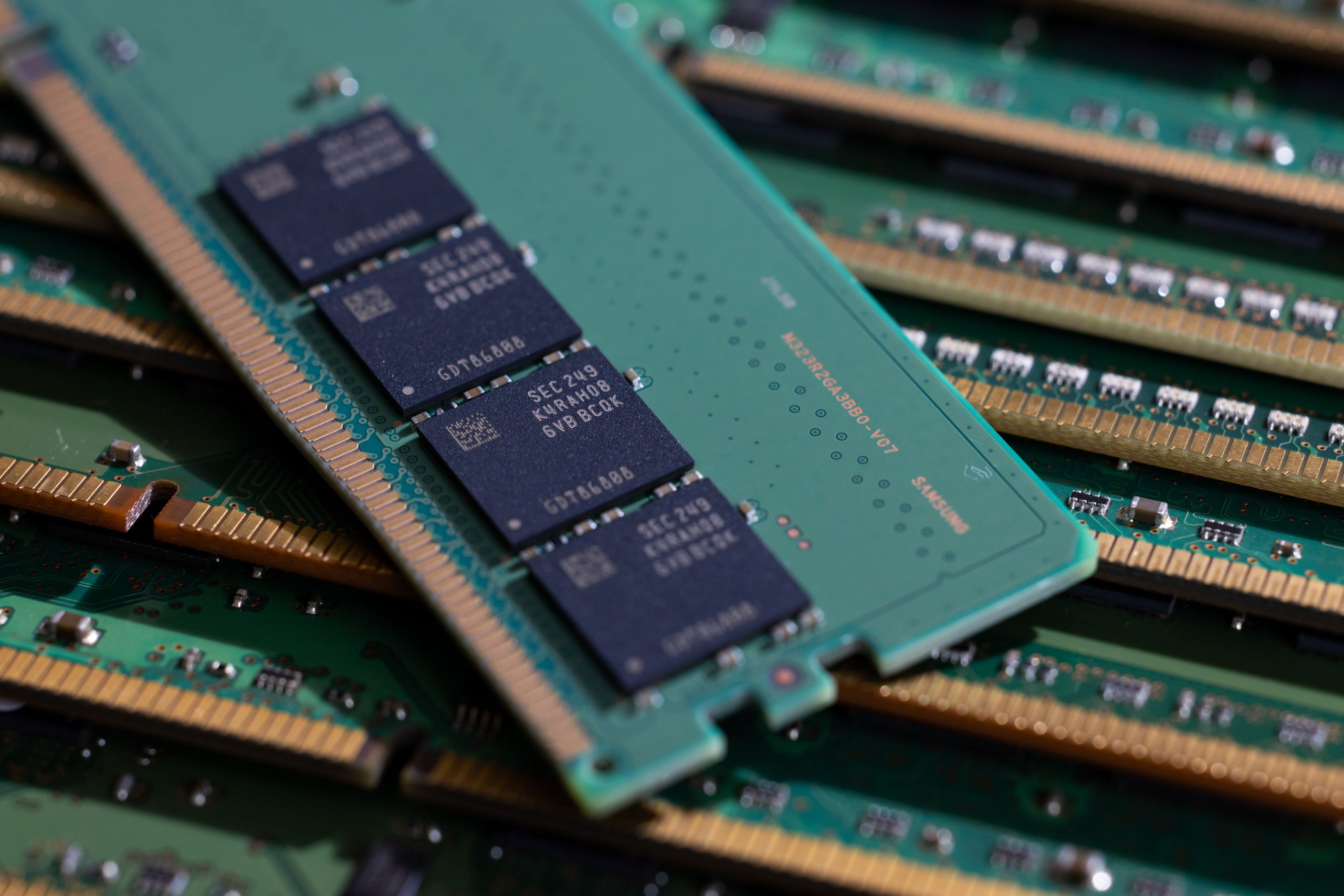
The ongoing DDR4 price surge is the result of a convergence of supply side strategic shifts, demand side structural changes, market stockpiling, and technology migration. While it brings significant short term pressure for system builders and OEMs, it also presents a turning point for companies that proactively adapt — optimizing procurement, updating BOMs, and migrating to newer memory standards (DDR5 / HBM) to reduce long term risk and cost volatility.
We recommend that enterprises promptly review product roadmaps and memory strategies, balancing cost performance and futureproof compatibility to mitigate supply chain risk.
