
 EN
EN
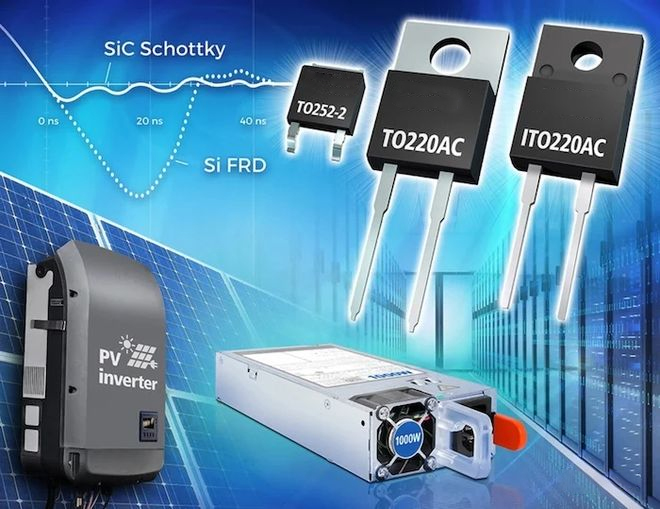
How Schottky Diodes Work: Structure and Core Advantages
Metal-Semiconductor Junction Fundamentals
Schottky diodes work differently from regular PN diodes because they use a metal semiconductor junction rather than the traditional p-n junction setup. This creates what's called a Schottky barrier where electrons can pass through with much less resistance when there's forward bias applied. One big advantage here is that these diodes don't have those pesky minority carrier storage issues that plague standard PN diodes. According to some research published by Ultralibrarian back in 2022, since there isn't a depletion region involved, electrons move through the material much quicker. That makes Schottky diodes really good choices for applications needing fast response times like RF circuits or switching power supplies where speed matters most.
Low Forward Voltage Drop Compared to PN Junction Diodes
Schottky diodes exhibit a forward voltage drop of ~0.3V, roughly half that of silicon PN diodes (~0.7V). In a 5A circuit, this reduces conduction losses by 1.5W, significantly improving efficiency. Industry studies highlight their value in battery-powered systems, where lower voltage drops can extend device runtime by up to 12%.
Fast Switching Due to Majority Carrier Conduction
Schottky diodes get their speed boost from working only with majority carriers, which lets them switch about ten to one hundred times quicker than regular PN diodes. Recovery times can be under a nanosecond in some cases. Since these diodes don't have that pesky reverse recovery time issue, they work great in high frequency applications. Engineers love using them in switch mode power supplies running over 1MHz, RF mixers, and those DC to DC converter circuits. The fast switching helps keep things stable by reducing those annoying voltage spikes and cutting down on electromagnetic interference problems that plague other components.
Key Differences Between Schottky and PN Junction Diodes
| Characteristic | Schottky Diode | PN Junction Diode |
|---|---|---|
| Forward Voltage Drop | 0.2–0.5V | 0.6–1.7V |
| Switching Speed | <1ns recovery time | 50ns–5µs recovery time |
| Reverse Leakage | Higher (µA–mA range) | Lower (nA–µA range) |
| Operating Frequency | Up to 100GHz | Up to 1GHz |
This performance profile positions Schottky diodes as the preferred choice for high-speed, low-voltage applications, while PN diodes remain better suited for high-reverse-voltage scenarios.
Improving Circuit Efficiency with Low Forward Voltage Drop
Impact of Forward Voltage on Power Loss and Thermal Performance
Schottky diodes typically have around a 0.3V forward drop, which means they cut down on conduction losses by almost 60% when compared to regular silicon diodes according to Autodesk's research from last year. When running at 1 ampere current levels, these diodes generate just 0.3 watts of heat instead of the usual 0.7 watts found in traditional options. This makes a big difference for small electronic devices since it reduces thermal stress and often allows designers to skip active cooling solutions altogether. The benefits become even more pronounced in applications involving higher currents such as motor driver circuits where excessive heat tends to create hotspots that are actually one of the main reasons components fail prematurely.
Efficiency Gains in Buck Converters: 12V-to-5V Conversion Case Study
When working with a 12V to 5V buck converter handling 10 amps, swapping out regular diodes for Schottky ones cuts down on those pesky rectification losses quite a bit. Instead of losing around 7 watts, we're looking at just 3 watts according to TRRSemicon's findings from last year. That 4 watt difference might not seem like much on paper, but it actually boosts the whole system's efficiency by about four percentage points, taking us from 85% all the way up to 89%. Over time, this adds up to roughly 35 kilowatt hours saved each year if the device runs nonstop. Field tests in solar powered IoT systems have shown even better results. Devices equipped with these special low forward voltage Schottky diodes tend to keep their batteries going about 17% longer between charges because they maintain cleaner voltage levels throughout operation.
Reducing Power Consumption in Portable and Battery-Powered Devices
Schottky diodes work great in circuits under 1.8 volts since they have such low threshold voltages, sometimes down to just 0.3 volts. This makes them essential components for things like wearable tech and medical sensing devices where power conservation matters a lot. Take fitness trackers for instance. When these gadgets avoid that pesky 0.4 volt voltage drop, users get about twelve extra minutes each day of actual tracking time from their 100 mAh batteries. Industrial data loggers benefit too, showing charge intervals that last roughly 22 percent longer than before. Thermal tests show these devices stay cool even when pushed hard, keeping junction temps comfortably below 45 degrees Celsius during those intense usage periods.
Enabling High-Speed Performance in Switching and RF Applications
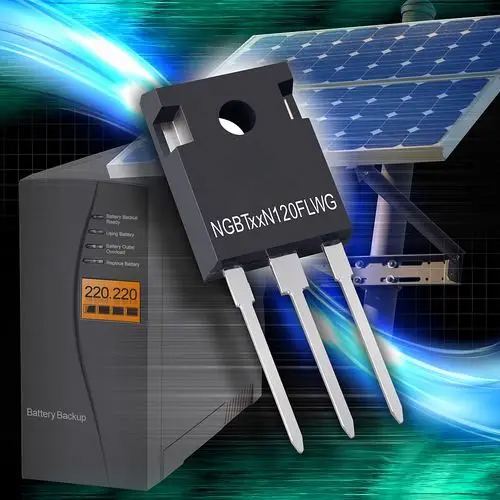
Fast recovery time for high-frequency operation in SMPS
Schottky diodes can handle switching frequencies well over 1 MHz in those switch mode power supply designs because of their incredibly fast recovery times measured in sub nanoseconds. These devices work differently from regular diodes since they rely on majority carrier conduction instead. That means no storage issues with minority carriers and definitely no problems with reverse recovery losses that plague other types. For anyone working on high frequency DC to DC conversion systems aiming for efficiencies pushing past 90%, Schottky diodes become almost indispensable when dealing with switching speeds exceeding 500 kHz in practical applications.
Reducing transition losses in DC-DC converters
The lack of stored charge in the junction reduces transition losses by 42% compared to standard diodes in buck and boost topologies (Ponemon 2023). Designers leverage this advantage in automotive 48V-to-12V systems, where fast switching helps maintain stable output during sudden load changes.
Signal demodulation and detection in RF circuits
In RF communication systems, Schottky diodes perform envelope detection at frequencies exceeding 2.4 GHz, with insertion losses under 0.3 dB. Their low junction capacitance (<0.5 pF) ensures signal integrity in 5G millimeter-wave receivers and radar modules.
Trade-off: High speed vs. increased reverse leakage current
| Parameter | Schottky Diode | PN Junction Diode |
|---|---|---|
| Reverse Leakage | 10–100 µA | 0.1–1 µA |
| Switching Speed | <1 ns | 50–100 ns |
| Typical Applications | SMPS, RF | Line-frequency rectification |
Although reverse leakage is up to 100–100 times higher than in PN diodes, proper thermal design and voltage derating effectively manage this drawback in high-speed applications.
Critical Applications in Power Supply and Energy Systems
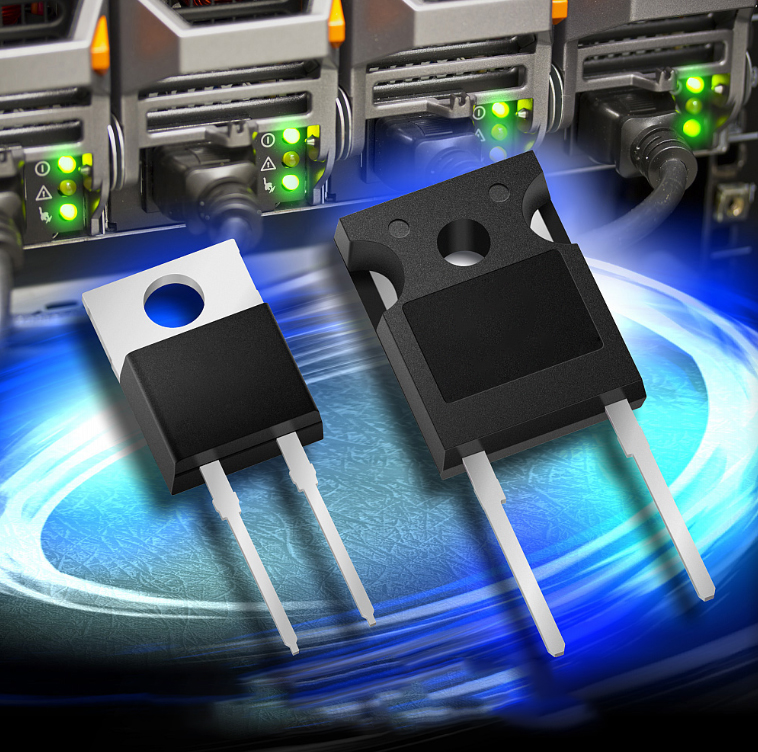
Synchronous Rectification in Switch-Mode Power Supplies (SMPS)
Schottky diodes are widely used in synchronous rectification circuits within SMPS, where their low forward voltage (0.15–0.45V) reduces conduction losses by up to 40% (IEEE Power Electronics Journal 2023). This efficiency gain supports compact, high-power designs such as 200W+ server and telecom adapters without requiring bulky heat sinks.
Voltage Clamping and Reverse Polarity Protection in Power Rails
Engineers employ Schottky diodes for transient suppression and reverse polarity protection in 12–48V DC systems. A single device can clamp voltage transients below 60V⁄s in automotive CAN buses, safeguarding sensitive microcontrollers during load-dump events. Their nanosecond-scale response outperforms many TVS diodes in sub-100V applications.
Solar Charge Controllers and Panel Interconnection Efficiency
In 48V solar arrays, Schottky diodes reduce voltage drop across combiner boxes, recovering 2–3% more energy daily compared to standard bypass diodes. Field tests at Arizona solar farms (NREL 2024) show a 15% reduction in mismatch losses when using 40CPQ060 Schottky devices under partial shading conditions.
Role in Electric and Hybrid Vehicle Power Management
Automotive engineers integrate Schottky diodes into three key EV subsystems:
- Battery management systems (BMS) for cell balancing
- DC-DC converters supplying 12V auxiliary power
- Regenerative braking circuits
A 2024 analysis of leading electric vehicles revealed Schottky-based power distribution units handling continuous currents up to 300A with 98.7% efficiency, contributing to extended driving range through minimized parasitic losses.
Frequently Asked Questions
What are the main advantages of Schottky diodes?
Schottky diodes offer fast switching speeds, low forward voltage drops, and efficient performance in low-voltage, high-speed applications. They are ideal for use in RF circuits, switching power supplies, and portable electronic devices.
Why is Schottky diode preferred over PN junction diode in high-frequency applications?
Schottky diodes have fast recovery times and lack the reverse recovery time issues seen in PN junction diodes. This makes them well-suited for high-frequency applications, as they reduce voltage spikes and electromagnetic interference, ensuring stable operation.
How does a Schottky diode enhance efficiency in portable devices?
Due to their low forward voltage drop, Schottky diodes reduce power consumption, allowing portable and battery-powered devices to last longer between charges without compromising performance.
What are some common applications of Schottky diodes in energy systems?
Schottky diodes are used in synchronous rectification circuits, voltage clamping, reverse polarity protection, and solar panel interconnection to improve efficiency and reduce energy losses.