
 EN
EN
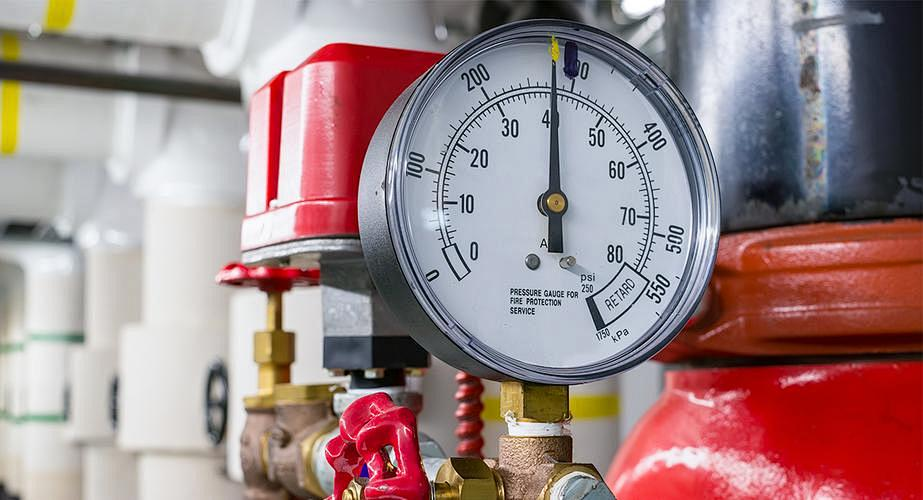
Understanding the Role of Temperature Sensors in Modern Agriculture
Phenomenon: Rising yield volatility due to microclimate variability
Farms today are dealing with climate conditions we haven't seen before. Even tiny temperature differences matter a lot these days. Sometimes just a 2 degree Celsius difference from one field to another next door can cut crop yields anywhere between 15 percent and 30 percent. The problem comes from all sorts of factors like how land is shaped, where winds blow, and how thick plant cover gets. These variations create hidden trouble spots that mess with how evenly crops grow across fields. When farmers don't have detailed temperature data, they end up watering or feeding entire areas without knowing which parts really need attention. That's money down the drain and missed opportunities for better harvests. Putting in place a network of temperature sensors helps spot these local climate differences right away. With this info, farmers can tweak things exactly where needed instead of treating whole fields the same way.
Principle: Thermal thresholds govern enzymatic activity, phenology, and stress response in crops
Crops need specific temperature ranges to grow properly. When temps go over 35 degrees Celsius, plants start struggling with photosynthesis. And if the ground gets too cold, under 10 degrees, those important root enzymes basically shut down. These temperature limits control when things happen in the growing cycle such as when flowers open up or fruits start developing. Farmers know from experience that messing with these natural timing cues through unpredictable weather patterns leads to lower yields or total losses in some cases. Temperature monitoring devices pick up on problems long before anyone can see them happening. They catch strange changes in how much water plants are using, which is often one of the first signs something's wrong. With both soil measurements and observations of what's going on in the plant canopy, growers can take action quickly. Some might turn on misters during hot spells or adjust greenhouse vents to keep conditions stable. All this helps maintain healthy plant metabolism throughout the season. The whole point is moving away from just reacting to problems after they occur toward actually anticipating what plants need before issues arise.
From Data to Decisions: How Temperature Monitoring Enables Precision Agriculture
Trend: Shift from ambient air-only readings to multi-layer thermal profiling (canopy, soil, root zone)
Farms today aren't just sticking with old-school air monitoring anymore. They're moving towards something called layered thermal analysis throughout important parts of the plants. Regular single point air measurements give us only partial pictures and miss those tiny climate differences that really affect how crops grow. The ground temperature matters a lot for roots and nutrients too. When it gets too hot or cold in the soil during seed germination (more than 5 degrees Celsius difference), we often see yield drops between 15 to 30 percent. Looking at the top of the plant canopy tells growers when water problems start happening even before leaves show signs of trouble. Farmers who install these sensor networks all over their fields from underground roots through different soil layers up to the plant canopy itself can spot temperature changes that influence enzyme activity and overall plant growth. With this kind of detailed information, they can take action where needed most, like tweaking irrigation systems to target cooling specific root areas suffering from heat stress at crucial times in the growing season.
Strategy: Sensor fusion architecture integrating temperature sensors with humidity, CO₂, and spectral data for predictive irrigation triggers
What really makes temperature sensors shine is when they work together with humidity monitors, carbon dioxide detectors, and those fancy spectral sensors all connected via the internet of things. These systems look at how different factors interact - think about vapor pressure deficits when humidity meets temperature, or how plants photosynthesize based on CO2 levels and leaf temperatures. Farmers get early warnings when soil gets too hot but their crops are showing signs of stress through changes in chlorophyll content. The smart algorithms then send water exactly where needed before plants start suffering. Real world tests show these setups can cut down water waste anywhere between a quarter to almost half compared to old fashioned timed sprinklers, plus they stop crop losses caused by sudden temperature swings. Every extra piece of data adds another layer of insight, turning simple temperature numbers into valuable farming decisions that help manage fields without constant human oversight.
Wireless Sensor Networks and IoT Integration for Real-Time Farm Management
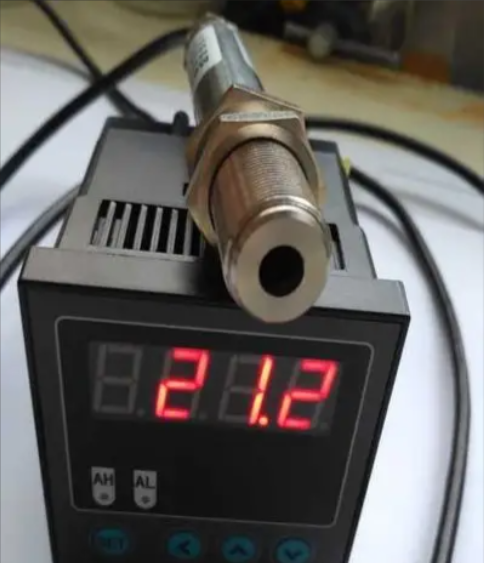
Phenomenon: 68% latency reduction in decision cycles when wireless temperature sensor networks replace manual logging
Temperature sensor networks that work wirelessly are changing how fast farmers can react to problems in their fields because they cut down on all that time spent manually collecting data. The Food and Agriculture Organization reported something interesting back in 2023: farms that installed these kinds of systems saw their decision making process speed up by around two thirds. That matters a lot during those tricky times when frost hits overnight or when crops start suffering from heatwaves. What makes this possible is the constant checking going on behind the scenes. These little sensors keep sending updates straight to farm managers' computers every single minute. Think about it compared to someone walking around with a thermometer taking spot checks here and there. With wireless monitoring, farmers get a complete picture of temperature changes happening across different parts of their land at any given moment. This lets them tweak things like water supply much quicker than waiting for weekly reports, which can literally save plants from dying when conditions suddenly turn bad.
Scalability and connectivity: How IoT platforms unify temperature data across large-scale operations
The IoT architecture for agriculture turns those random temperature measurements into something actually useful by connecting wireless temperature sensors alongside humidity detectors and equipment control systems. Cloud based platforms handle massive amounts of data coming in from all sorts of locations like soil beds, greenhouses, and storage areas, which gets compiled into single dashboards that make sense of everything. Farmers and agronomists can now see when temperatures spike in crop canopies and match that up with their irrigation plans over vast acreages at once. What makes this system work well long term is how it's built. The networks are designed in modules so expanding operations doesn't mean tearing everything down. A farm just adds new sensor nodes where needed without disrupting what already works, and the data stays accurate throughout planting seasons and harvest times alike.
Measuring the Impact: Temperature Control’s Effect on Crop Yield and Plant Health
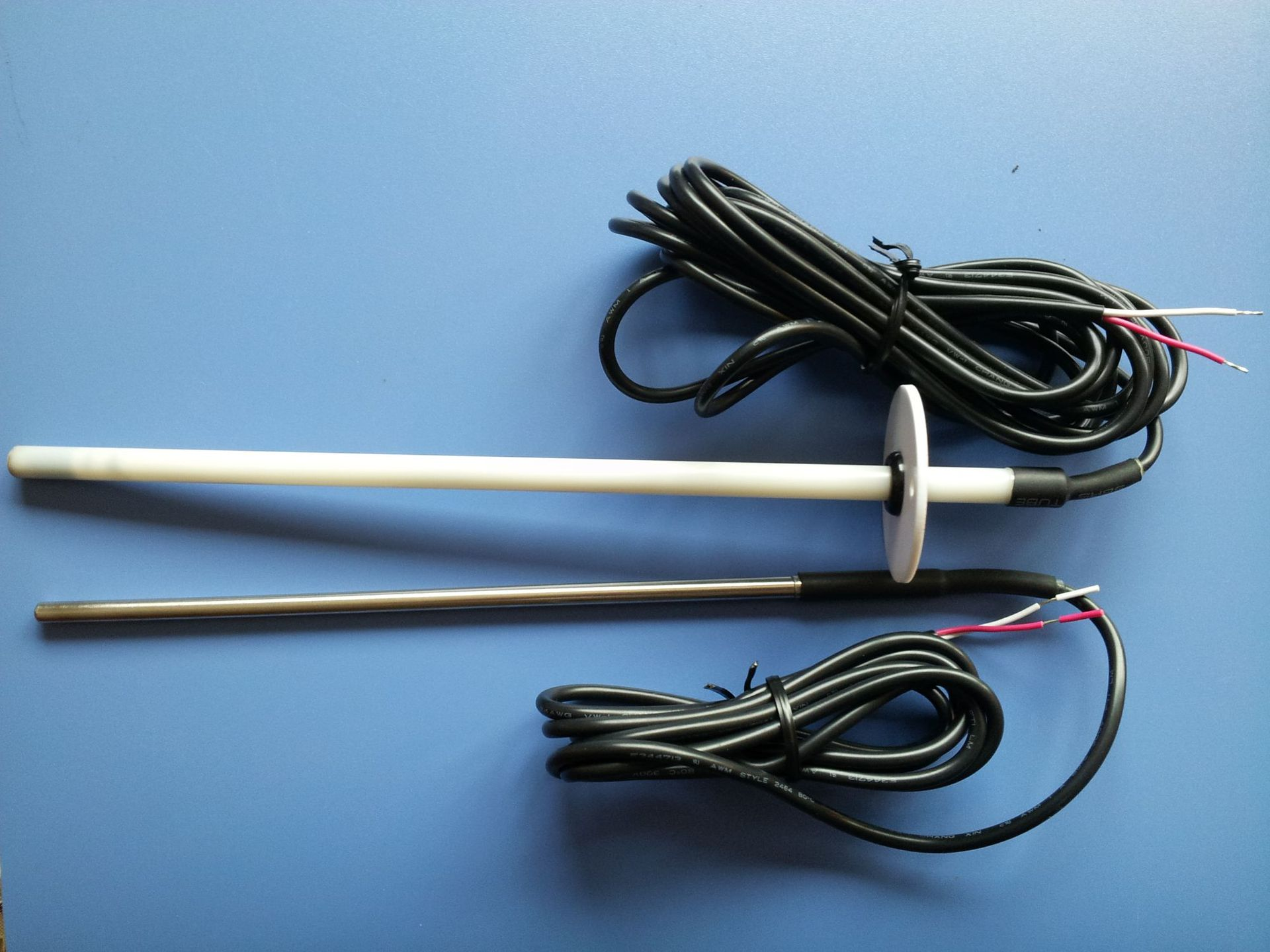
Case Study: Tomato yield increase of 22% in Dutch greenhouses using real-time canopy temperature feedback loops
Greenhouses in the Netherlands saw their tomato harvests go up around 22% after putting in place thermal monitoring systems that keep an eye on the tiny climate conditions within plant canopies. These temperature sensors work like a smart thermostat for crops, automatically adjusting vents and shade cloths whenever leaves get too hot for good photosynthesis. What makes this system so valuable is how it stops plants from suffering heat damage right when they're forming fruits, plus it cuts down on wasted water since farmers don't need to irrigate as much when temperatures are already high enough.
Controversy Analysis: Over-reliance on air temperature vs. critical need for soil temperature monitoring in early-stage root development
Farmers often focus on what's happening in the air when managing their fields, but studies show that what's going on underground matters just as much for those first roots to take hold. Different seeds need different soil temps to sprout properly. Corn won't germinate if the ground stays below about 50 degrees Fahrenheit, whereas beans get stuck if temperatures climb past around 95 F. Relying too heavily on air temperature measurements can lead to problems nobody sees coming. Cold soil beneath warm air might delay germination altogether. Warm spots deeper down could become breeding grounds for harmful fungi. And plants miss out on important nutrients when mycorrhizal relationships form under suboptimal temperatures. That's why many experienced agricultural experts recommend installing soil temperature sensors at various depths in addition to regular weather stations. Getting a complete picture of both above and below ground conditions makes all the difference in successful crop growth.
FAQ
Why are temperature sensors important in agriculture?
Temperature sensors help farmers monitor microclimatic variations and take decisive actions to enhance crop yields and manage resources more efficiently.
How do temperature sensors benefit crop growth?
They provide insights into thermal thresholds affecting enzymatic activities and stress responses, allowing for proactive management of growing conditions.
What are the advantages of using wireless temperature sensors?
Wireless temperature sensors reduce latency in decision cycles, offering real-time updates that improve farm management efficiency.
Why is soil temperature crucial during early-stage root development?
Soil temperature directly influences seed germination and root formation, which are vital for successful crop yields.
Table of Contents
- Understanding the Role of Temperature Sensors in Modern Agriculture
- From Data to Decisions: How Temperature Monitoring Enables Precision Agriculture
- Wireless Sensor Networks and IoT Integration for Real-Time Farm Management
- Measuring the Impact: Temperature Control’s Effect on Crop Yield and Plant Health