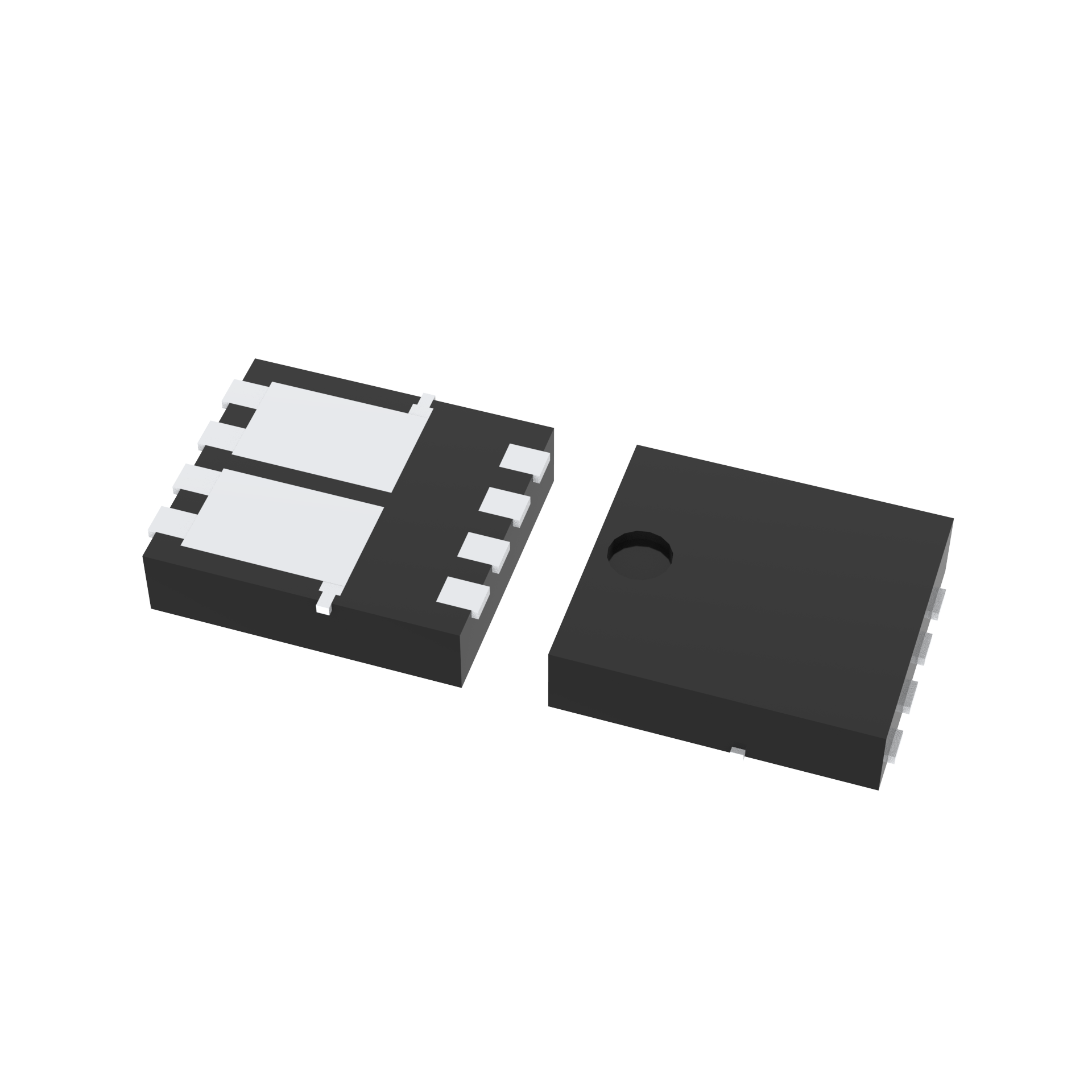
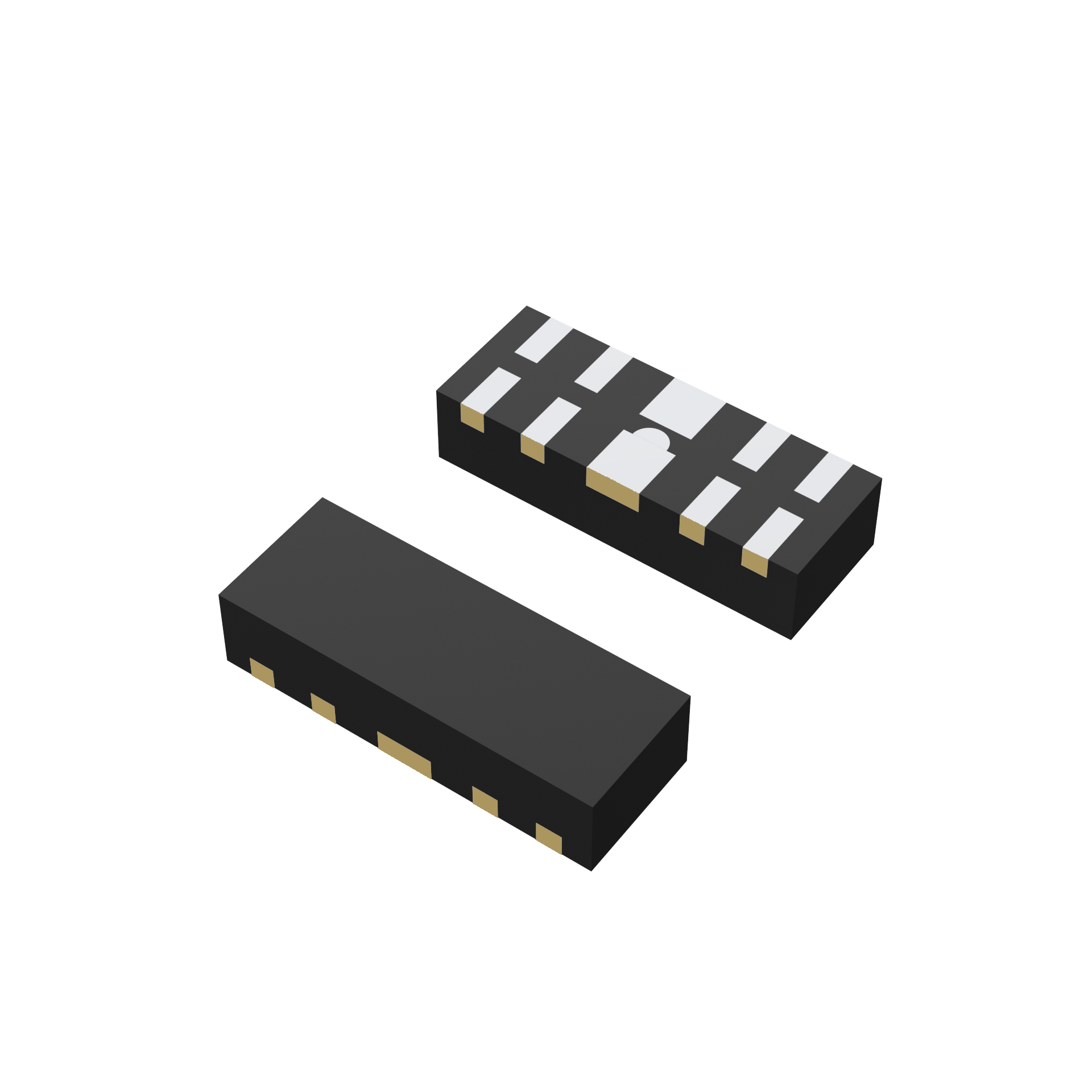
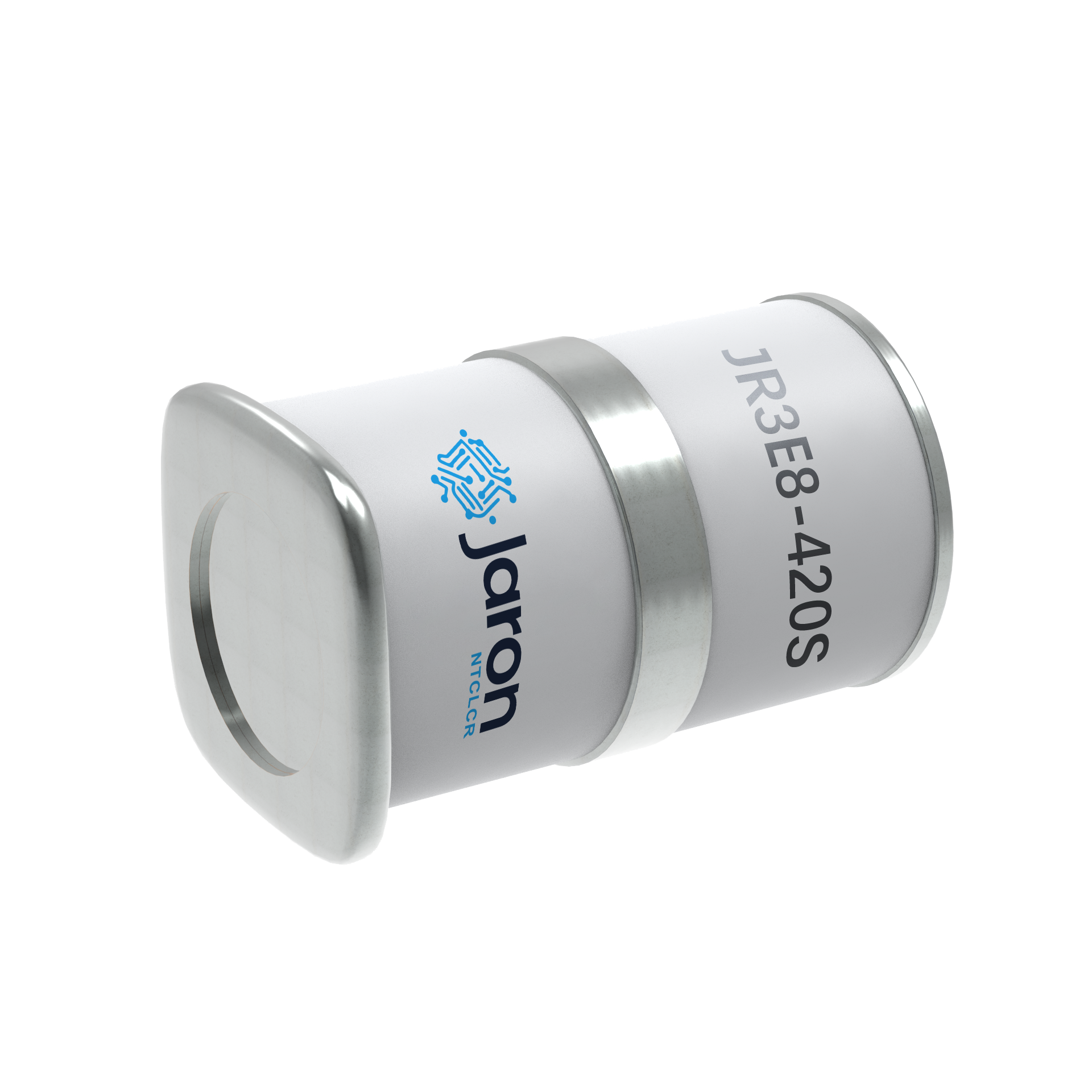
Electrostatic Discharge (ESD) represents a pervasive and instantaneous threat to modern electronics, capable of degrading or permanently destroying sensitive integrated circuits (ICs) in nanoseconds. Implementing a robust ESD protection device is not merely a design recommendation but a critical necessity for product reliability, safety, and compliance. These devices function as vigilant guardians, placed at input/output ports and interface connections, to swiftly divert transient surge currents away from sensitive internal circuitry, thereby clamping the voltage to a safe level.
The selection of an appropriate ESD protection device hinges on a deep understanding of application parameters. Key specifications include the working voltage, standoff voltage, dynamic resistance, and, crucially, the clamping voltage—the voltage at which the device becomes conductive. A lower clamping voltage offers better protection but must be balanced against the normal operating voltage of the line. Another critical factor is capacitance, especially for high-speed data lines like USB 3.0, HDMI, or Ethernet. Excessive capacitance can distort high-frequency signals, leading to data integrity issues. Therefore, selecting a low-capacitance TVS diode array is paramount for interfaces operating above 100 Mbps.
At Jaron, we cater to diverse and demanding application landscapes. In the automotive sector, for instance, ESD protection devices must withstand the harsh electrical environment and wide temperature ranges specified by AEC-Q101. They are deployed in infotainment systems, camera modules, and sensor interfaces to ensure uninterrupted functionality and safety. Consider a scenario where an automotive radar sensor's high-speed data line is exposed to ESD from human contact during maintenance. A properly selected, automotive-grade TVS array can absorb this transient, preventing a costly sensor failure and potential system malfunction.
Similarly, in industrial automation, programmable logic controllers (PLCs), motor drives, and communication modules (RS-485, CAN bus) are installed in electrically noisy environments. Here, ESD protection devices often need to handle not only ESD but also other transients like Electrical Fast Transients (EFT). Industrial-grade protectors with high surge current ratings (Ipp) provide a robust defense, ensuring continuous operation of manufacturing lines and critical control systems, minimizing downtime and maintenance costs.
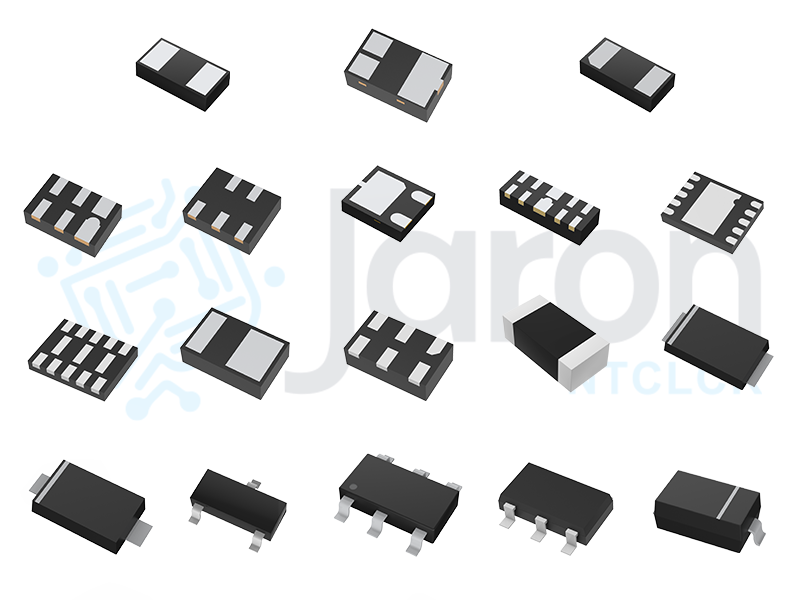
For consumer and communication electronics, the challenge lies in protecting increasingly compact and high-speed interfaces while minimizing board space. Ultra-low capacitance ESD protection devices in miniature packages like DFN or WCSP are essential for safeguarding the integrity of signals in smartphones, tablets, and IoT devices without compromising performance.
Navigating the vast landscape of ESD protection devices—from uni-directional and bi-directional TVS diodes to multi-channel arrays tailored for specific interface standards—requires expertise. The optimal device varies per circuit and threat model. For detailed pricing, specific part number recommendations, and sample requests for your upcoming design in automotive, industrial, or communications, please contact our technical sales team. We leverage our access to top-tier brands and supply chain expertise to provide you with a reliable and cost-effective ESD protection solution tailored to your project's unique requirements.

07
Jul
07
Jul
07
Jul
07
Jul

 EN
EN