Global ESD Protection Solutions Supplier | High-Reliability Components for Automotive & Industrial

All Categories

Your Global Partner for Comprehensive ESD Protection Solutions

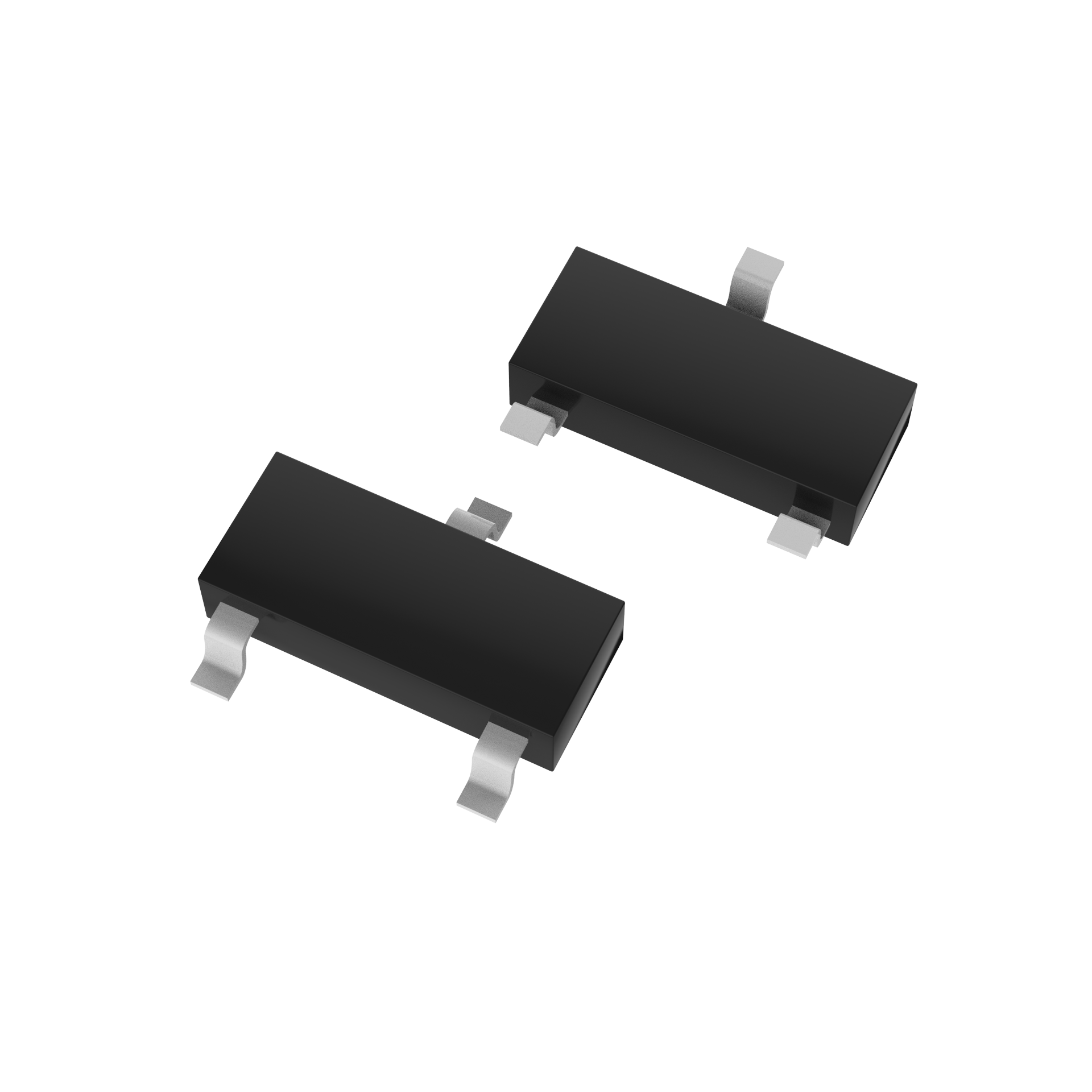
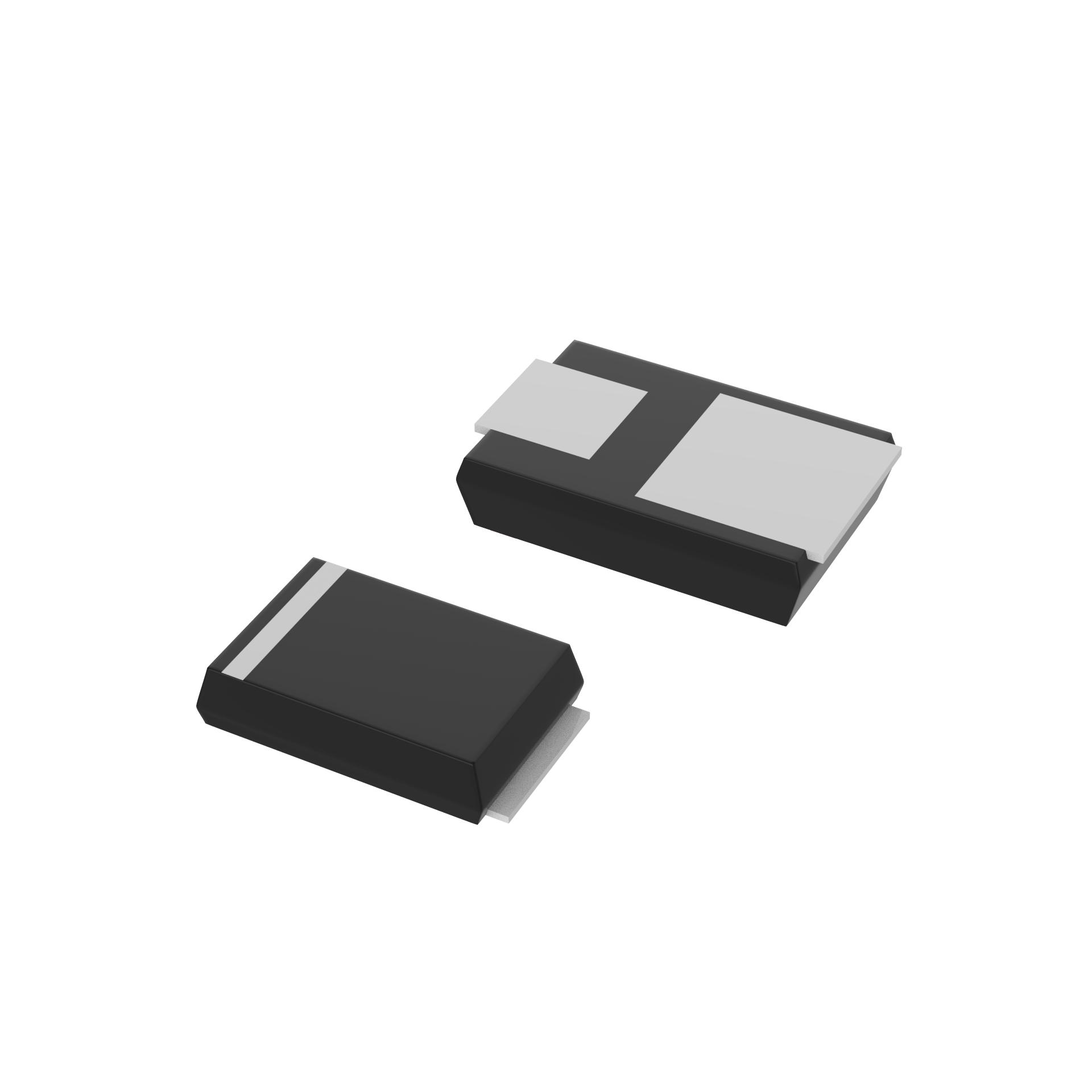
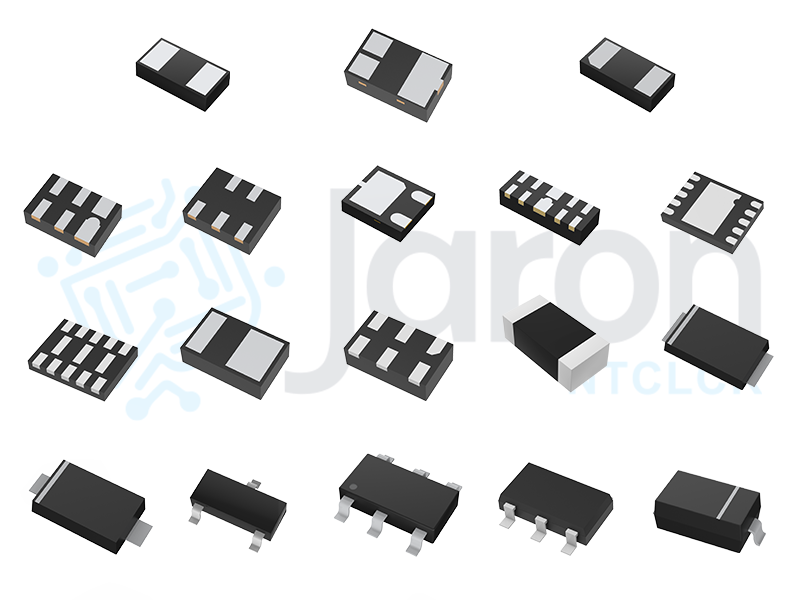
At Jaron, we understand that effective ESD protection is fundamental to electronic reliability. As a Shenzhen-based international distributor with deep global sourcing channels, I provide essential components that safeguard sensitive circuits from the damaging effects of electrostatic discharge. Our portfolio focuses on robust protection devices like Transient Voltage Suppression (TVS) diodes, arrays, and suppressors from leading manufacturers, curated for demanding applications. We specialize in automotive-grade and industrial-grade components that meet stringent standards such as AEC-Q101, ensuring your products withstand harsh environments. From protecting vehicle CAN bus networks and infotainment systems to securing factory automation controllers and communication modules, our ESD protection solutions help prevent costly failures and ensure long-term performance.
Get A Quote

Advantages of the product

Technical Expertise in High-Reliability Application Design

Choosing the right ESD protection involves more than just a part number; it requires understanding clamping voltage, capacitance, and compliance standards like IEC 61000-4-2 or ISO 16750. We provide technical partnership, leveraging our knowledge to help you select components that protect without compromising signal integrity, especially for high-speed interfaces or harsh automotive environments.

Supply Chain Assurance for Critical Components

We mitigate risk in your production line. For ESD protection devices that are often critical yet subject to market fluctuations, our strategy combines strategic in-stock inventory with powerful global sourcing capabilities. This dual approach ensures a consistent supply of authentic, high-quality components, minimizing disruptions to your automotive, industrial, or military projects.

Related products

Electrostatic Discharge (ESD) represents a constant and invisible threat in the lifecycle of modern electronics. It is the rapid, spontaneous transfer of charge between two objects at different potentials. In the context of electronic design and manufacturing, ESD protection is not a single action but a comprehensive strategy encompassing two critical levels: component-level and system-level protection. Component-level protection focuses on safeguarding individual integrated circuits (ICs) during handling, assembly, and testing, typically measured by standards like the Human Body Model (HBM). System-level protection, governed by standards such as IEC 61000-4-2, addresses discharges that occur to a finished product during end-user operation. A critical insight is that a component passing internal tests may still fail at the system level, making a holistic ESD protection plan essential.

This is where discrete ESD protection devices become indispensable. They act as dedicated guardians at system interfaces. When an ESD event occurs, these devices, such as TVS diodes, activate within nanoseconds to create a low-impedance path, shunting the high-current transient safely to ground and clamping the voltage seen by the sensitive IC to a safe level. Selecting the correct device requires balancing key parameters: the Stand-off Voltage (VRWM) must be above the normal operating voltage; the Clamping Voltage must be below the IC's breakdown rating; and for data lines, the parasitic Capacitance must be low enough to avoid distorting high-speed signals.

The automotive industry provides a prime example of demanding ESD protection requirements. Modern vehicles, especially electric vehicles (EVs) with advanced driver-assistance systems (ADAS), are dense networks of electronic control units (ECUs). Communication buses like the CAN (Controller Area Network) are vital yet vulnerable. Here, ESD protection must comply with automotive-specific standards like ISO 16750-2, which defines rigorous tests for overvoltage, reverse voltage, and short circuits. For a 12V vehicle system, a ESD protection device on a CAN bus line must have a VRWM of at least 27V, not the 5V of the signal, to survive jump-start conditions. Furthermore, bidirectional TVS diodes are mandated to handle potential reverse voltage scenarios, preventing device failure during maintenance. Using consumer-grade components in such applications invites latent failures.

Similarly, in industrial automation, PLCs, motor drives, and IoT sensors operate in electrically noisy environments. ESD protection for RS-485, Ethernet, or 4-20mA loops must be robust against not only ESD but also other electrical transients. The cost of failure here is measured in production downtime. Furthermore, the global push for electronics miniaturization increases ESD protection complexity, as smaller geometries in ICs make them more susceptible to damage. The financial imperative is clear: ineffective ESD protection can lead to field returns, warranty claims, and brand damage, with industry estimates historically highlighting billions in annual losses.

Implementing a successful ESD protection strategy is therefore a critical design decision. It requires components that are not only electrically suitable but also sourced reliably for mass production. For expert guidance in selecting the right TVS diodes, arrays, or suppressors for your automotive, industrial, or communications project—and for competitive quotations on devices that meet AEC-Q101, IEC, and other relevant standards—please contact our technical sales team. We combine component expertise with a resilient global supply chain to deliver your ESD protection solutions.

customer evaluation

What's the difference between on-chip ESD protection and external TVS diodes?

Both are crucial but serve different roles. On-chip protection is built into the IC by the semiconductor manufacturer to safeguard it during assembly and handling (component-level). An external TVS diode provides system-level protection, offering a much higher level of robustness against larger ESD strikes the end product might encounter, such as a user touching a port. For robust end-product design, external ESD protection devices are typically required to supplement on-chip circuits and meet international system-level compliance standards.
Automotive selection is governed by standards like ISO 16750. First, the Working Voltage (VRWM) must be selected for the vehicle's electrical system: 27V minimum for 12V systems and 36V for 24V systems, not the 5V CAN signal level. Second, the device must be bidirectional to safely handle test conditions like reverse voltage polarity. Third, it must be AEC-Q101 qualified for automotive temperature and reliability requirements. We provide components from trusted manufacturers that meet these exacting specifications.

Related Articles

Southeast Asia Emerges as a Strategic Hub for Electronic Components Sourcing

07

Jul

Southeast Asia Emerges as a Strategic Hub for Electronic Components Sourcing

In 2024, Southeast Asia’s electronic components exports surpassed USD 30 billion. Countries like Vietnam, Thailand, and Malaysia attract OEMs with low labor costs and strong local supply chains. Exports of NTC thermistors, temperature sensors, diodes, and ICs are driving regional growth.
View More
Southeast Asia EV Market Outlook 2024

07

Jul

Southeast Asia EV Market Outlook 2024

In 2024, Southeast Asia’s EV market grows to 13% penetration, with Chinese brands rising. Jaron offers NTC thermistors, MF72 inrush limiters, and automotive-grade components for batteries, motors, chargers, and BMS—empowering e-mobility across the region.
View More
Focus on Varistors for Surge Protection

02

Jul

Focus on Varistors for Surge Protection

Buy high-quality MOV varistors like 10D471K and 14D681K for AC surge protection. Fast response, high energy absorption, and factory direct pricing.
View More
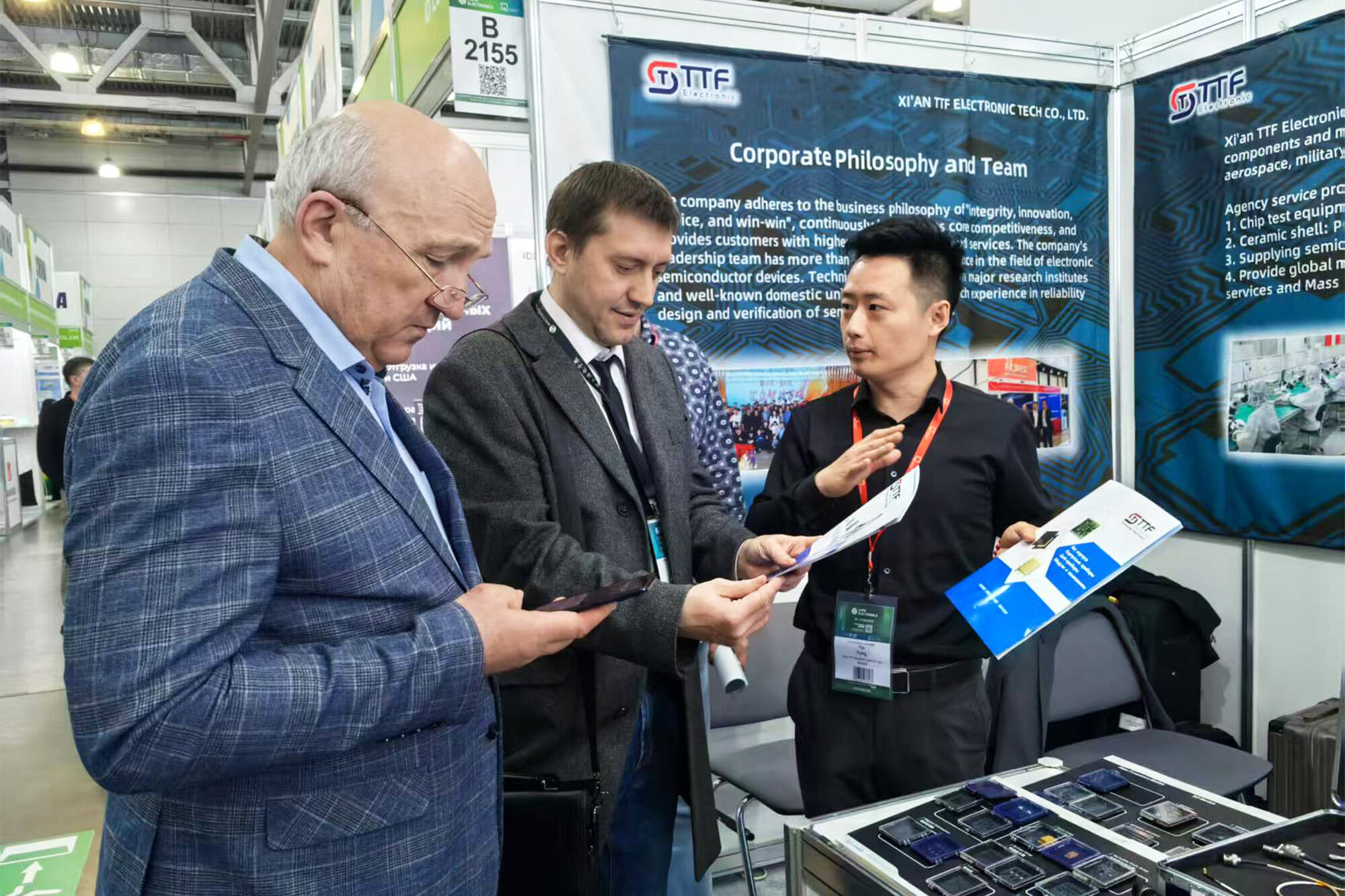
Jaron NTCLCR Participates in ExpoElectronica 2025

28

Oct

Jaron NTCLCR Participates in ExpoElectronica 2025

View More

customer evaluation

cindy

"Sourcing AEC-Q101 qualified TVS diodes for our new generation of engine control units was critical. Jaron provided components that precisely met the ISO 16750 voltage specifications for our 12V system. The technical data was clear, and the supply was consistent across our pilot and initial production runs. Their understanding of automotive requirements made them a valuable partner."

John

"Our outdoor industrial sensors were experiencing unexplained resets. Jaron's team suggested that our existing port protection was insufficient for system-level ESD and recommended a specific series of industrial-grade TVS arrays with a lower clamping voltage. After implementation, the intermittent failures disappeared completely, validating their technical recommendation and improving our product's field reliability."

Get a Free Quote

Our representative will contact you soon.
Email
Mobile/Whatsapp
Name
Company Name
Message
0/1000
Focus on High-Reliability Sectors

Focus on High-Reliability Sectors

We specialize in ESD protection for the most demanding applications. Our portfolio emphasizes automotive-grade (AEC-Q101) and industrial-grade components, ensuring the solutions we provide are built for longevity and performance under stress.
Global Sourcing, Local Inventory

Global Sourcing, Local Inventory

We bridge global supply and local demand. Leverage our extensive international sourcing network to find specialized components, supported by strategic in-stock inventory for critical items, ensuring you get the parts you need without unnecessary delay.
From Specification to Delivery

From Specification to Delivery

We support your entire procurement journey. From initial technical selection based on application standards to flexible USD payment options and reliable logistics, we provide an integrated solution. Contact us today to discuss your specific ESD protection requirements.