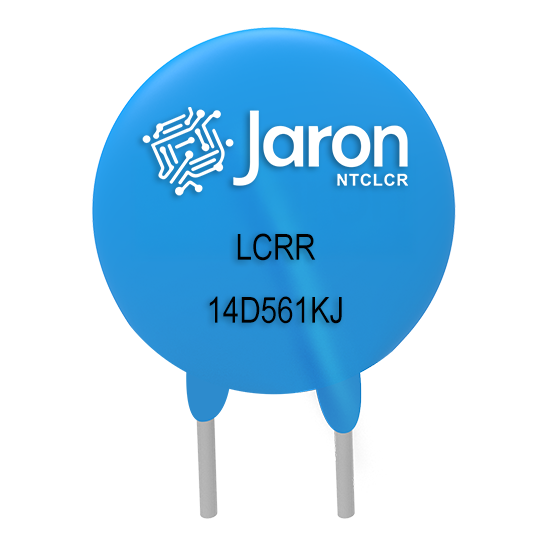
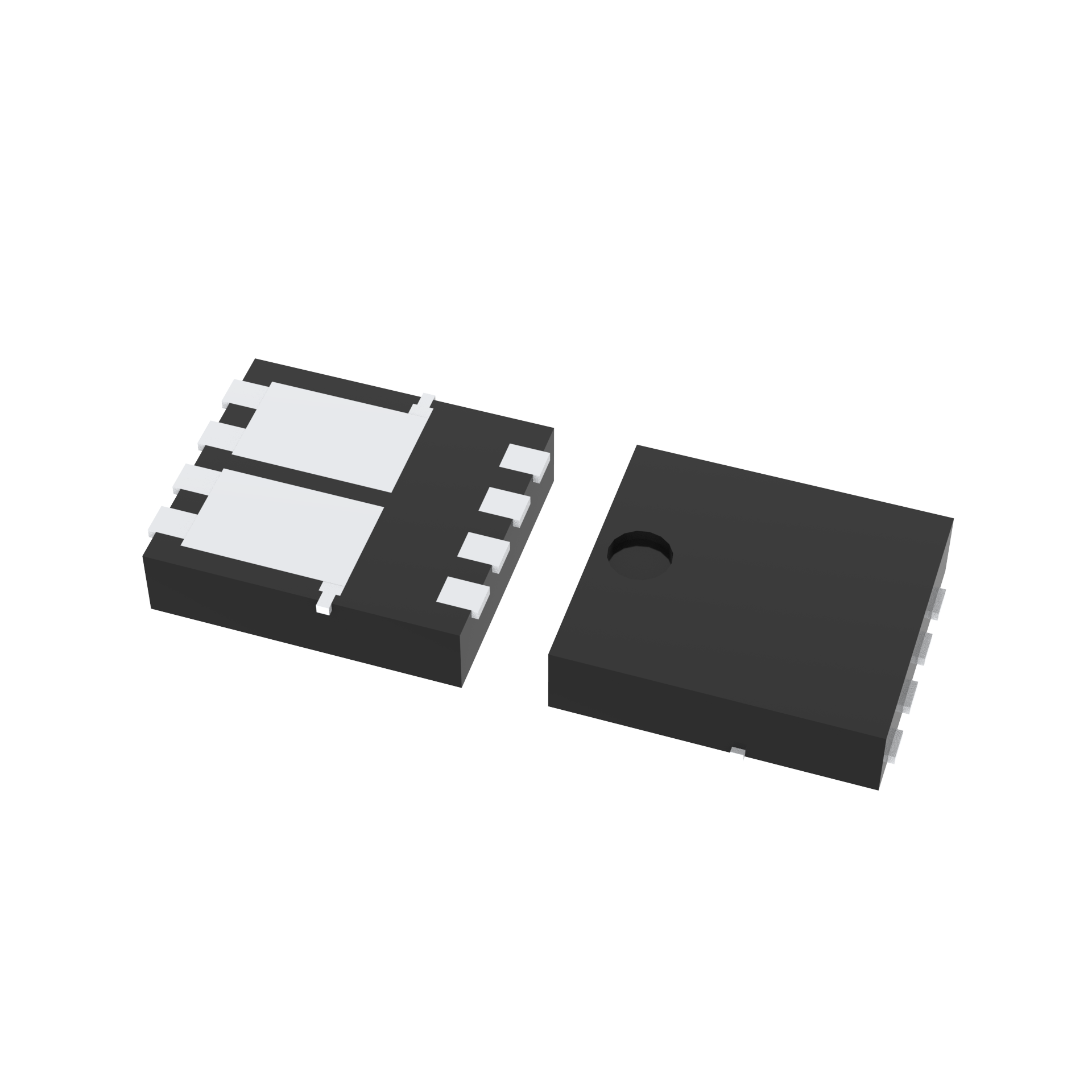
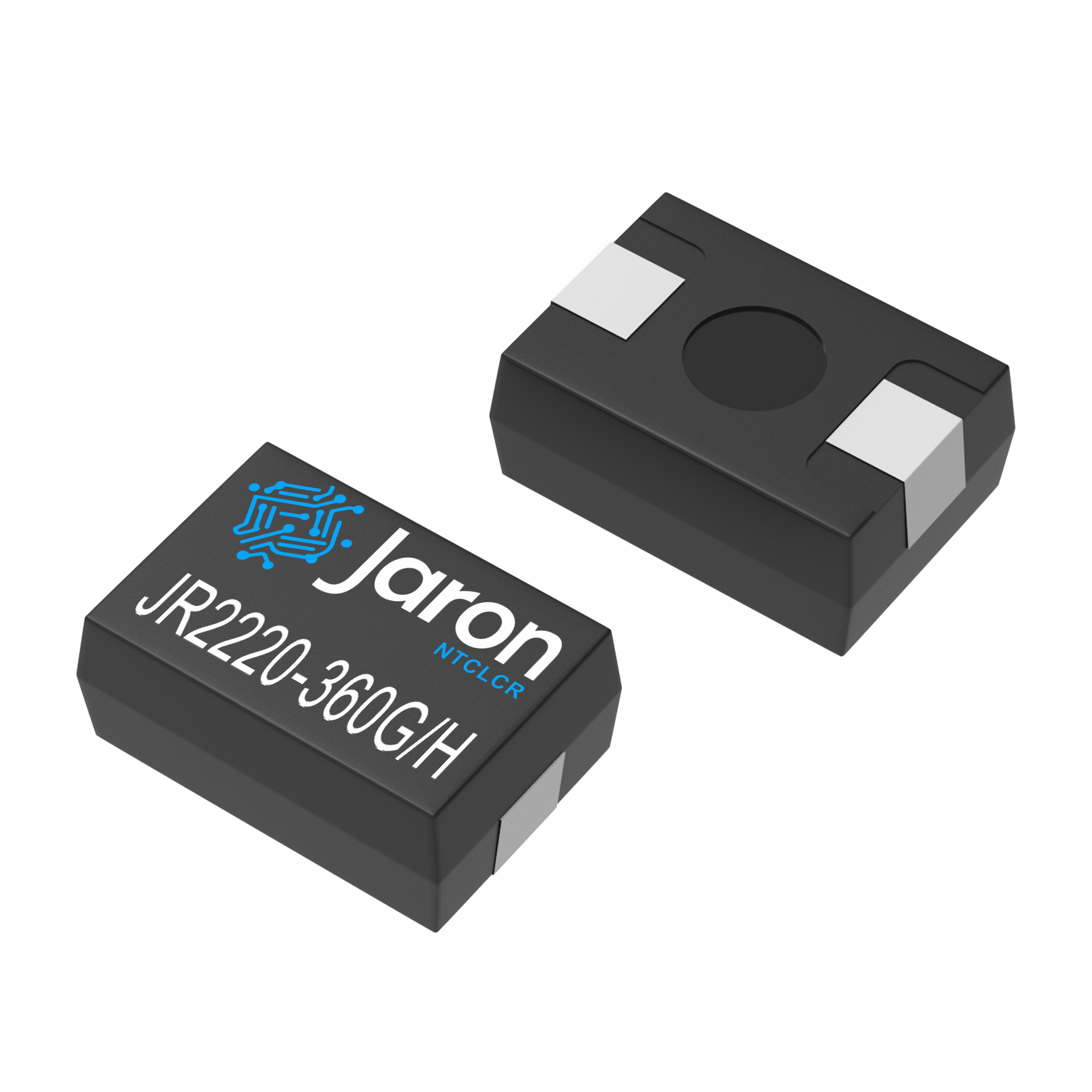
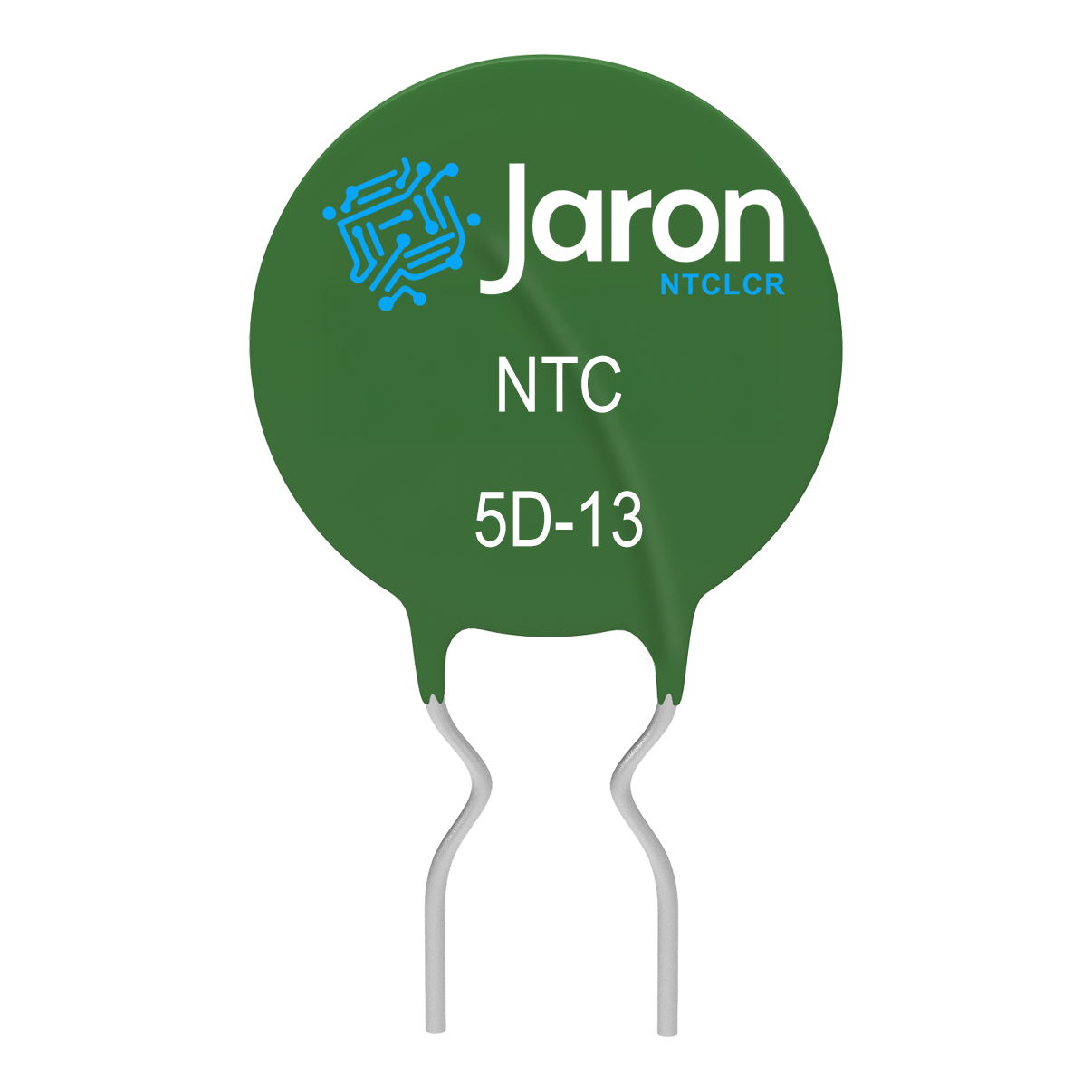
The ESD suppressor stands as a dedicated and critical component in the hierarchy of electronic circuit protection, engineered specifically to mitigate the threat of electrostatic discharge (ESD). Unlike broad-spectrum surge protectors, a modern ESD suppressor is designed to react with extreme speed—typically in picoseconds to nanoseconds—to the fast-rising edge of an ESD event, which can be modeled by the IEC 61000-4-2 standard. Its primary function is to present a very high impedance under normal operating conditions, becoming a low-impedance path when the transient voltage exceeds its triggering threshold, thereby shunting the dangerous current safely to ground and clamping the residual voltage to a level safe for downstream integrated circuits.
The technological evolution of the ESD suppressor has led to specialized variants optimized for different challenges. Silicon-based TVS (Transient Voltage Suppression) diode arrays are prevalent for their fast response and precise clamping. For protecting multiple data lines in a compact footprint, multi-channel TVS arrays are essential. A key advancement is the development of ESD suppressor devices with intentionally low parasitic capacitance, often below 0.5 pF and even as low as 0.1 pF. This is non-negotiable for high-speed differential pairs like USB 3.2, DisplayPort, or Gigabit Ethernet, where excessive capacitance would distort signal integrity and cause bit errors. Conversely, for lower-speed analog lines or power rails, capacitance is less critical than the suppressor's energy absorption capability (measured in joules) and its peak pulse current (Ipp) rating.
In automotive electronics, the role of the ESD suppressor is governed by stringent standards. Components must be AEC-Q101 qualified to endure temperature extremes from -40°C to +125°C or higher. Consider the protection of a vehicle's touchscreen display or a keyless entry module. These human-machine interfaces are frequent points of ESD exposure. An ESD suppressor placed on each data and control line entering the module must withstand system-level ESD tests per ISO 10605 (often requiring ±15kV air/±8kV contact discharge) while adding negligible signal distortion. Similarly, protecting the Controller Area Network (CAN) or Local Interconnect Network (LIN) buses requires ESD suppressor devices with a working voltage suitable for the vehicle's electrical system (e.g., 27V for 12V systems) to survive load dump events, making component selection a precise science.
For industrial automation equipment such as programmable logic controllers (PLCs), motor drives, and remote I/O modules, the ESD suppressor must often defend against a broader spectrum of electrical noise, including Electrical Fast Transients (EFT/Burst). Protecting the RS-485 communication port of a factory-floor sensor network, for instance, may require an ESD suppressor with a high Ipp rating to handle coupled surges from nearby motor starts, in addition to high ESD immunity. The financial imperative is clear: a single unprotected port can lead to the failure of an entire network node, resulting in costly production line downtime.
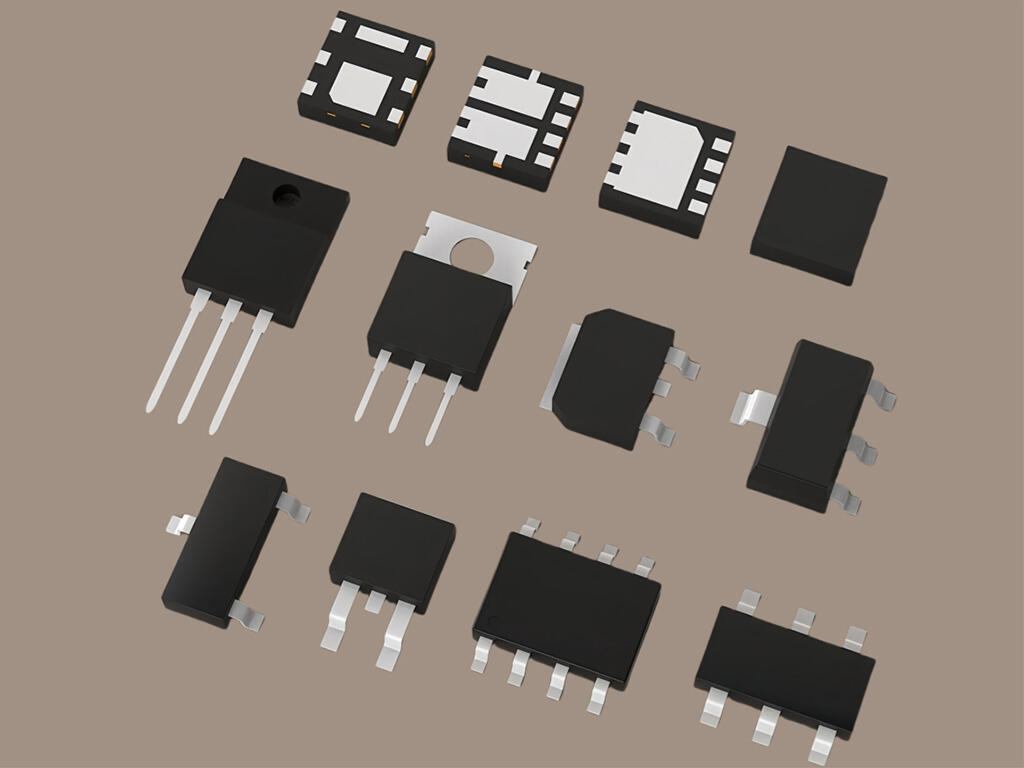
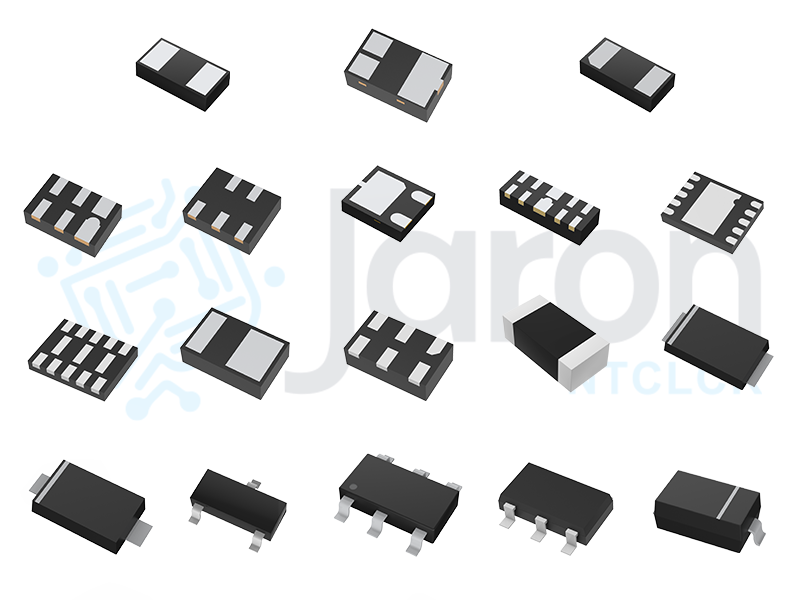
The miniaturization of electronics further complicates ESD suppressor selection, as board space is at a premium. This has driven the development of ultra-small package formats like DFN, WCSP, and multi-channel arrays that protect an entire connector in one device. Implementing an effective protection strategy requires navigating these technical trade-offs and supply chain realities. For expert assistance in selecting the correct ESD suppressor based on your operating voltage, signal speed, compliance standards, and environmental requirements—and to obtain a competitive quotation for your specific automotive, industrial, or consumer application—please contact our technical sales team. We provide component solutions backed by our global sourcing network.

 EN
EN