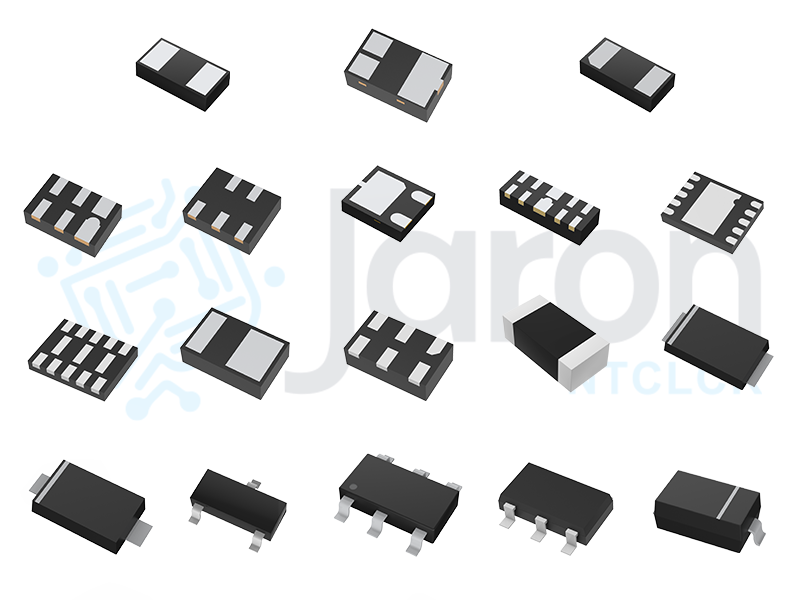
Electrostatic Discharge Protection is a fundamental discipline in electronic design, safeguarding circuits from the sudden, high-current transfer of static electricity. This invisible threat, which can emanate from human contact or environmental factors, delivers transient voltages that frequently exceed several kilovolts, capable of instantaneously damaging oxide layers, metallization, and PN junctions within semiconductors. The consequence ranges from immediate catastrophic failure to latent degradation that shortens product lifespan in the field. Therefore, implementing a systematic Electrostatic Discharge Protection strategy is a non-negotiable aspect of product development, directly influencing reliability, warranty costs, and brand reputation.
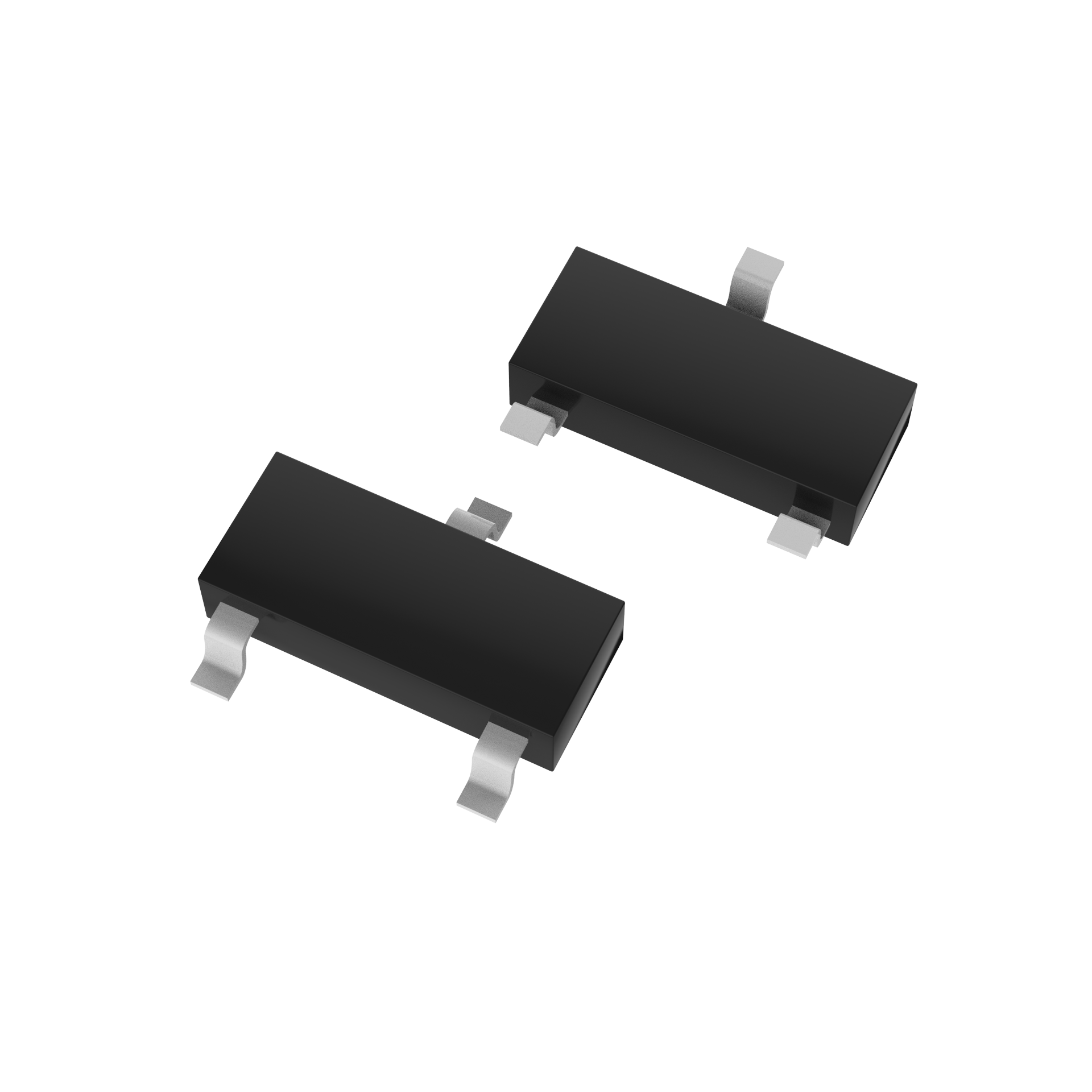
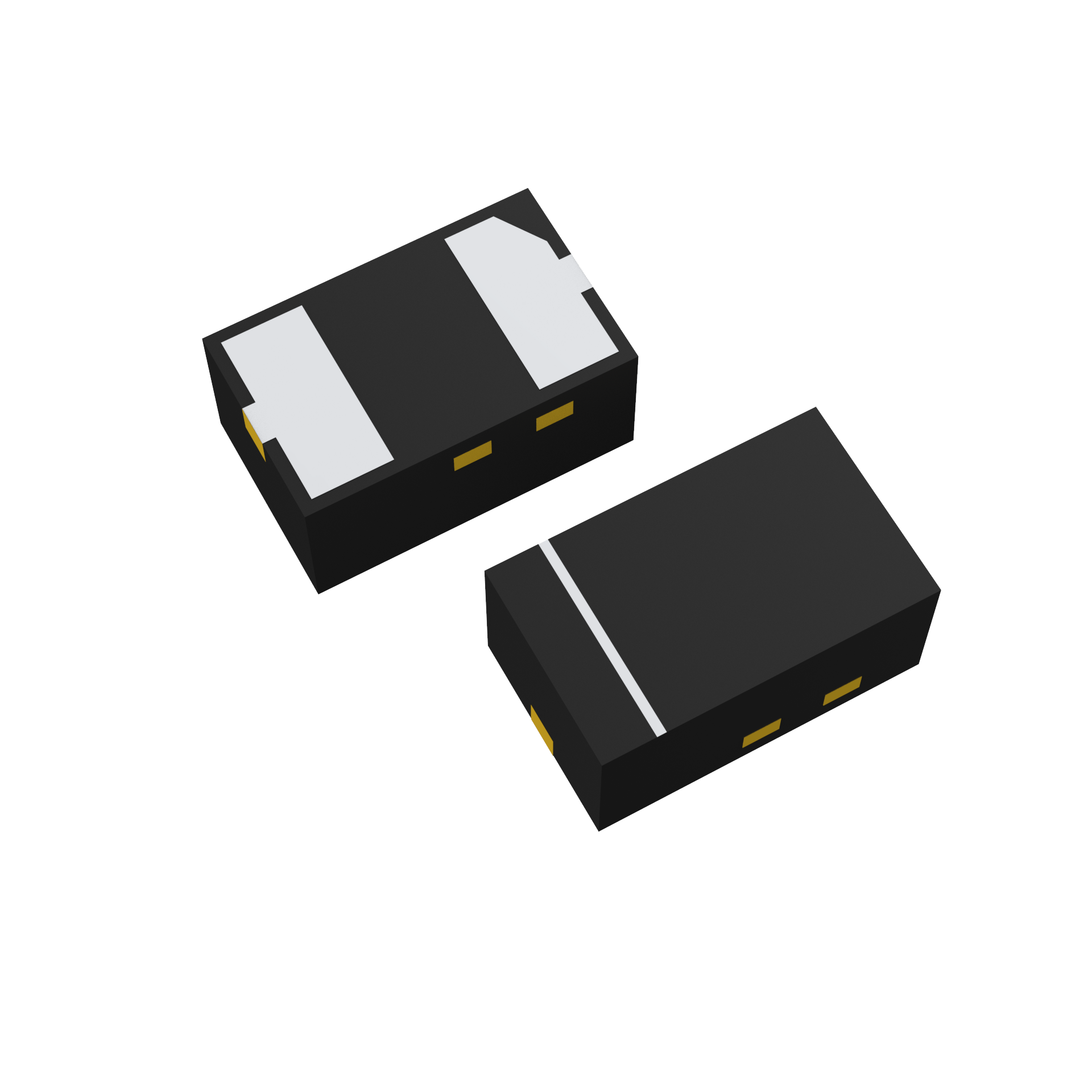
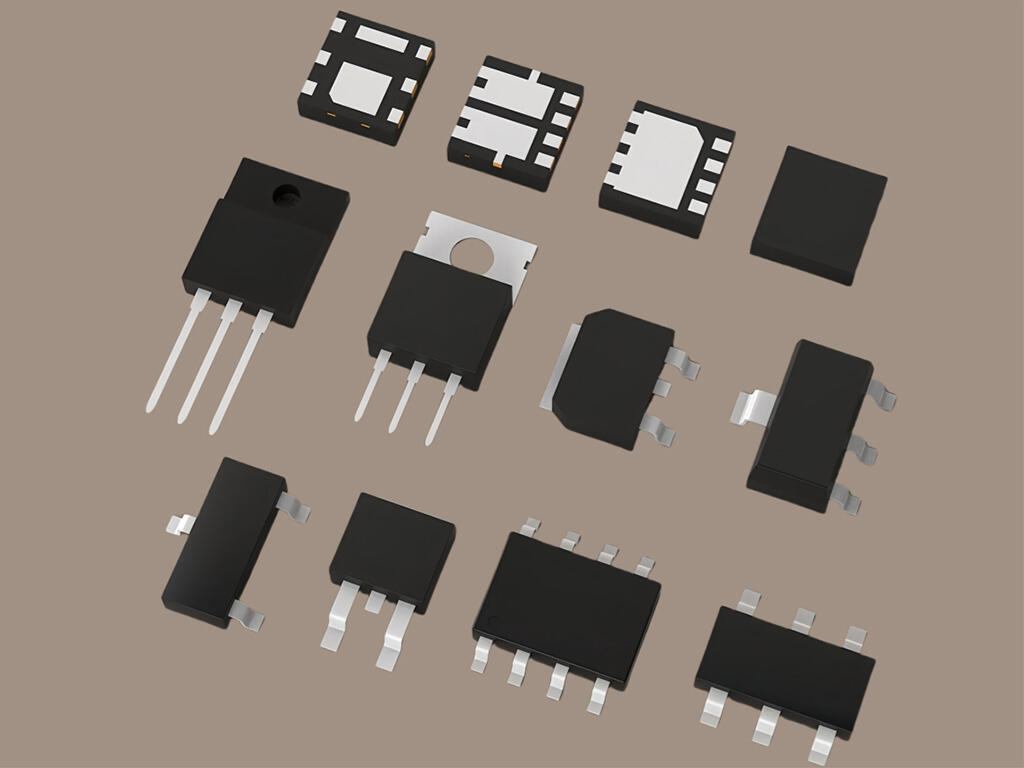
A holistic Electrostatic Discharge Protection approach involves both component-level and system-level strategies. At the component level, protection devices are strategically placed at all external interfaces—such as power ports, data lines, buttons, and connectors—where energy can couple into the system. The most common devices include Transient Voltage Suppression (TVS) diodes, which offer fast clamping; multilayer varistors (MLVs); and specialized polymer-based suppressors. The selection criteria are multifaceted. The protection device’s clamping voltage must be lower than the withstand voltage of the protected IC but higher than the circuit's normal operating voltage. Its response time must be faster than the rise time of an ESD event (typically sub-nanosecond). For data lines, parasitic capacitance is a dominant concern; a protection device with high capacitance can distort high-speed signals, making low-capacitance TVS arrays essential for interfaces like HDMI 2.1, USB4, or Gigabit Ethernet.
The application environment dictates the rigor of the Electrostatic Discharge Protection scheme. In automotive electronics, systems are exposed to a unique combination of threats: human contact during assembly/service, coupled electrical noise from motors and solenoids, and demanding temperature cycles. Electrostatic Discharge Protection components here must be AEC-Q101 qualified. For example, a touchscreen display module requires protection on its capacitive touch sensors and LVDS data lines. A failure here could disable the central control interface. By integrating bi-directional TVS diodes with low clamping voltages on these lines, the module can survive direct ESD strikes per ISO 10605, ensuring driver safety and comfort system reliability.
In industrial automation, PLCs, motor drives, and sensor nodes operate in electrically noisy environments with long cable runs that act as antennas for transients. Electrostatic Discharge Protection for RS-485, CAN, or 4-20mA loops often requires devices that can withstand not only ESD but also broader electrical fast transient (EFT) bursts per IEC 61000-4-4. Here, industrial-grade TVS diodes or varistors with higher energy absorption ratings (Joules) are selected. Protecting the communication bus of a distributed control system prevents erroneous signals that could trigger unplanned machine stoppages, minimizing costly production downtime.
Designing effective Electrostatic Discharge Protection requires careful board layout as well. Protection devices must be placed immediately adjacent to the entry point, with short, wide traces to the connector and a low-inductance path to ground. A poorly placed protector, even if correctly specified, can be rendered ineffective by parasitic inductance. Navigating these technical complexities—from device selection and qualification standards to layout optimization—is where expert guidance adds immense value. To discuss your specific application challenges, obtain detailed specifications for automotive or industrial-grade protection components, or request a quotation for your bill of materials, please contact our technical sales team. We provide tailored Electrostatic Discharge Protection solutions by leveraging our curated network of top-tier manufacturers and supply chain expertise.

 EN
EN