
 EN
EN
Endüstriyel Güvenilirlik İçin Temel NTC Termistör Seçim Kriterleri
Gerekli Sıcaklık Aralığı ve Çevresel Dayanıklılık
Endüstriyel NTC (Negatif Sıcaklık Katsayılı) termistörlerin doğru şekilde çalışabilmesi için hem termal hem de çevresel açıdan oldukça sert koşullara dayanmaları gerekir. Sensör seçerken, uygulamanın aslında ihtiyaç duyduğu değerden yaklaşık %20 daha yüksek derecelendirilmiş cihazları tercih etmek akıllıca bir yaklaşımdır; çünkü tipik teknik özellikler genellikle yaklaşık eksi 50 °C’den başlayarak 150 °C’ye kadar uzanır. Farklı ortamlar bu cihazlara farklı zorluklar sunar. Gıda işleme tesisleri gibi ortamlarda nem büyük bir sorun haline gelir; burada epoksi kaplamalar, maliyeti fazla artırmadan su hasarına karşı makul bir koruma sağlar. Ancak rafineriler ve kimya tesisleri tamamen farklı bir hikâye anlatır: burada agresif maddelerden kaynaklanan korozyonu ve yüksek basıncı diğer malzemelere kıyasla daha iyi dayanabilen paslanmaz çelik probular gereklidir. Yanıt hızı da önemlidir. Küre tipi termistörler, ondalık saniyenin kesirleri içinde neredeyse anında tepki verdiğinden, hızlı süreçler için idealdir. Tamamen kaplanmış versiyonlar ise okumalarını ayarlama süresi daha uzun olabilir; bu süre, cihazın ağırlığına ve ısı iletim yeteneğine bağlı olarak saniyelerce hatta dakikalarca sürebilir. Ayrıca güvenlik düzenlemelerini unutmayın. Patlayıcı gazlar içeren ortamlarda kullanılan herhangi bir sistem, çalışanların güvenliğini sağlamak ve yerel yasalara uyum sağlamak amacıyla mutlaka uygun ATEX veya IECEx sertifikasyonuna sahip olmalıdır.
Doğruluk, Uzun Vadeli Kararlılık ve Isıl Döngü Altında Kayma
Endüstriyel sınıf performans, aslında iki şeye bağlıdır: hassasiyet ve uzun vadeli kararlılık. En iyi NTC termistörler, on yıl veya daha uzun bir süre boyunca doğruluklarını yaklaşık ±0,1 °C içinde koruyabilir; ancak bu yalnızca termal çevrimlere karşı aşınmaya dayanacak şekilde üretilmeleri durumunda gerçekleşir. Bunun nedeni, tekrarlayan genleşmeler ve büzülmelerin hem sensör malzemesinin kendisinde hem de farklı parçaların birleşim noktalarında mekanik yorulmaya yol açmasıdır. Bu yorulma, zamanla direnç kaymasını hızlandırır. Örneğin cam kaplamalı termistörlere bakalım: Yaklaşık 10.000 sıcaklık değişiminden sonra çoğu, en fazla ±0,1 °C kayma gösterir. Ancak epoksi kaplamalı versiyonlar? Burada nem içeri girdiği ve plastik malzemenin yaşlanması nedeniyle genellikle ±0,5 °C civarında kayma gösterir. Bu bağlamda akıllı seçim büyük önem taşır. Kararlılaştırılmış nikel-manganez oksitleri ile birleştirilmiş seramik sensörleri tercih edin. Ayrıca gerçek ölçüm bölgesinden mekanik gerilimi uzak tutun; örneğin ana gövdenin hemen yanındaki bölgelerde bükülmelerden kaçının. Yılda en az bir kez, bilinen referans noktalarına karşı düzenli kalibrasyon kontrolleri yapmayı da unutmayın. İlaç sektöründe sterilizatörler veya biyoreaktörler gibi arıza kabul edilemez uygulamalarda, bu sensörlerin kullanım öncesi gerçek işletme koşullarında test edilmesi mutlaka gereklidir.
Endüstriyel Sınıf NTC Termistör Paketleme ve Mekanik Dayanıklılık
Cam, Epoksi ve Paslanmaz Çelik Prob Kapsüllemelerinin Karşılaştırılması
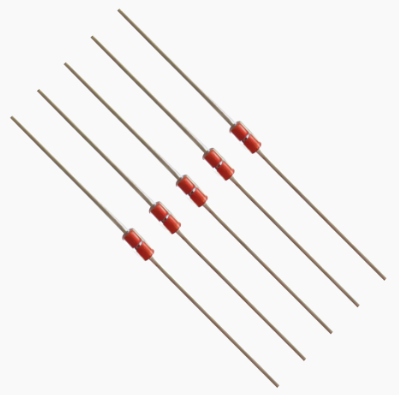
Sensörlerin zorlu ortamlarda ne kadar iyi dayandığı, aslında nasıl kaplandıklarına bağlıdır. Camla kaplı termistörler oldukça yüksek sıcaklıklara dayanabilir; aslında 150 °C’yi aşan sıcaklıkları bile tolere edebilir ve nemden korunmak için sıkı bir şekilde mühürlenmiş kalır. Ancak bu cam kaplamalar, darbe aldıklarında kolayca kırılır; bu nedenle sürekli sallanma veya mekanik stresin yaşandığı ortamlarda uzun süre dayanmazlar. Daha düşük maliyetli ve kimyasallara ile nemden karşı orta düzeyde koruma sağlayan bir başka seçenek de epoksidir. Geçen yıl endüstriyel verilere göre, epoksi ile korunan sensörlerin yıllık sıcaklık kayması yaklaşık 0,2 °C iken, doğru şekilde hermetik olarak mühürlenmiş olanlarınki yalnızca 0,02 °C civarındadır. Dayanıklılık en önemli faktör olduğunda, paslanmaz çelik muhafaza çözümleri rakipsizdir. Bu metal muhafazalar fiziksel zorlamalara karşı son derece dirençlidir, suya karşı IP68 standartlarını karşılar ve diğer sensörleri kıracak seviyede titreşimlere de dayanabilir. Rafinerilerde, gemilerde ve büyük endüstriyel makinelerin yanında mükemmel performans gösterirler. Dezavantajı nedir? Çelik, tüm sistemi daha büyük, daha ağır ve doğal olarak plastik alternatiflerine kıyasla daha pahalı hale getirir.
Titreşim ve Montaj Gereksinimleri İçin Radyal Bağlantılı, Boncuk ve SMD Yapılandırmalar
Mekanik yapılandırma hem kurulum esnekliğini hem de saha güvenilirliğini belirler:
- Boncuk termistörler en hızlı termal yanıt süresini (<1 s) sağlar ancak yüksek titreşimli ortamlarda kırılma riskini önlemek için koruyucu muhafazalar veya montaj aparatları gerektirir.
- Radyal bağlantı varyantları doğrudan daldırma veya yüzey bağlantısını kolaylaştırır ancak tekrarlayan termal çevrimler altında lehim birleşimlerinde yorulmaya yol açabilir; bu, motor sarımlarında ve güç elektroniğinde bilinen bir arıza modudur.
- Yüzey montaj cihazları (SMD) kompakt, otomatikleştirilmiş PCB entegrasyonunu mümkün kılar ve ayak izi açısından %50’ye varan küçültme sağlar; modern titreşime dayanıklı tasarımlar, güçlendirilmiş uç bağlantıları ve optimize edilmiş altlık yapıştırması sayesinde 50G’lik işletme stabilitesi elde eder.
Takas net bir şekilde ortaya çıkar: boncuk tipleri ölçüm sadakatini önceliklendirirken, radyal ve SMD yapılandırmalar özellikle HVAC, motor kontrolü ve endüstriyel otomasyon sistemlerinde dayanıklılığı ve üretilebilirliği vurgular.
Sürekli Endüstriyel Çalışma Koşullarında NTC Termistör Performansının Optimize Edilmesi
Kendinden Isınma, Güç Dağıtımı ve Kalibrasyon Bütünlüğünün Yönetimi
Kendiliğinden ısıtılma, sürekli çalışma koşullarında kullanılan NTC termistörlerle çalışırken ölçüm hatalarının ana kaynaklarından biri olmaya devam etmektedir. Elektrik akımı bu cihazlardan geçtiğinde içsel ısı oluşur ve bu durum ölçümleri genellikle yaklaşık yarım ila bir buçuk derece Celsius kadar bozar. Bu tür hatalar, hassas sıcaklık kontrolünün büyük önem taşıdığı yarı iletken üretim süreçleri gibi uygulamalar için özellikle olumsuz sonuçlar doğurur. Bu sorunu gidermek amacıyla mühendisler, mümkün olduğunca uyarım akımını 100 mikroamperin altına düşürürler. Sensörün ısıyı iyi ileten malzemelere monte edilmesi, lokal olarak oluşan sıcak noktaların dağılmasına yardımcı olur. Başka yaygın bir yaklaşım ise sabit ölçüm yöntemleri yerine darbeli ölçüm yöntemlerine geçmektir; bu da zaman içinde toplam ısı birikimini azaltır. Bu stratejiler, kendiliğinden ısıtılma gibi doğasından kaynaklanan zorluklara rağmen doğru ölçümlerin korunmasında büyük fark yaratır.
Güç kaybını yönetme yeteneği, bu bileşenlerin zaman içinde ne kadar güvenilir kalacağında büyük rol oynar. Sürekli olarak en az 200 mW'ı kaldırabilen endüstriyel sınıf NTC termistörler, motor sürücülerinde ve değişken frekanslı invertörlerde sürekli gördüğümüz can sıkıcı voltaj değişimlerinde bile dirençlerini sabit tutma eğilimindedir. Kalibrasyon doğruluğuna bakıldığında, yaklaşık 10.000 termal döngüden geçtikten sonra yılda 0,1 santigrat derecenin altında sapma oranları gösteren test edilmiş termistörleri tercih etmek mantıklıdır. Ancak sadece fabrika kalibrasyonuna güvenmek yeterli değildir. Herhangi bir temel sapmayı sorun haline gelmeden önce yakalamak için bilinen standartlara karşı gerçek yerinde kontroller yapmamız gerekir. Epoksi kaplı versiyonlar, ağır titreşimlere maruz kaldıklarında çıplak çip olanlara kıyasla yaklaşık %30 daha az sapma gösterir. Bu, ambalajın ölçüm doğruluğu için çok önemli olduğunu gösterir; sadece dış etkenlerden korumakla kalmaz, aynı zamanda genel performans ölçütlerini de etkiler.
Gerçek Dünya Doğrulaması: NTC Termistör Özelliklerinin Temel Endüstriyel Kullanım Alanlarına Uyumu
Doğru NTC termistörün seçilmesi, sadece bir veri sayfasından teknik özelliklerin kontrol edilmesi yerine, bunun gerçek koşullar altında test edilmesini gerektirir. Örneğin otomotiv batarya yönetim sistemlerini ele alalım. Buradaki termistörler, eksi 40 °C ile 125 °C arasında değişen sıcaklık dalgalanmalarına ve sürekli titreşimlere maruz kalırlar. Tehlikeli termal kaçak durumlarını önlemek için doğrulukları yarım derece içinde kalmalıdır. Havacılık uygulamalarında ise bileşenler, on binin üzerinde termal döngü boyunca kararlılığını korumalıdır. Bu nedenle birçok üretici, aşırı basınç değişimlerine dayanabilen ve katı dışgazlama (outgassing) gereksinimlerini karşılayan paslanmaz çelik muhafazaları tercih eder. Hassas tarım ekipmanı kullanan çiftçiler, epoksi kaplamalı ve IP67 sınıfı olan özel problara güvenir. Bu sensörler, nem, pestisitler ve aşındırıcı toprak parçacıklarına karşı dirençlidir ve aynı zamanda tarlalarda küçük iklim değişikliklerine hızlı tepki verebilir. Fabrika ortamlarında ise endüstriyel otomasyon, yüksek hızda yeniden eritme lehimleme işlemi ve mekanik şoklar gibi zorlu PCB montaj süreçlerine dayanabilen titreşime dayanıklı yüzey montaj cihazlarını kullanmaya başlamıştır. Çoğu sorun aslında yanlış eşleşen teknik özelliklerden değil, petrol rafinerilerindeki ani sıcaklık değişimleri ya da birden fazla bileşenin bir arada çalıştığı yoğun motor kontrol panolarının içinde oluşan ısı birikimi gibi göz ardı edilen faktörlerden kaynaklanmaktadır.
SSS
NTC Termistör Nedir?
Bir NTC termistör, sıcaklığı arttıkça direnci azalan bir direnç türüdür ve genellikle endüstriyel uygulamalarda sıcaklık ölçümü ve kontrolü için kullanılır.
NTC termistörler için encapsülasyon neden önemlidir?
Encapsülasyon, termistörü nem, kimyasallar ve mekanik stres gibi çevresel faktörlere karşı koruyarak dayanıklılığı ve performans kararlılığını artırması nedeniyle kritik öneme sahiptir.
Kendinden ısıtma, NTC termistör okumalarını nasıl etkiler?
Kendinden ısıtma, iç ısı üretimi nedeniyle ölçüm hatalarına yol açabilir; bu da termistörün direncini değiştirerek yanlış sıcaklık okumalarına neden olur.
Endüstriyel uygulamalar için NTC termistör seçerken dikkat edilmesi gereken temel hususlar nelerdir?
Temel hususlar arasında gerekli sıcaklık aralığı, çevresel dayanıklılık, doğruluk, uzun vadeli kararlılık, encapsülasyon, mekanik yapı ve belirli endüstriyel koşullar ile güvenlik sertifikasyonlarıyla uyumluluk yer alır.
İçindekiler
- Endüstriyel Güvenilirlik İçin Temel NTC Termistör Seçim Kriterleri
- Endüstriyel Sınıf NTC Termistör Paketleme ve Mekanik Dayanıklılık
- Sürekli Endüstriyel Çalışma Koşullarında NTC Termistör Performansının Optimize Edilmesi
- Gerçek Dünya Doğrulaması: NTC Termistör Özelliklerinin Temel Endüstriyel Kullanım Alanlarına Uyumu
- SSS