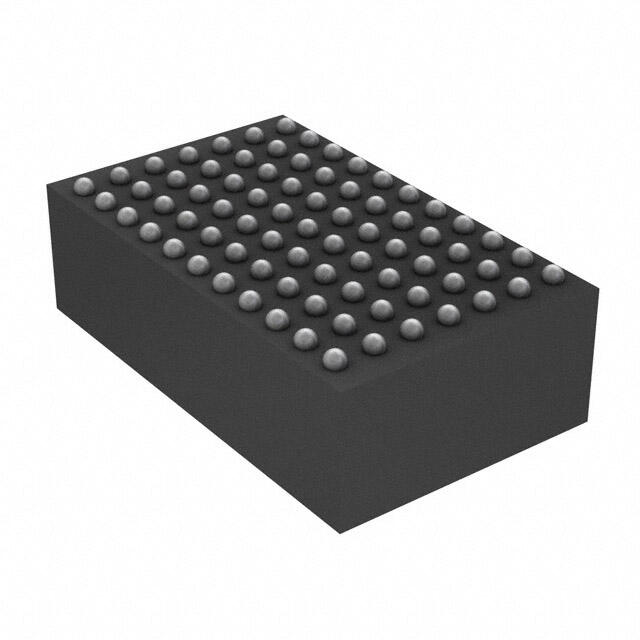
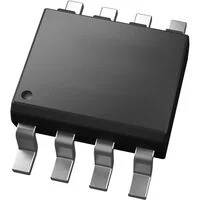
An in-depth analysis of system-level risks faced by electronic communication equipment manufacturers and practical methods to improve long-term reliability and uptime.
I. Background: Continuous Uptime Is the Core Value of Communication Equipment
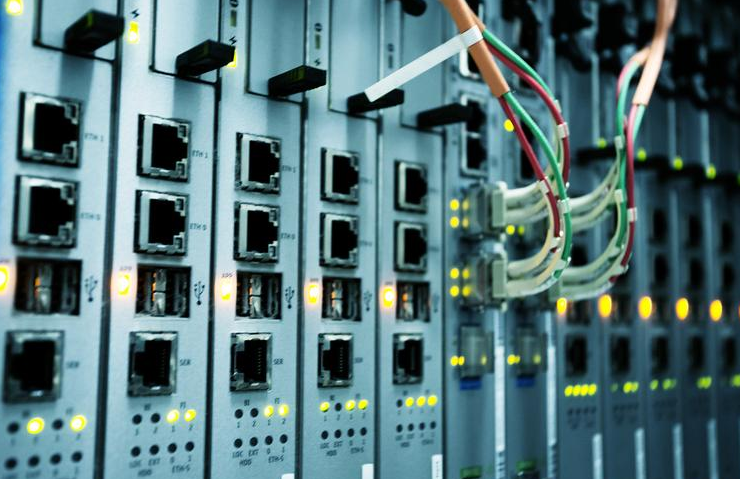
In base stations, industrial communication gateways, network switches, and dedicated communication terminals, continuous uptime is the primary measure of product value.
For communication equipment manufacturers, products are expected to operate 24/7, handle continuous data transmission, withstand harsh EMI and temperature conditions, and remain reliable in remote deployments where maintenance is costly.
II. Field Symptoms: Functional but Gradually Degrading Stability
During factory testing, communication devices typically pass functional checks, short burn-in tests, and basic performance validation.
However, after prolonged field operation, issues may emerge such as intermittent network drops, random module resets, abnormal throughput fluctuations, or increased failure rates under high temperature or load conditions.
These issues are rarely immediate failures, but rather gradual stability degradation over time.
III. Initial Misjudgment: Issues Often Attributed to Software or Network Conditions
When such issues occur, manufacturers often blame software bugs, complex network environments, or user behavior differences.
As a result, troubleshooting focuses on firmware and configuration, while hardware system-level risks are underestimated.
IV. Root Cause: Invisible Electrical and Environmental Stress in Communication Systems
Post-project analysis shows that power fluctuations, localized overcurrent from multiple active interfaces, accumulated thermal stress, and chronic EMI/ESD effects on high-speed interfaces gradually undermine system stability without triggering immediate failure.
V. Practical Solutions: System-Level Optimization for Communication Equipment Manufacturers
Mature communication equipment factories are upgrading from "functional implementation" to system stability and controllable design:
1. Enhanced Power Supply and Interface Status Monitoring
Monitoring current and voltage changes on critical power rails
Identifying abnormal trends in interface operating status
2. Improved Interface Protection and Anti-interference Design
Appropriately configuring ESD/TVS protection devices
Enhancing the anti-interference capability of high-speed interfaces
3. Stable Selection and Lifecycle Management of Core Components
Prioritizing long-term supply of communication ICs, processors, and interface chips
Assessing EOL/NRND risks in advance
Avoiding frequent replacement of critical components during mass production
VI. Results: Improved Uptime, Reliability, and Customer Satisfaction
With system-level optimization, manufacturers achieve higher uptime, fewer random resets, lower maintenance costs, and better access to carrier-grade and overseas projects.
VII. Practical Advice for Electronic Communication Equipment Manufacturers
In the communication equipment market, competition is shifting from functionality and performance to long-term stability, reliability, and maintainability.
Making system behavior monitorable, predictable, and traceable is key to large-scale deployment success.

 EN
EN