
 EN
EN
How MOSFETs Enable Efficient and Precise Power Management
Principle: The Role of MOSFETs in Precision Control and High-Efficiency Conversion
Modern MOSFET technology manages to keep output voltage ripple below 1% in power supply systems thanks to its incredibly precise switching at the nanosecond level. This results in around 97.5% peak efficiency for today's voltage regulator circuits. Unlike BJTs that need base current, MOSFETs operate through voltage control alone, which cuts down on driver circuit complexity by roughly 40 to 60% when compared to similar designs. The reduced complexity isn't just a nice bonus either. It actually makes these components perfect for applications requiring rapid responses to changing loads. Take CPU voltage regulation as an example. When load changes hit over 500 amps per microsecond, the system needs adjustments within less than five microseconds to maintain stability. That kind of speed is exactly what MOSFETs excel at delivering.
Key Electrical Characteristics: Rds(on), Gate Charge, Switching Speed, and Breakdown Voltage
Four parameters dominate MOSFET selection:
- Rds(on) below 2 mΩ (in 100V devices) cuts conduction losses by 70% versus IGBTs
- Gate charge under 50 nC enables 1–5 MHz switching in resonant converters
- Turn-off delays <15 ns prevent shoot-through in half-bridge configurations
- Avalanche ratings exceeding 150 mJ ensure reliability during inductive load disconnects
Optimizing these parameters reduces total losses by 34% in 1 kW PSUs, while industrial drive systems using low-Rds(on) MOSFETs report 22% lower junction temperatures than IGBT-based equivalents.
Thermal Stability and Conduction Loss Optimization Through Device Physics
The latest trench gate designs boost current density to about three times what we see in traditional planar MOSFETs, which means manufacturers can shrink die sizes while maintaining impressive performance metrics like Rds(on) below 1 mΩ-mm². Copper clips between components cut down on package resistance by roughly 60 percent, making connections much more efficient. Meanwhile, those clever split gate arrangements slash gate-drain charges by around 45%, something that really matters when trying to keep switching losses low at frequencies above 500 kHz. All these improvements allow devices to run continuously even when junction temperatures hit 175 degrees Celsius, which is pretty remarkable for automotive traction inverters where heat management is always a concern.
Trend: Growing Integration of MOSFETs in Consumer Electronics and Data Centers
Modern smartphones pack around 18 to 24 MOSFETs these days, handling all sorts of advanced features like fast wireless charging capable of 65 watts within just 30 square millimeters, plus powering those sleek OLED displays we've come to love. Meanwhile, big hyperscale data centers are making the switch to 48 volt server racks equipped with gallium nitride MOSFETs. These newer systems hit an impressive 98.5 percent efficiency when running at 100 amp loads. That's actually a pretty significant jump from older 12 volt setups. The difference might seem small at just 2.3 percentage points, but it adds up financially too. For every 10,000 servers in a facility, companies save about $380,000 each year on cooling costs alone, which makes this upgrade worth considering despite the initial investment.
Critical Applications of MOSFETs in Advanced Power Management Systems
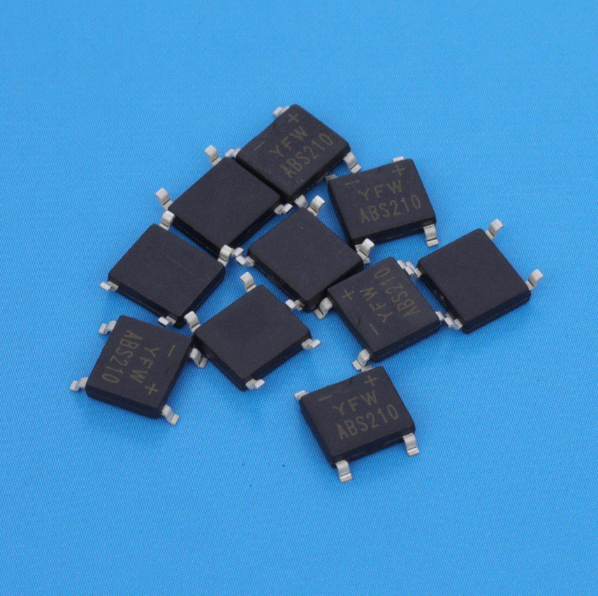
MOSFETs have become indispensable in advanced power management systems, enabling breakthroughs across four key domains. Their unique electrical characteristics address critical challenges in modern energy conversion and control applications.
MOSFETs in DC-DC Converters: Improving Voltage Regulation and Energy Efficiency
When it comes to DC-DC converters, MOSFETs cut down on switching losses somewhere around 40 to maybe even 60 percent when compared against old school bipolar transistors. This means we can build smaller power supplies that work at efficiency rates above 95%, which is pretty impressive stuff. What makes them so good? Well, their super low Rds(on) value really helps reduce those pesky conduction losses when dealing with big currents. Plus, these devices switch incredibly fast, sometimes hitting frequencies as high as 10 MHz, which gives us much better control over voltage levels. The real world impact? Industries like 5G network equipment manufacturers and makers of mobile gadgets benefit greatly from this technology because they need components that respond quickly to changing power needs throughout the day. Think about smartphones needing different amounts of power depending on whether someone is just browsing or streaming video.
Motor Control in Industrial Automation and Electric Vehicles
The use of MOSFETs allows variable frequency drives (VFDs) to get pretty close to maximum efficiency around 98% for industrial motors because they can adjust switching patterns on the fly. When it comes to electric vehicles, these components manage those huge current spikes over 500 amps in the traction inverters without letting the internal temperatures climb past the critical 125 degree Celsius mark. Manufacturers have found that replacing old thyristor systems with MOSFET controllers cuts down wasted energy in conveyor belt operations by roughly 20-25%, which makes a real difference in operational costs over time. The semiconductor industry keeps pushing these limits further as demand grows for more efficient power management solutions across various industries.
Battery Management Systems (BMS): Ensuring Safety and Efficiency in Lithium-Ion Batteries
Modern BMS architectures use MOSFET arrays to implement:
- Cell balancing with ±1% voltage accuracy
- Overcurrent protection within 5µs response times
- Adaptive charge/discharge cycling for 20% longer battery life
These systems prevent thermal runaway in lithium-ion packs while maintaining >99% Coulombic efficiency during operation.
Renewable Energy Systems: Solar Inverters and Battery Energy Storage (BESS)
In 1500V solar inverters, MOSFETs enable 98.5% conversion efficiency at full load—a 3% improvement over IGBT-based designs. For BESS applications, their avalanche ruggedness ensures reliable operation during grid frequency fluctuations, reducing maintenance costs by 30% over 10-year lifespans.
The Rise of Wide-Bandgap Semiconductors: SiC and GaN Transforming Power MOSFET Technology
The semiconductor game is changing thanks to wide bandgap materials such as silicon carbide (SiC) and gallium nitride (GaN). These new players in the field are pushing what's possible with power MOSFET tech. Take a look at the specs: breakdown voltages can go beyond 1,200 volts, and thermal conductivity hits around 4.9 watts per centimeter Kelvin. What does this mean for real world applications? Power management systems can now run at frequencies about three times higher compared to old school silicon MOSFETs. Plus there's this massive reduction in energy loss - somewhere around 60% cut down when used in things like solar inverters. The industry is really starting to take notice of these capabilities.
Performance Comparison: SiC and GaN vs. Traditional Silicon MOSFETs
SiC MOSFETs demonstrate a 40% improvement in switching speed compared to silicon equivalents, coupled with five times lower conduction losses at 150°C operating temperatures. GaN-based HEMTs achieve ten times faster switching transitions, making them ideal for 5G infrastructure and wireless charging systems requiring frequencies above 1 MHz.
Benefits in High-Frequency, High-Temperature, and High-Power Density Applications
In data center power supplies, GaN MOSFETs reduce converter size by 70% while supporting 300W/in³ power densities—critical as industry reports indicate 20% annual growth in hyperscale computing demand. SiC devices maintain 95% efficiency at 175°C ambient temperatures, enabling electric vehicle fast chargers to deliver 350kW without liquid cooling.
Adoption Challenges: Balancing Cost and Performance in Wide-Bandgap Devices
While SiC production costs remain 2.5x higher than silicon MOSFETs (2024 Semiconductor Cost Index), innovative wafer-scale manufacturing techniques have reduced defect densities by 80% since 2021. A 2023 survey of power electronics engineers revealed 68% prioritize wide-bandgap adoption despite cost premiums due to system-level savings in thermal management.
Case Study: Advanced MOSFET Arrays in EV Inverter Design
A leading EV manufacturer achieved 25% greater power density in drivetrain inverters by replacing IGBTs with parallel-connected SiC MOSFETs. This implementation improved overall vehicle range by 12% through optimized switching patterns that reduce reverse recovery losses by 90% at 20kHz switching frequencies.
Future Trends and Sustainable Impact of MOSFET Technology in Power Management
Next-Generation Design: Miniaturization, Smart Packaging, and System Integration
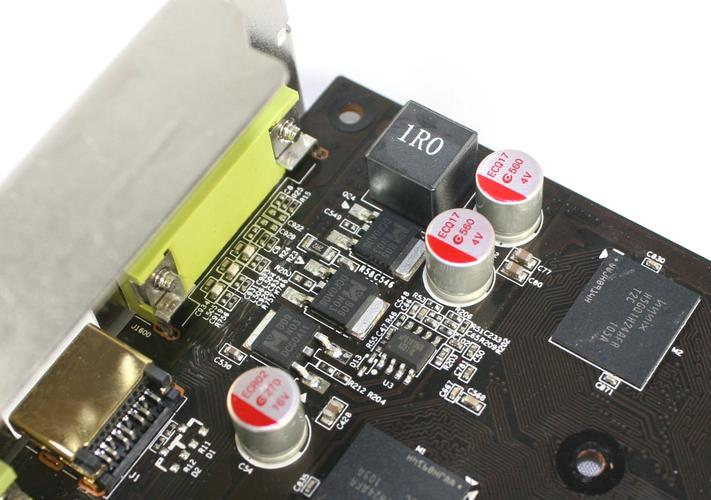
The world of MOSFET tech keeps changing fast to handle those tough requirements for small but powerful electronic gadgets. Big names in manufacturing are really pushing for smaller components these days. They're using fancy semiconductor techniques to shrink down the actual chips without sacrificing their ability to handle serious electrical loads. Some cool new packaging ideas are making waves too. We see things like built-in cooling systems and stacked chips in three dimensions helping manage heat better when there's just no room to spare. This matters a lot for tiny IoT devices and our ever-present smartphones. Looking at what's happening with system design, companies are starting to merge MOSFET arrays right alongside control circuits and various sensors. These combos create smart power modules that adjust their own voltage settings automatically. According to recent market research from 2025, this trend looks set to grow at around 9 percent per year until 2035, which makes sense given how much demand there is for efficient power solutions in modern electronics.
Enabling Sustainable Energy Systems Through Efficient Power Conversion
The road to those 2050 net zero goals? MOSFETs play a big role there. They actually make solar inverters work better than older tech, giving about a 2 to 5 percent efficiency boost. When we look at wide bandgap versions made with silicon carbide, things get even better for electric vehicles. These components cut down on conduction losses by around 40% in traction inverters, which means longer driving ranges between charges. According to some research from the IEA last year, battery management systems based on MOSFET technology can slash energy waste by roughly 7.2% each year in large scale lithium ion storage setups. And let's not forget homes either. The improvements we're seeing with microinverters that use these components have been pretty impressive too. Homeowners installing solar panels typically see their return on investment come faster now, cutting that wait time down by about 18 months compared to what it used to be.
Strategic Outlook: The Evolution of Power Management with Advanced MOSFETs
We are seeing a growing trend toward MOSFETs designed specifically for AI-based load predictions and dynamic voltage adjustments in power management systems. According to recent market research, around 72 percent of data centers could be using self monitoring MOSFET arrays within five years, which would significantly reduce their Power Usage Effectiveness metrics from current averages of 1.5 down to approximately 1.2. New combinations of traditional silicon MOSFET technology with gallium nitride drivers are showing impressive results too, capable of switching at frequencies up to 1 MHz while maintaining efficiencies over 98%. These advancements matter a lot for upcoming 6G networks and those high speed electric vehicle charging stations everyone keeps talking about. As these technologies come together, MOSFETs seem poised to become fundamental components in building smarter grids and distributed energy solutions across various industries.
FAQ
What are MOSFETs used for in power management?
MOSFETs are used in power management for efficient and precise control of electrical loads, reducing conduction and switching losses, improving voltage regulation, and enabling rapid adjustments in systems such as CPU voltage regulators, DC-DC converters, and motor controllers.
How do MOSFETs compare with BJTs?
MOSFETs have advantages over BJTs as they operate through voltage control, reducing driver circuit complexity and improving efficiency by eliminating the need for base current.
Why are wide-bandgap materials like SiC and GaN important?
Wide-bandgap materials like SiC and GaN are transforming power technology by offering higher breakdown voltages, improved thermal conductivity, and lower energy losses compared to traditional silicon, enabling higher efficiency and performance in applications like EV chargers and solar inverters.
What challenges exist in adopting wide-bandgap devices?
While wide-bandgap devices offer superior performance, production costs remain high, but innovative manufacturing techniques are reducing defect densities, encouraging adoption due to system-level savings despite cost premiums.
Table of Contents
-
How MOSFETs Enable Efficient and Precise Power Management
- Principle: The Role of MOSFETs in Precision Control and High-Efficiency Conversion
- Key Electrical Characteristics: Rds(on), Gate Charge, Switching Speed, and Breakdown Voltage
- Thermal Stability and Conduction Loss Optimization Through Device Physics
- Trend: Growing Integration of MOSFETs in Consumer Electronics and Data Centers
-
Critical Applications of MOSFETs in Advanced Power Management Systems
- MOSFETs in DC-DC Converters: Improving Voltage Regulation and Energy Efficiency
- Motor Control in Industrial Automation and Electric Vehicles
- Battery Management Systems (BMS): Ensuring Safety and Efficiency in Lithium-Ion Batteries
- Renewable Energy Systems: Solar Inverters and Battery Energy Storage (BESS)
- The Rise of Wide-Bandgap Semiconductors: SiC and GaN Transforming Power MOSFET Technology
- Future Trends and Sustainable Impact of MOSFET Technology in Power Management