The NPN Transistor is a fundamental active semiconductor device that has shaped the development of electronic circuits for decades. As a type of Bipolar Junction Transistor (BJT), its operation is based on the flow of electrons, with current entering the collector and exiting the emitter, controlled by a smaller base current. This "current sourcing" capability makes the NPN Transistor exceptionally versatile, primarily functioning as an electronically controlled switch or a current amplifier. Its key parameters—including collector-emitter breakdown voltage (Vceo), maximum collector current (Ic), DC current gain (hFE), and switching speed—determine its suitability for countless applications, from simple LED drivers to complex analog computation.
In practical deployment, the NPN Transistor is ubiquitous. Within industrial automation systems, NPN transistors are workhorses for switching inductive loads like relays, solenoid valves, and small motors. Their ability to be driven directly from microcontroller GPIO pins (with a base resistor) makes them ideal for interface modules in PLCs. In amplification roles, NPN transistors form the core of audio pre-amplifiers, radio frequency (RF) stages, and sensor signal conditioning circuits, where their gain linearity is crucial. The rise of energy & power applications has further highlighted their importance in switch-mode power supply (SMPS) circuits, pulse-width modulation (PWM) controllers, and battery management systems (BMS), where efficiency and reliability are non-negotiable.
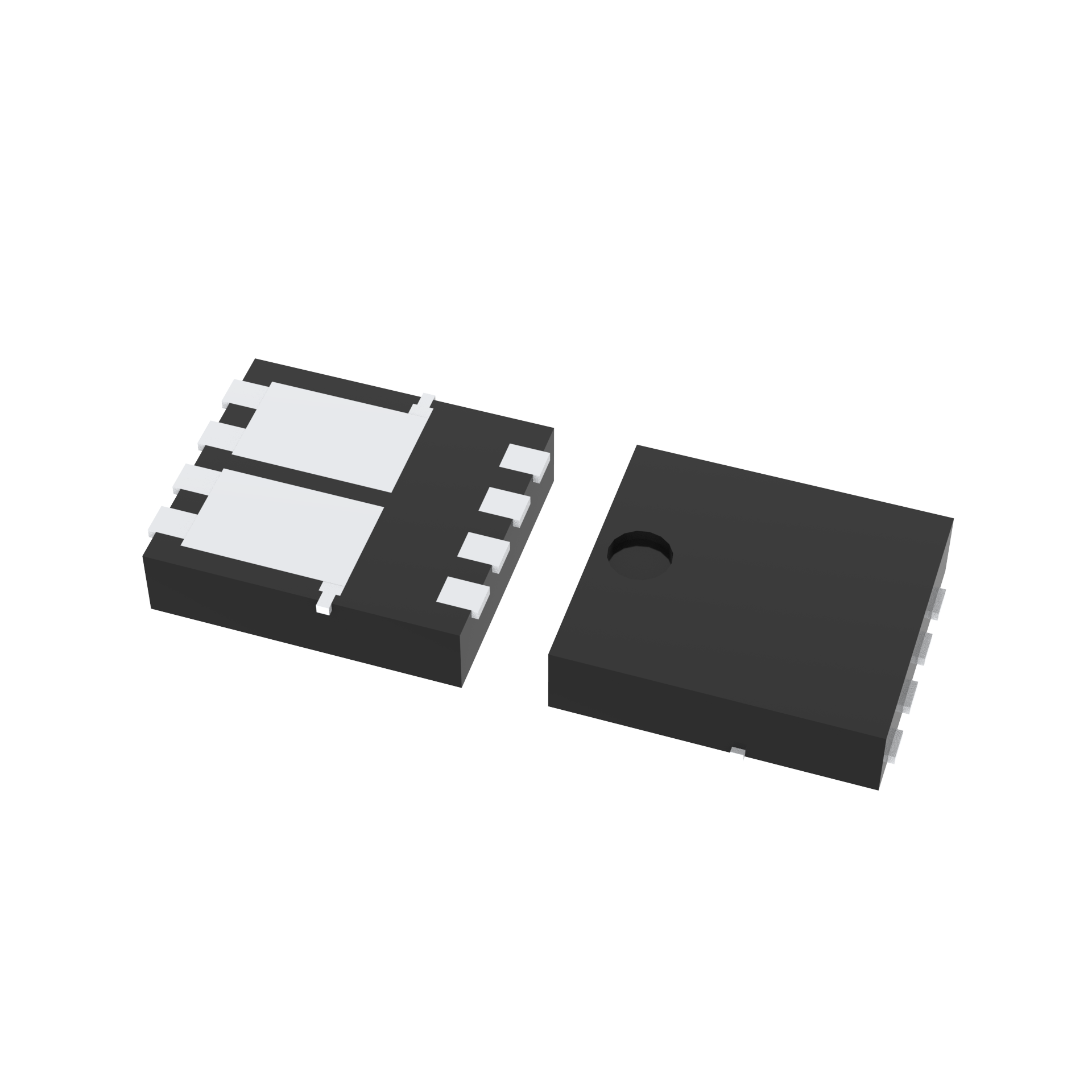
The environment in which an NPN Transistor operates dictates its required grade and specifications. For automotive electronics, such as in-vehicle infotainment or engine management systems, components must withstand temperature extremes, vibration, and electrical noise. Transistors in these applications often need to meet stringent AEC-Q101 qualification standards. Similarly, in harsh industrial automation settings, long-term durability and stable performance across a wide temperature range are essential to prevent costly downtime. This distinction between commercial-grade and high-reliability components is critical for product longevity. Engineers must also consider packaging, from compact SOT-23 and SOT-223 packages for space-constrained consumer devices to larger TO-220 and TO-263 (D2PAK) packages for power applications requiring significant heat dissipation.
Navigating the global market to reliably source the correct NPN Transistor—with the specific electrical characteristics, package, and quality grade—requires a knowledgeable and well-connected partner. Jaron operates as a global supply partner with a dedicated focus on providing electronic component solutions. We support engineers and procurement professionals by leveraging our network to source NPN transistors that match precise technical and commercial requirements. Our capabilities in spot buys and forward booking programs offer flexibility for both urgent project needs and stable production planning. For detailed technical specifications, competitive pricing for your specific NPN Transistor needs, and to discuss how our supply-chain solutions can support your projects in consumer electronics, automotive, industrial automation, or energy sectors, please contact our team directly. We are here to ensure you have a dependable source for these critical components.
07
Jul
07
Jul
02
Jul
28
May

 EN
EN