The PNP Transistor stands as one of the two fundamental types of bipolar junction transistors (BJTs), a workhorse component in analog and power electronics. Its operation is defined by the flow of positively charged "holes" as the majority carrier, which dictates its characteristic current direction: conventional current enters the emitter and exits the collector, with a smaller current entering the base to control the larger emitter-collector current. This "current sink" behavior, where the load is typically placed between the collector and the positive supply rail (VCC), makes the PNP Transistor indispensable for configurations where the control signal needs to pull a node to ground or a lower voltage. Understanding its key parameters—such as the collector-emitter voltage (VCEO), collector current (IC), DC current gain (hFE), and power dissipation—is the first step in effective implementation.
In practical circuit design, PNP Transistors fulfill several critical roles. A primary application is low-side switching. Here, a PNP transistor can efficiently control power to a load connected to VCC. When a microcontroller or logic circuit pulls the base of the PNP transistor to ground (through a suitable base resistor), the transistor turns on, allowing current to flow from the emitter (connected to VCC) through the load to the collector. This configuration is widely used to drive motors, solenoids, LEDs, and relays in industrial-grade control systems and automotive modules. Another cornerstone application is in linear amplification, particularly in Class AB push-pull amplifier output stages paired with their NPN counterparts. In such audio or signal driver circuits, the PNP device handles the negative half of the signal cycle, enabling high-fidelity reproduction with low crossover distortion. Furthermore, PNP transistors are essential in voltage regulation circuits, such as in series-pass linear regulators or as error amplifiers, where they help maintain a stable output.
For engineers designing systems for challenging environments, selecting a PNP Transistor goes beyond basic electrical specs. In automotive electronics, components must withstand extreme temperature ranges, constant vibration, and potential voltage transients. A PNP transistor used in an Engine Control Unit (ECU) for sensor interfacing or in an infotainment system's power management must often comply with AEC-Q101 qualifications. Similarly, in industrial automation, a PNP transistor controlling a valve actuator on a factory floor needs high durability and consistent gain across its operational temperature. This is where the distinction between commercial-grade and high-reliability components becomes critical. Parameters like the reverse bias safe operating area (RBSOA) and the Maximum Junction Temperature (Tj) are carefully scrutinized.
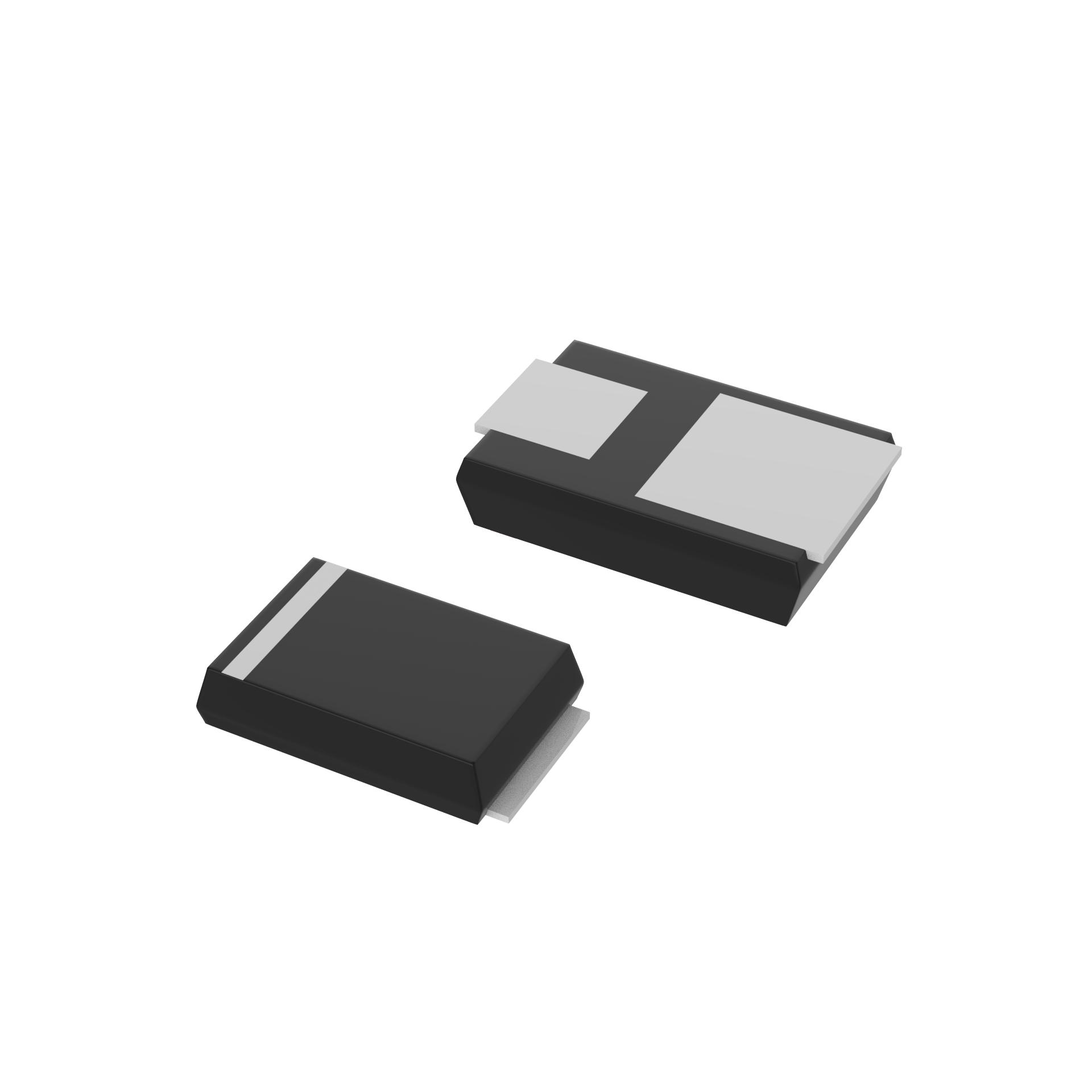
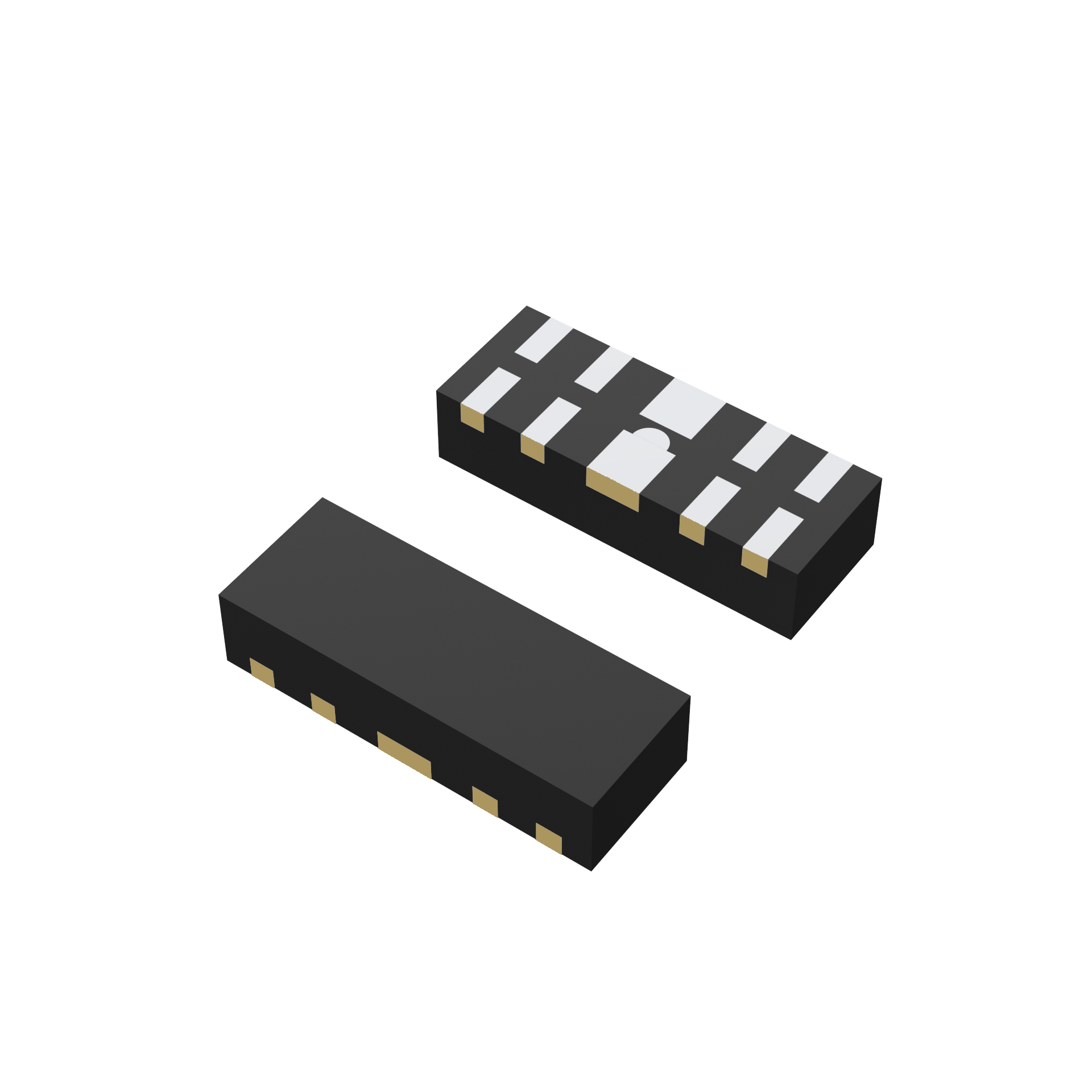
Sourcing the appropriate PNP Transistor with the correct grade, package (from small-signal SOT-23 to power packages like TO-220), and performance characteristics is a task that requires a knowledgeable supply partner. As an international distributor with a targeted focus on power semiconductors and high-reliability components, Jaron is positioned to support this need. We assist design and procurement teams in navigating the vast landscape of available PNP transistors to identify devices that balance performance, cost, and availability. Our global sourcing network allows us to locate components that may be scarce in local markets. For specific pricing, detailed technical specifications, and samples of PNP Transistors suitable for your prototype—whether for a new automotive sensor module or an industrial motor controller—we encourage you to contact our sales team directly. We provide tailored supply-chain solutions to support your project from conception through to volume manufacturing.

07
Jul
07
Jul
28
May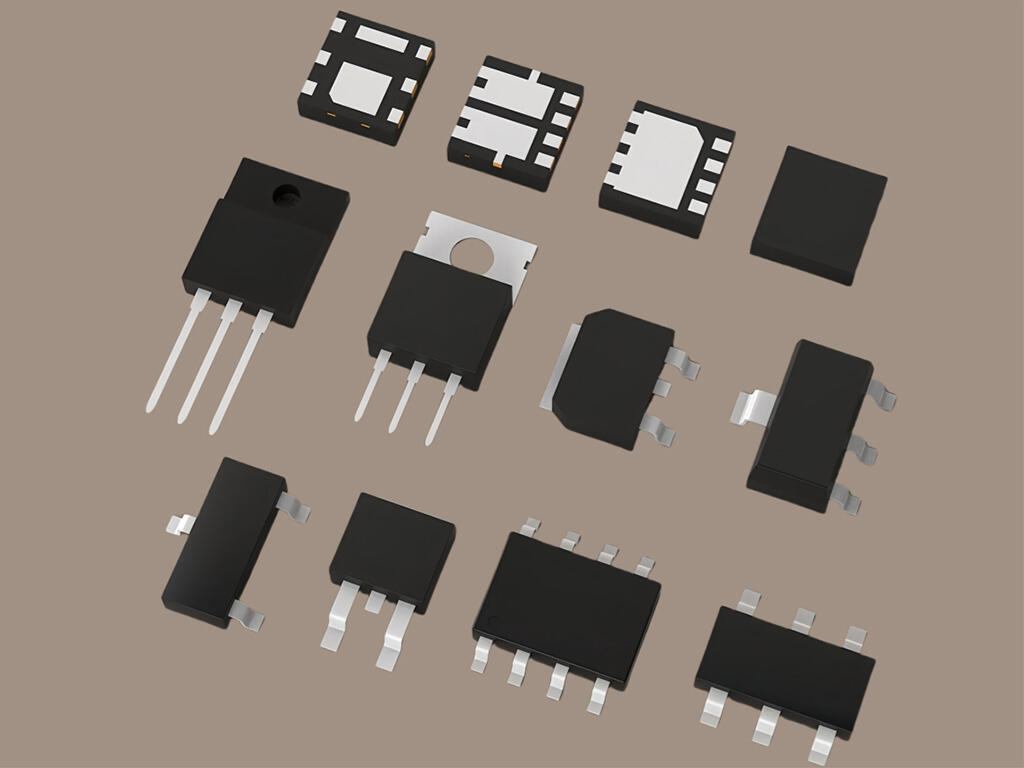
03
Jun

 EN
EN