An in-depth analysis of system-level risks in UPS manufacturing and how proactive monitoring improves reliability and field performance.
I. Background: UPS Manufacturers Face More Than Just Power Stability
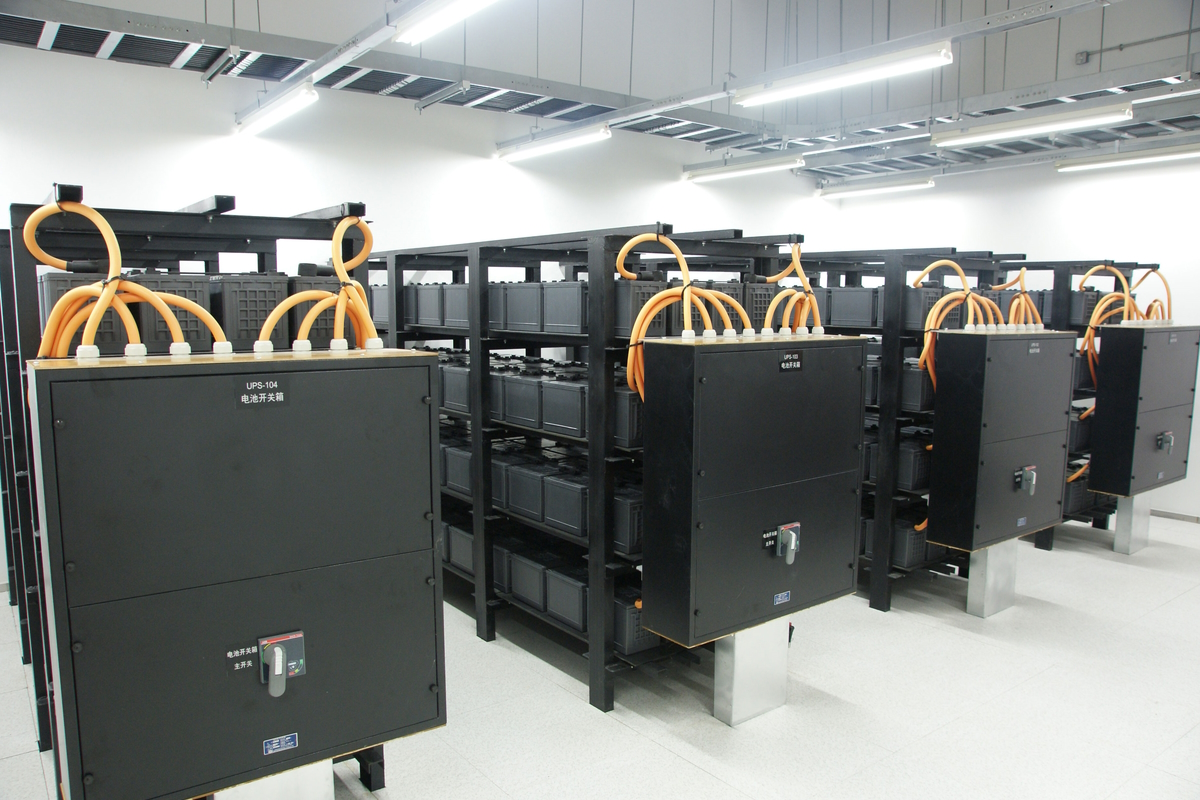
In data centers, telecom infrastructure, industrial control, and medical systems, UPS units serve as the final line of power protection.
For UPS manufacturers, meeting rated power specifications is not enough—systems must remain stable under long-term operation, frequent mode switching, and complex load conditions.
As demand grows for higher power density, efficiency, and reliability, UPS system design has become increasingly complex.
II. Field Symptoms: Passed Tests but Failed at Customer Sites
During factory testing, UPS units typically perform well, passing burn-in tests, load tests, and battery transfer verification.
However, after deployment, issues may arise such as system resets during power transfer, unexpected shutdowns under high load, or power module failures after extended operation.
III. Initial Misjudgment: Blaming Power Devices or Thermal Design
When these issues occur, manufacturers often respond by upgrading power devices, improving heat sinks, or modifying airflow design.
However, post-project analysis shows that simply oversizing components rarely addresses the root cause and often increases BOM cost.
IV. Root Cause: Lack of Visibility Into Critical Electrical Conditions
In many UPS designs, transient current, voltage, and power events are not fully visible to the system—especially during line-to-battery transfers, parallel module operation, or battery aging.
These stresses accumulate over time without triggering immediate protection.
V. Practical Solution: From Passive Protection to Active Monitoring
Mature UPS factories are gradually introducing system-level electrical monitoring mechanisms, moving beyond reliance on traditional protection devices.
Practical engineering practices include:
Introducing current/power monitoring ICs into critical power paths
Real-time monitoring of input, output, and battery status
Providing early feedback of abnormal trends to the main control MCU/DSP
This approach shifts UPS systems from reactive protection to proactive control.
VI. Results: Improved Reliability, Delivery, and Customer Satisfaction
In mass production, system-level monitoring leads to lower power module failure rates, reduced field returns, and improved consistency in parallel UPS systems.
This improvement strengthens competitiveness in high-end UPS markets.
VII. Challenges Faced by UPS Manufacturers
Today, the competitive focus for UPS manufacturers has shifted from specifications to long-term reliability and maintainability.
Making current and power characteristics visible is a key step in improving system reliability.

 EN
EN