
 EN
EN
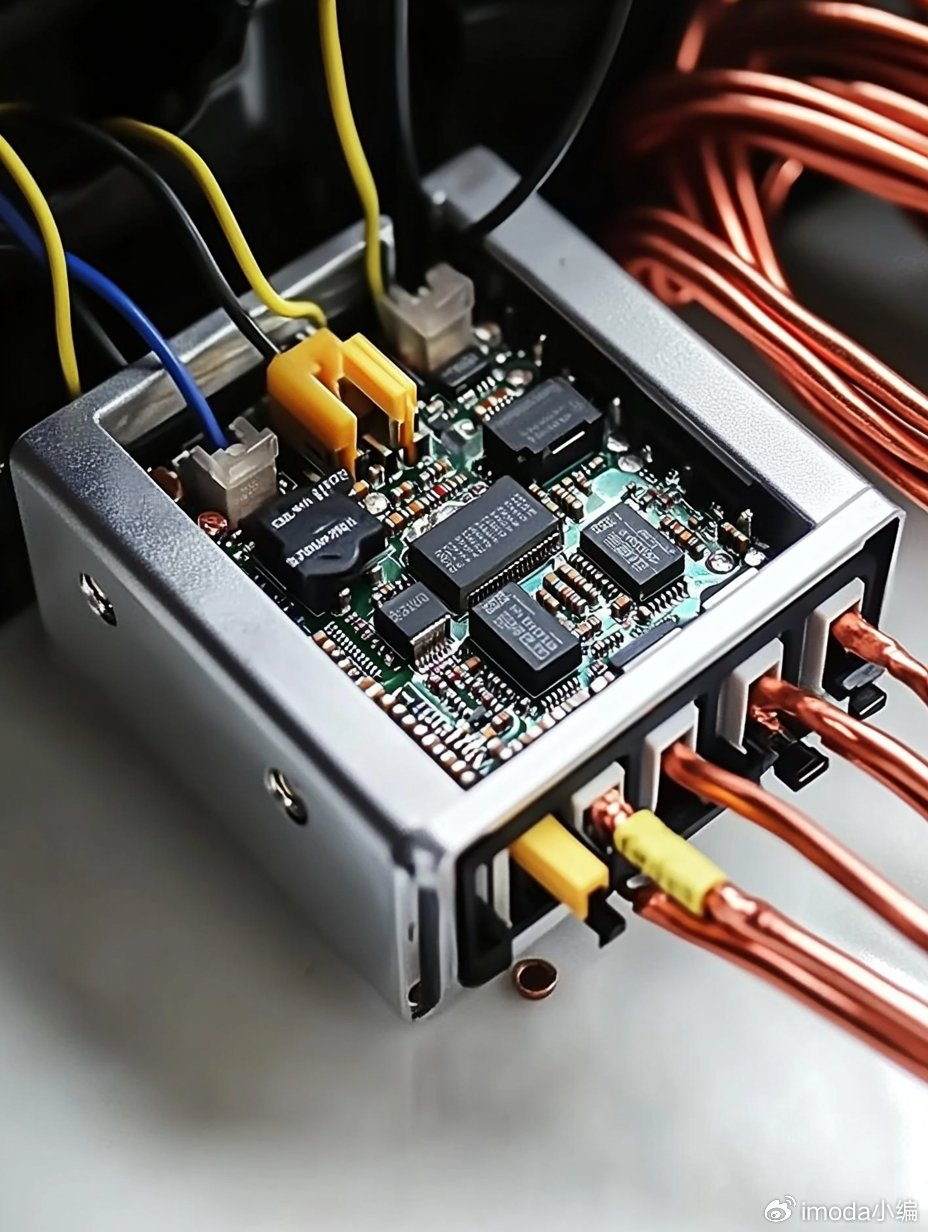
Feszültségvezérelt kapcsolás: a MOSFET-ek alapvető előnye a hatékony teljesítményszabályozásban
A MOSFET-ek (fém-oxid-félvezető térvezérlésű tranzisztorok) jobban teljesítenek a hagyományos kapcsolóknál, mivel feszültségvezérelt működést alkalmaznak, így nem igényelnek folyamatos vezérlőáramot a kapun. Ez pontos, hatékony teljesítményszabályozást tesz lehetővé minimális energiafelhasználással.
Kapuvezérelt működés: nulla kapuáram és pontos V GS -vezérelt vezetés
A kapukivezetésre adott feszültség elektromos mezőt hoz létre, amely szabályozza a vezetést a drain és a source között. Ez a feszültségvezérelt mechanizmus számos kulcsfontosságú előnnyel jár:
- Gyakorlatilag zéró statikus fogyasztás a kapunál, ellentétben az áram-vezérelt BJT-kkel
- Lineáris V GS -ról I-re M kapcsolat pontos áramszabályozás érdekében
- Egyszerűsített meghajtó elektronika , csökkentve a rendszer bonyolultságát és terhelését
Ez az architektúra több mint 95%-os hatásfokot tesz lehetővé teljesítményátalakítási fokozatokban a folyamatos vezérlőáram okozta veszteségek megszüntetésével. A tervezők ezt a pontosságot használják adaptív terheléskezelésre ipari és fogyasztói alkalmazásokban.
Erősítő üzemmód dominanciája teljesítmény-MOSFET tervezésben és rendszerintegrációban
Az erősítő üzemmódú MOSFET-ek dominánsak a modern teljesítményrendszerekben alapértelmezett kikapcsolt viselkedésük miatt nulla kapufeszültség esetén. Ez a beépített biztonság megakadályozza a szándékolatlan vezetést indítás vagy hibaeset során. Fő integrációs előnyök:
- Közvetlen kompatibilitás mikrovezérlő alapú meghajtókkal
- Természetes elektromos szigetelés a vezérlő- és teljesítménykörök között
- Skálázhatóság milliwattos hordozható eszközöktől többkilowattos ipari rendszerekig
A tartalékáram hiánya miatt ezek az eszközök ideálisak energiaérzékeny alkalmazásokhoz, mint például akkumulátorkezelés és megújuló energiás inverterek. Feszültségvezérelt működésük egyszerűsíti a párhuzamos konfigurációkat nagyobb teljesítménykezeléshez összetett áramosztó hálózatok nélkül.
Alacsony R DS(on) és minimális vezetési veszteségek: A MOSFET hatékonyságnövekedés kulcsa

Milliohmoktól a megawattokig: Az R skálázása DS(on) Hatása különböző terhelési körülmények között
A fő teljesítményveszteség a MOSFET rendszerekben a vezetési veszteségekből származik, amely alapvetően az I négyzet R képlettel írható le, amiről mindenki beszél. A nyitóirányú ellenállás, vagyis az RDS(on) kismértékű csökkenése is jelentős hatással van a teljes rendszer hatásfokára. A mai szilícium MOSFET-ek elérhetik a 2 milliohm alatti értéket, ami különösen fontos nagy áramfelvételű alkalmazásoknál, mint például 100 amper körüli esetekben. Például csupán egy milliohm csökkentése akár évente kb. 18 dollárnyi energia költségmegtakarítást is eredményezhet, attól függően, hogy mennyibe kerül helyben az áram. A tranzisztorrács technológia is forradalmasította a területet. Ezek a konstrukciók akkor is megtartják teljesítményüket, amikor a hőmérséklet emelkedik akár 175 Celsius-fokig is, miközben az ellenállásváltozás 30%-on belül marad. Az ilyen hőmérsékleti stabilitás döntő fontosságú a gyakorlatban, ahol a hőmérsékletingadozás elkerülhetetlen.
- Több mint 95% hatásfokú 48 V-os szerver tápegységek
- 40%-kal kisebb hűtőbordák motorhajtásokban
- 15%-kal hosszabb akkumulátor-üzemidő hordozható eszközökben
Széles sávú előny: a SiC MOSFET-ek több mint 50%-kal alacsonyabb vezetési veszteséget biztosítanak 400 V felett
Amikor nagyfeszültségű alkalmazásokról van szó, a szilíciumkarbid MOSFET-ek valóban felülmúlják a hagyományos szilícium alapú megoldásokat. 400 V feletti feszültségeknél ezek az SiC eszközök általában körülbelül felére, kétharmadára csökkentik a fajlagos ellenállást, ráadásul megbízhatóan működnek akkor is, amikor a hőmérséklet eléri a 200 °C-ot – egy olyan határ, amit a hagyományos szilícium nem bír ki. Az előnyök igazán lenyűgözőek. Elektromos járművek invertereiben, ahol 800 V a működési feszültség, közel 98 százalékos hatásfok érhető el. Napenergia-telepek esetében pedig egy 2023-as Ponemon tanulmány szerint a szilíciumkarbid technológiát használó fotovoltaikus átalakítók abszolút értékben körülbelül 1,5 százalékponttal csökkentették az energia veszteséget, ami tíz megawattos telepen évente kb. 740 ezer dollár megtakarítást jelent. Egy másik nagy előny, hogy az SiC MOSFET-ek nem szenvednek meg bosszantó visszavezetési veszteségektől kapcsolási műveletek során, így különösen értékesek a nagyobb teljesítményű rendszerekben, ahol minden kis hatásfok-növekedés számít.
Nagy sebességű kapcsolás és alacsony kapcsolási veszteségek: Kompakt, magas frekvenciájú teljesítményátalakítás lehetővé tétele
Nanomásodperces t a /tki van kapcsolva. és Q g Optimalizálás >1 MHz-es DC/DC átalakítókhoz
A mai MOSFET technológia kevesebb, mint 100 nanomásodperc alatt kapcsolhat, lehetővé téve, hogy a DC/DC átalakítók jól működjenek 1 MHz-nél magasabb frekvenciákon. Mi teszi ezt lehetővé? A kapun töltés (Qg) jelentősen csökkent. Amikor kevesebb töltésre van szükség a tranzisztor be- és kikapcsolásához, az átkapcsoláshoz sokkal kevesebb energia szükséges. Ez a Qg csökkenése azt jelenti, hogy az illesztők összességében kevesebb energiát fogyasztanak, és a kapcsolás sokkal gyorsabban történik meg. A kapcsolási veszteségek körülbelül 40%-kal csökkentek az előző, alig néhány évvel ezelőtti tervekhez képest. Ennek eredményeként az mérnökök olyan rendszereket tervezhetnek, ahol a mágneses alkatrészek körülbelül 60%-kal kevesebb helyet foglalnak el. Ez lehetővé teszi a kisebb, de hatékony eszközök kifejlesztését teljesítményáldozat nélkül. Még ezeken az óriási, több megaherces sebességeken is a legtöbb modern átalakító továbbra is képes 95% feletti hatásfokot elérni, ami az előző generációs alkatrészekkel lehetetlen lett volna.
Csökkentett EMI és hőterhelés a szabályozott dV/dt és a lágykapcsolás-kompatibilitás révén
Amikor a feszültségváltozások szabályozott sebességgel történnek (dV/dt), csökkentik azokat a zavaró magasfrekvenciás harmonikusokat, amelyek elektromágneses zavart (EMI) okoznak. Vegyük például a MOSFET-eket, különösen azokat, amelyek lágy kapcsolási módszerekkel, mint például a ZVS-szel működnek. Ezek az alkatrészek gyakorlatilag megszüntetik az áram és a feszültség átfedését a kapcsolási állapotok során, ami kevesebb hőfelhalmozódást jelent az energiaigényes rendszerekben. Körülbelül 30%-kal alacsonyabb hőterhelésről beszélünk. Ha ezt a megközelítést rezonancia-körök tervezésével kombináljuk, hirtelen kisebb hűtőbordákra van szükség, miközben az EMI-szint továbbra is az ipari előírásoknak megfelelő marad. Az eredmény? Megbízhatóbb berendezések anélkül, hogy le kellene lassítani a kapcsolók működési sebességét.
Valós alkalmazású MOSFET teljesítményvezérlés: Kapcsolóüzemű tápegységek, motorhajtások és akkumulátorkezelés
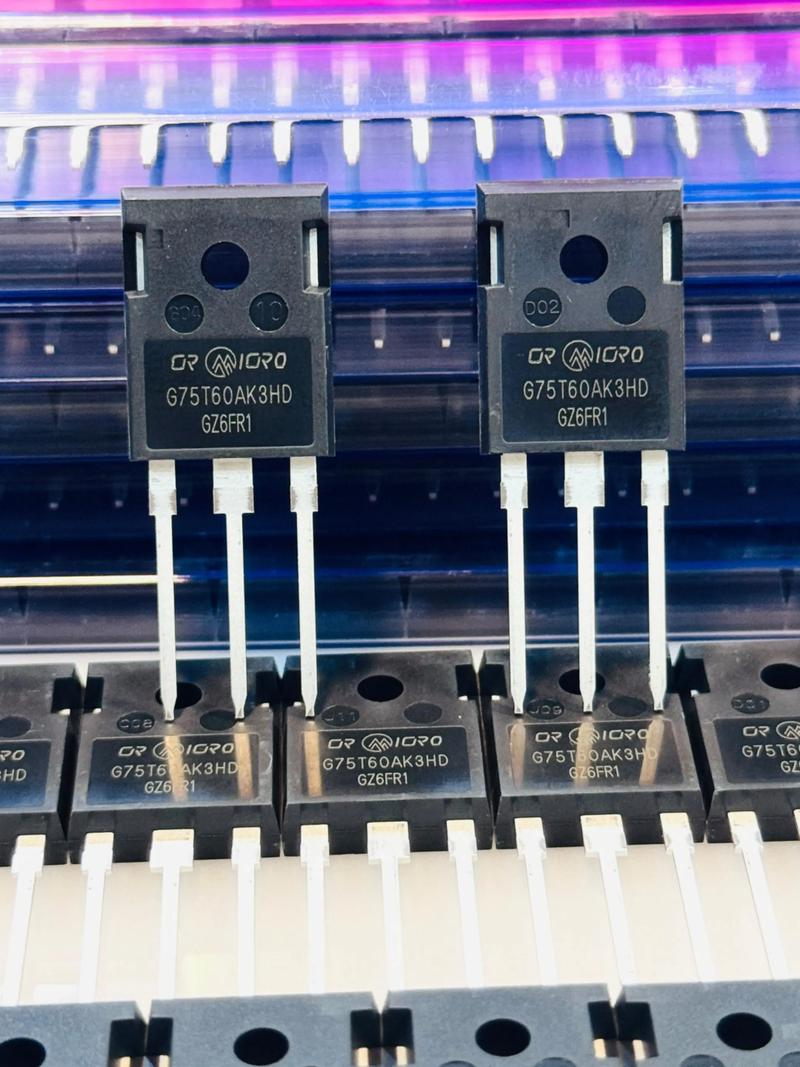
Szinkronos egyenirányítás kapcsolóüzemű tápegységekben: Diodák helyettesítése MOSFET-ekkel 30–50% hatásfoknövekedés érdekében
A kapcsolóüzemű tápegységek a szokásos diódák használata helyett MOSFET-eket alkalmaznak, amelyek szinkronos egyenirányítást végeznek. Ezek az alkatrészek rendkívül alacsony ellenállással rendelkeznek áramvezetés közben, így csökkentve azokat a kellemetlen vezetési veszteségeket, amelyeket mindannyian utálunk. Emellett gyors állapotváltási képességük lehetővé teszi, hogy jól szinkronizálódjanak a transzformátor működési ciklusával. Ennek hatására kiküszöbölődik az a bosszantó, állandó feszültségesés-probléma, amely a hagyományos diódáknál jellemző. A végeredmény? Jelentősen kevesebb hőtermelődés, és akár 30%-ról akár 50%-os hatásfok-javulás is elérhető bizonyos esetekben. A gyártók imádják ezt, mert így sokkal kisebb méretű, hűvösebben üzemelő tápegységeket tervezhetnek. Ilyen megoldásokat egyre inkább mindenhol láthatunk, a nagy adatközpontok szervereitől kezdve a távközlési hálózatokban használt berendezésekig, ahol különösen fontos a helytakarékosság.
H-híd motorvezérlés és PCM-alapú akkumulátorvédelem kétirányú MOSFET-kapcsolással
A MOSFET alapú H-hidakat gyakran használják motorhajtásokban, mivel lehetővé teszik az áram kétirányú áramlását, ami jobb vezérlést biztosít a sebesség és nyomaték paraméterek tekintetében. Számos elektromos járműgyártó impulzus szélesség modulációval vezérelt H-hidas áramkörökre támaszkodik a motor működésének hatékony kezeléséhez. Ami az akkumulátorkezelő rendszereket illeti, a védőáramkörök gyakran MOSFET technológiát alkalmaznak a veszélyes túltöltés megelőzésére és a túlmerítés megakadályozására, amely károsíthatja az elemeket. A tranzisztorok egymás mögötti kapcsolása simábbá teszi a töltés és merítés közötti váltást. Ez a beállítás körülbelül felére csökkenti a teljesítményveszteséget a hagyományos mechanikus relés rendszerekhez képest. Ennek eredményeképpen a lítiumion akkumulátorcsomagok hosszabb ideig tartanak, és biztonságosabban működnek különböző körülmények között.
GYIK szekció
Mi a fő előnye a MOSFET-ek használatának a teljesítményvezérlésben?
A MOSFET-ek feszültségvezérelt működést használnak, amely megszünteti a folyamatos kapuáram szükségességét, és lehetővé teszi a pontos és hatékony teljesítményszabályozást minimális energiaveszteséggel.
Miben különböznek az erősítő üzemmódú MOSFET-ek a többi típustól?
Az erősítő üzemmódú MOSFET-ek nulla kapufeszültség esetén alapértelmezés szerint le vannak kapcsolva, így megakadályozzák a nem kívánt vezetést indítás vagy hiba esetén, ami növeli a biztonságot.
Miért előnyös a SiC MOSFET használata magas feszültségű alkalmazásokban?
A SiC MOSFET-ek több mint 50%-kal alacsonyabb vezetési veszteséget nyújtanak 400 V felett, és megbízhatóan működnek akár 200 °C-os hőmérsékleten is, ellentétben a hagyományos szilícium MOSFET-ekkel.
Mi az a szinkron egyszerűsítés, és hogyan javítja a hatékonyságot?
A szinkron egyszerűsítés során diódák helyett MOSFET-eket használnak kapcsolóüzemű tápegységekben a vezetési veszteségek csökkentése érdekében, amely 30–50%-os hatékonyságnövekedést eredményez.
Tartalomjegyzék
- Feszültségvezérelt kapcsolás: a MOSFET-ek alapvető előnye a hatékony teljesítményszabályozásban
- Alacsony R DS(on) és minimális vezetési veszteségek: A MOSFET hatékonyságnövekedés kulcsa
- Nagy sebességű kapcsolás és alacsony kapcsolási veszteségek: Kompakt, magas frekvenciájú teljesítményátalakítás lehetővé tétele
- Valós alkalmazású MOSFET teljesítményvezérlés: Kapcsolóüzemű tápegységek, motorhajtások és akkumulátorkezelés
- GYIK szekció