
 EN
EN
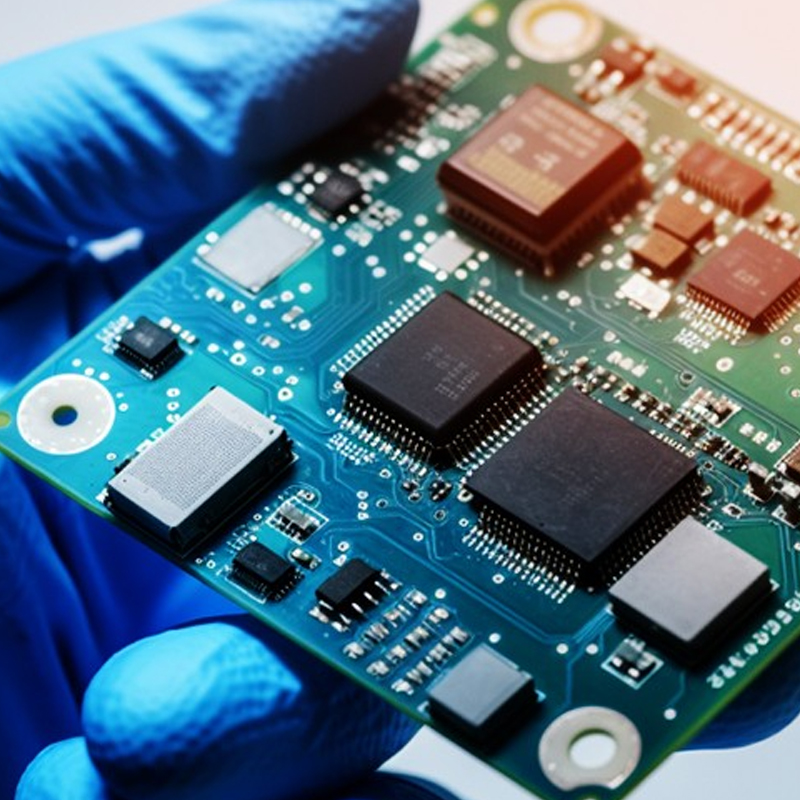
How TVS Diodes Work: Core Principles of Transient Voltage Suppression
Function of TVS Diodes in Circuit Protection
TVS (Transient Voltage Suppression) diodes serve as semiconductor-based safeguards, diverting damaging voltage transients away from sensitive electronics. They respond within nanoseconds to clamp surge energy, ensuring downstream components remain within safe operating limits. Research shows TVS implementations reduce ESD-related failures by 70% in high-risk interfaces like USB ports (NTC Research 2023).
Transient Voltage Suppression: How TVS Diodes Respond to Fast Transients
When transient voltages exceed safe thresholds—due to lightning, switching events, or electrostatic discharge—TVS diodes activate in under 1 picosecond. This ultrafast response is enabled by an optimized PN junction design, making them ten times faster than traditional suppressors such as MOVs.
Clamping Action and Avalanche Breakdown Mechanism in TVS Operation
TVS diodes work using what's called controlled avalanche breakdown. When the voltage goes over the breakdown threshold (Vbr), they start conducting electricity. According to studies on semiconductor protection, these devices basically act as safety valves for electrical systems. They send away any extra current to ground while keeping the clamping voltage (Vc) at safe levels that won't damage components. Most engineers design their circuits so the Vbr matches exactly what the system needs. This alignment makes sure the protection kicks in just right without being too sensitive or missing dangerous spikes altogether.
Breakdown Voltage (Vbr), Clamping Voltage (Vc), and Reverse Standoff Voltage (Vrwm)
- Vbr: Minimum voltage that triggers avalanche mode (e.g., 12V for automotive systems)
- Vc: Maximum voltage during a surge event (typically 1.3x Vbr)
- Vrwm: Maximum reverse voltage before activation; must exceed normal operating voltage
These parameters are critical for matching TVS diodes to specific circuit needs, ensuring reliable protection without premature triggering.
Peak Pulse Current (Ipp) and Temperature Derating Effects on Performance
TVS diodes rated for 500A+ peak pulse currents (Ipp) require thermal derating considerations. At 85°C, clamping performance declines by 15–20% compared to room temperature operation, which is vital for industrial and automotive applications exposed to sustained thermal stress.
Unidirectional vs Bidirectional TVS Diodes: Choosing the Right Type for Your Application
Structural and Functional Differences Between Unidirectional and Bidirectional TVS Diodes
Unidirectional TVS diodes function similarly to rectifier diodes, conducting only in the forward direction and suppressing positive transients via reverse avalanche breakdown. They are ideal for DC systems with fixed polarity, such as a 24V motor control circuit protected by a unidirectional diode with a 30V Vrwm rating.
Bidirectional TVS diodes offer symmetrical protection against both positive and negative transients due to their dual-zener structure. This makes them suitable for AC signals and mixed-polarity data lines like CAN bus or USB. Their balanced response is essential for safeguarding high-speed interfaces such as USB 3.0 (480 Mbps) from ESD events.
TVS Diode Selection Criteria Based on Signal Polarity, System Voltage, and Use Case
Voltage compatibility is the first consideration:
- Unidirectional: Select Vrwm 15–20% above the DC operating voltage
- Bidirectional: Choose Vbr exceeding peak AC voltage by at least 25%
Signal polarity dictates device type—bidirectional models are required for differential signaling standards like HDMI or RS-485. According to PCB layout studies, bidirectional TVS diodes reduce ESD-induced data errors by 72% in industrial IoT gateways. For demanding environments like solar inverters, select diodes with ≥500A Ipp and ≤1.5Ω dynamic resistance.
Key Applications of TVS Diodes in Modern Electronic Systems
Protecting automotive electronics: ECUs, CAN buses, and power line transients
TVS diodes shield vehicle electronics from load dump surges (up to 40V) and ESD events. In electric vehicles, they protect battery management systems and charging circuits from regenerative braking spikes or sudden disconnections. A 2023 industry analysis found that TVS integration reduces ECU replacement costs by 54% in vehicles exposed to road-induced electrical noise.
Industrial applications: Suppressing inductive switching surges in motor drives
Abrupt shutdowns of 3-phase motors generate microsecond-scale voltage spikes exceeding 1kV. Bidirectional TVS diodes clamp these transients below 50V in PLCs, preventing false trips in safety relays. Devices rated for industrial temperature ranges (-55°C to 175°C) maintain reliability in harsh settings like steel mills and production facilities.
Telecom and data lines: Shielding against lightning-induced transients and ESD
Coaxial and DSL lines employ low-capacitance TVS diodes (<0.5pF) to block lightning-induced surges while preserving signal integrity up to 10Gbps. Data indicates telecom towers using TVS arrays experience 73% fewer lightning-related outages than those relying solely on MOVs.
High-speed interface protection: USB, HDMI, and other ports from electrostatic discharge
USB4 ports demand TVS diodes with <0.3pF capacitance and sub-nanosecond response to withstand 15kV ESD strikes without disrupting 40Gbps data flow. These components route ESD energy through dedicated PCB grounding paths, shielding PHY chips from damage. Field evidence shows a 68% reduction in HDMI port failures when protection meets IEC 61000-4-2 Level 4 standards.
ESD and Surge Protection: How TVS Diodes Mitigate Real-World Threats
Understanding ESD Events: Human-Body-Model Discharges and Nanosecond-Level Spikes
The human body model discharge can generate upwards of 15 kilovolts within just one nanosecond, which puts integrated circuits at serious risk of damage. To combat these rapid electrical spikes, TVS diodes kick in almost instantly, typically under a billionth of a second. They create alternative routes for the surge current to follow, directing it away from sensitive parts of the circuitry before it causes harm. Research shows that properly implemented TVS protection offers around 8 to 15 kilovolt electrostatic discharge immunity specifically for those ports we commonly find on consumer electronics. This level of protection is crucial since everyday handling of devices exposes them to potential static shocks from users touching connectors or interfaces during normal operation.
Common Surge Sources: Lightning, Inductive Loads, and Static Electricity
Electronic systems face three primary transient threats:
- Lightning-induced transients (up to 6kV/3kA) entering via power or communication lines
- Inductive switching spikes from relays or motors, reaching up to 600V
- Static buildup in dry environments capable of generating 25kV discharges
TVS diodes handle these by exhibiting high impedance during normal operation (<1µA leakage) and near-zero impedance during surges, enabling rapid energy diversion.
Are All TVS Diodes Equally Effective for High-Speed ESD Protection?
Performance varies significantly based on application-specific parameters:
| Parameter | High-Speed ESD Requirement | General Purpose TVS |
|---|---|---|
| Capacitance | <0.5pF | 5–50pF |
| Response Time | <0.5ns | 1–5ns |
Low-capacitance TVS diodes preserve signal fidelity in high-speed links like USB4. Specialized designs reduce signal distortion by 78% compared to conventional models in demanding digital interfaces.
Maximizing TVS Diode Effectiveness Through Optimal PCB Layout Design
PCB Layout Best Practices: Minimizing Trace Inductance for Faster Response
To achieve nanosecond-level suppression, TVS diodes must be placed close to entry points with minimal trace length. Every millimeter of excess trace adds 1–2 ns of delay due to parasitic inductance. Using wide traces (≥50 mil) and direct routing lowers impedance, allowing efficient dissipation of surges up to 100A. An ESD Association study (2023) found optimized layouts improve clamping efficiency by 42% versus poorly routed designs.
Effective Grounding Techniques to Enhance Clamping Performance
Effective grounding provides a low-impedance path for transient energy. Connecting TVS diodes to ground planes via multiple vias spaced ≤5mm apart reduces ground bounce by 60% in high-frequency systems, as shown in automotive ECU protection research. In mixed-signal boards, keep analog and digital grounds separate but connect them at a single point linked to the TVS ground to avoid potential differences that weaken protection.
Avoiding Design Pitfalls: Why Poor Layout Undermines High-Performance TVS Diodes
Even high-spec TVS diodes fail if positioned more than 10mm from connectors or connected with narrow traces unable to carry peak pulse currents. Thermal modeling reveals 22% of field failures stem from insufficient heat spreading—a solvable issue using adequate copper pours and via arrays. Additionally, avoid routing protected signals parallel to noisy traces, which triples susceptibility to coupled transients in industrial settings.
FAQ
What are TVS diodes?
TVS diodes are semiconductor devices designed to protect electronics from voltage transients by diverting excess surge energy away from sensitive components.
How do TVS diodes respond to voltage transients?
They react in under 1 picosecond to clamp surge energy, ensuring components remain within safe operating limits.
What is the difference between unidirectional and bidirectional TVS diodes?
Unidirectional TVS diodes conduct in one direction and are suitable for DC systems, while bidirectional TVS diodes can protect against both positive and negative transients, making them ideal for AC signals.
How do temperature conditions affect TVS diodes?
Temperature derating is vital as high temperatures can decrease the clamping performance of TVS diodes by 15–20%.
Table of Contents
-
How TVS Diodes Work: Core Principles of Transient Voltage Suppression
- Function of TVS Diodes in Circuit Protection
- Transient Voltage Suppression: How TVS Diodes Respond to Fast Transients
- Clamping Action and Avalanche Breakdown Mechanism in TVS Operation
- Breakdown Voltage (Vbr), Clamping Voltage (Vc), and Reverse Standoff Voltage (Vrwm)
- Peak Pulse Current (Ipp) and Temperature Derating Effects on Performance
- Unidirectional vs Bidirectional TVS Diodes: Choosing the Right Type for Your Application
-
Key Applications of TVS Diodes in Modern Electronic Systems
- Protecting automotive electronics: ECUs, CAN buses, and power line transients
- Industrial applications: Suppressing inductive switching surges in motor drives
- Telecom and data lines: Shielding against lightning-induced transients and ESD
- High-speed interface protection: USB, HDMI, and other ports from electrostatic discharge
- ESD and Surge Protection: How TVS Diodes Mitigate Real-World Threats
- Maximizing TVS Diode Effectiveness Through Optimal PCB Layout Design
- FAQ