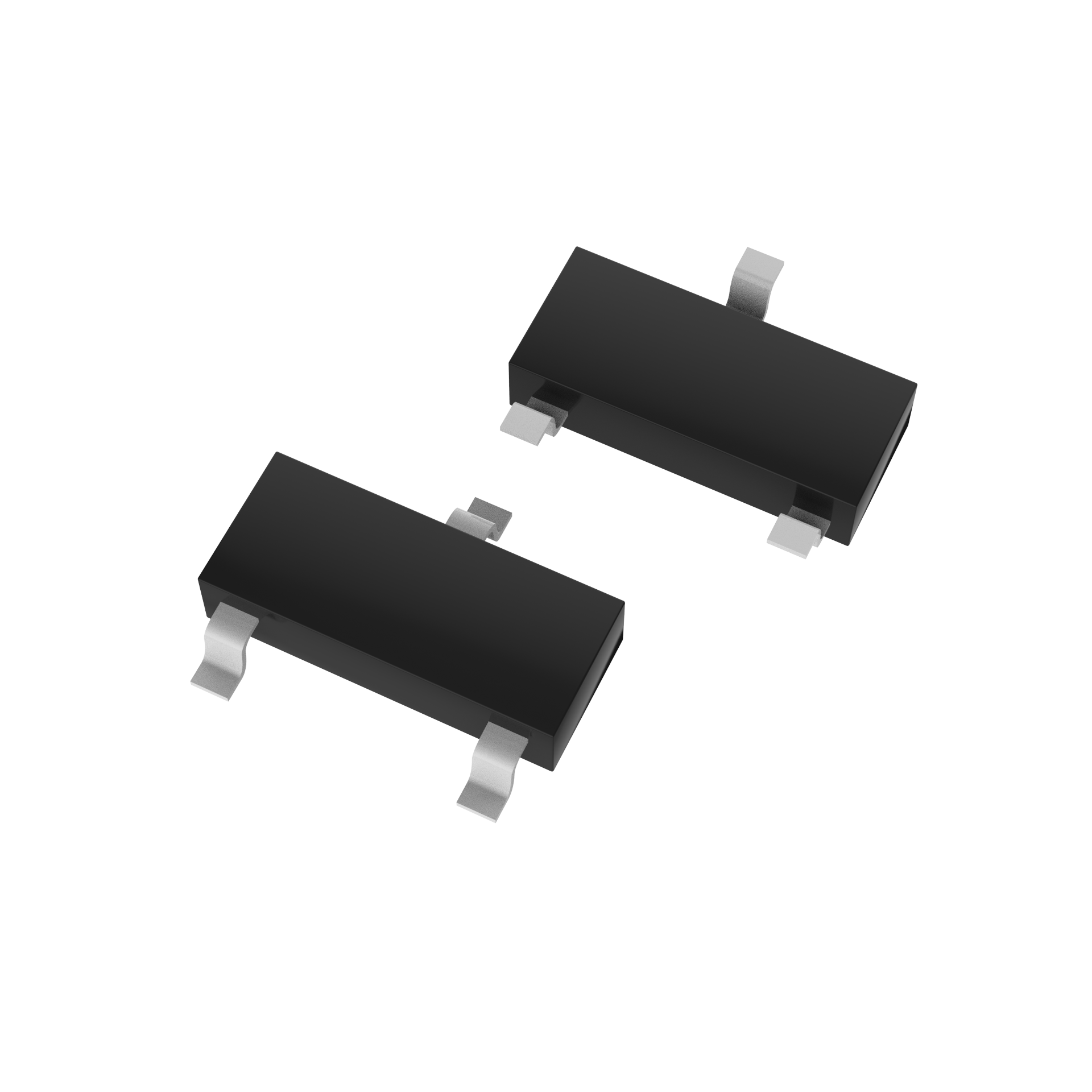
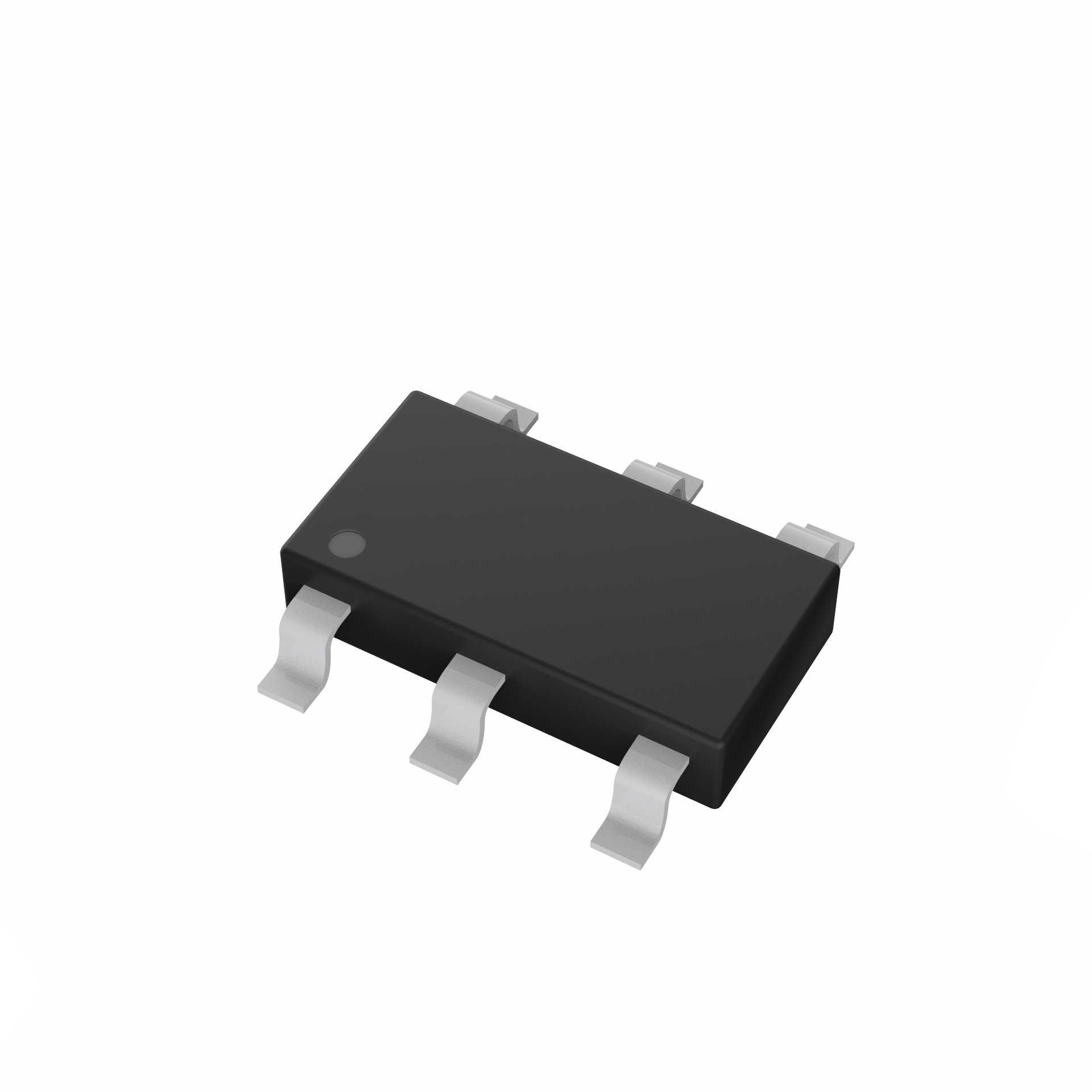
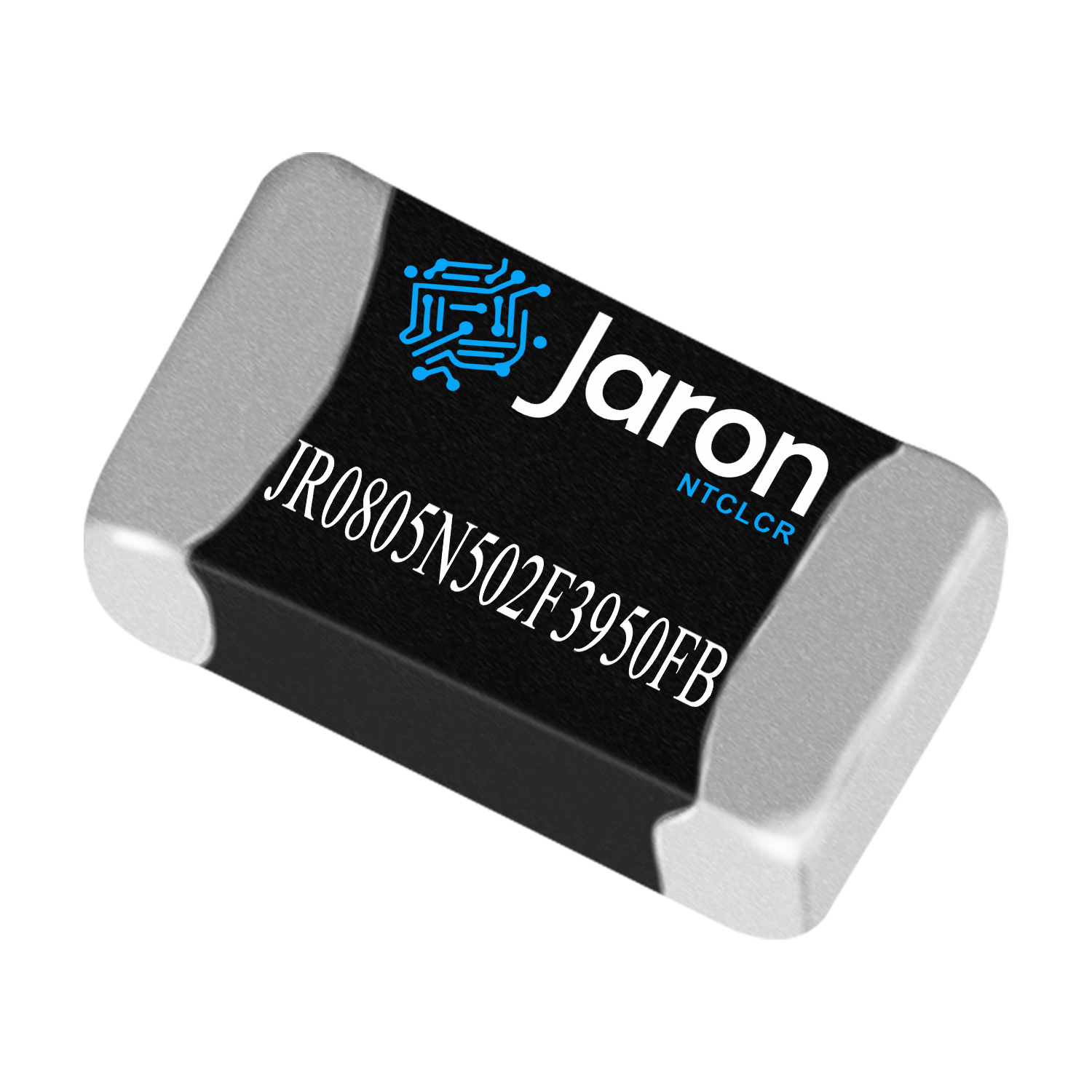
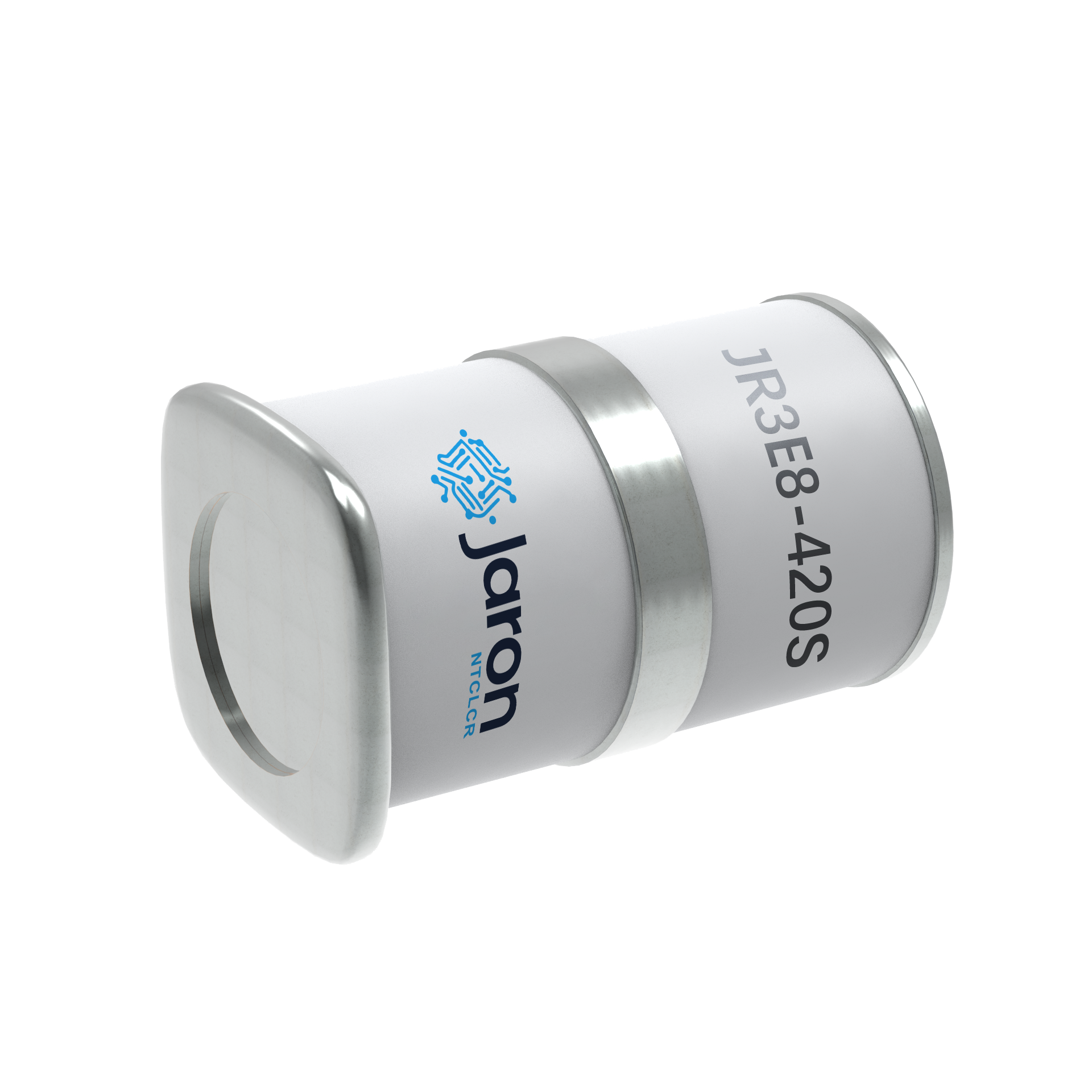
In the architecture of modern electronics, safeguarding circuits against overcurrent conditions is a non-negotiable design imperative. The Resettable Fuse, known technically as a Polymeric Positive Temperature Coefficient (PPTC) device, stands as a cornerstone of this protective strategy. Unlike traditional one-time fuses, a Resettable Fuse is a passive component engineered for automatic recovery. Its core mechanism is based on a conductive polymer composite. Under normal operating conditions, the polymer is crystalline and maintains a low resistance. When an overcurrent event occurs, the generated heat causes the polymer to undergo a dramatic phase change to an amorphous state, expanding and increasing its resistance by several orders of magnitude. This "trip" action effectively limits the fault current to a negligible, safe level. Crucially, once the power is removed and the fault condition clears, the polymer cools and recrystallizes, restoring the circuit. This self-recovery capability is transformative for systems where maintenance access is difficult, operational uptime is critical, or where user intervention is undesirable.
The application spectrum for Resettable Fuses is vast, aligning perfectly with Jaron's multi-industry coverage. In Automotive Electronics, the reliability demands are extreme. Here, Resettable Fuses protect sensitive electronic control units (ECUs), LED lighting arrays, and communication buses (like CAN) from shorts caused by wiring harness damage or load faults. Their ability to withstand the rigorous temperature cycles, vibration, and transient voltages of the automotive environment—often meeting AEC-Q200 standards—makes them indispensable. For Industrial Automation, PPTC devices are deployed to protect I/O modules, fieldbus communication ports (e.g., RS-485, Profibus), and sensor interfaces on PLCs. In a factory setting, an accidental short on a sensor line can halt production. A Resettable Fuse in this scenario isolates the fault, allowing the port to resume normal operation once the issue is resolved, thereby minimizing costly downtime without requiring a technician to replace a fuse.
The Consumer Electronics and Energy & Power sectors further highlight the versatility of the Resettable Fuse. In portable devices like smartphones, tablets, and wearables, PPTCs are critical for protecting lithium-ion battery packs from overcharge/discharge currents and safeguarding USB data/power ports. Their compact surface-mount package is ideal for space-constrained designs. In energy storage systems, solar inverters, and power supplies, they provide reliable protection for DC bus lines and auxiliary power circuits. Selecting the correct Resettable Fuse involves careful analysis of key parameters: the Hold Current (the maximum current the device can carry indefinitely), the Trip Time at a specified overload, the maximum Voltage Rating, and the device's initial resistance. Designers must also account for ambient temperature derating, as the trip current of a PPTC is inherently temperature-sensitive.
Navigating these technical selections while securing a stable, long-term supply requires a partner with both component knowledge and market agility. This is the value Jaron provides as a Global Supply Partner. We support engineers and procurement teams by sourcing Resettable Fuses that match precise electrical and form-factor requirements for commercial, industrial, and automotive-grade applications. Our technical sourcing team assists in evaluating datasheet specifications against application needs. For detailed pricing, specific part numbers from premier protection device manufacturers, and samples of Resettable Fuses for your prototype, we encourage you to contact our sales team directly. We are committed to providing flexible and reliable supply-chain solutions, ensuring your products are built with the robust protection they require to succeed in the global marketplace.

07
Jul
07
Jul
02
Jul
28
May

 EN
EN