Based on real part numbers, this article analyzes the application scenarios of MCUs in industrial control and smart terminals, covering selection logic, case studies, and global procurement trends.
I. Why MCUs Remain the Control Core of Electronic Systems
In an era dominated by AI processors and high-performance SoCs, MCUs still serve as the control backbone of most industrial equipment and smart devices.
The reasons are practical: stability, low power consumption, long lifecycle support, and predictable cost.
From PLCs and industrial gateways to smart meters, POS terminals, and chargers, MCUs remain indispensable.
II. MCU Parameters That Engineers Actually Care About
|
Parameters |
Engineering Significance |
|
Core |
Determines program size and operational stability |
|
Flash / SRAM |
3.3V / 5V compatibility |
|
Operating Voltage |
Industrial grade -40~85°C / -40~105°C |
|
Temperature Range |
UART / SPI / I2C / CAN / USB |
|
Peripherals |
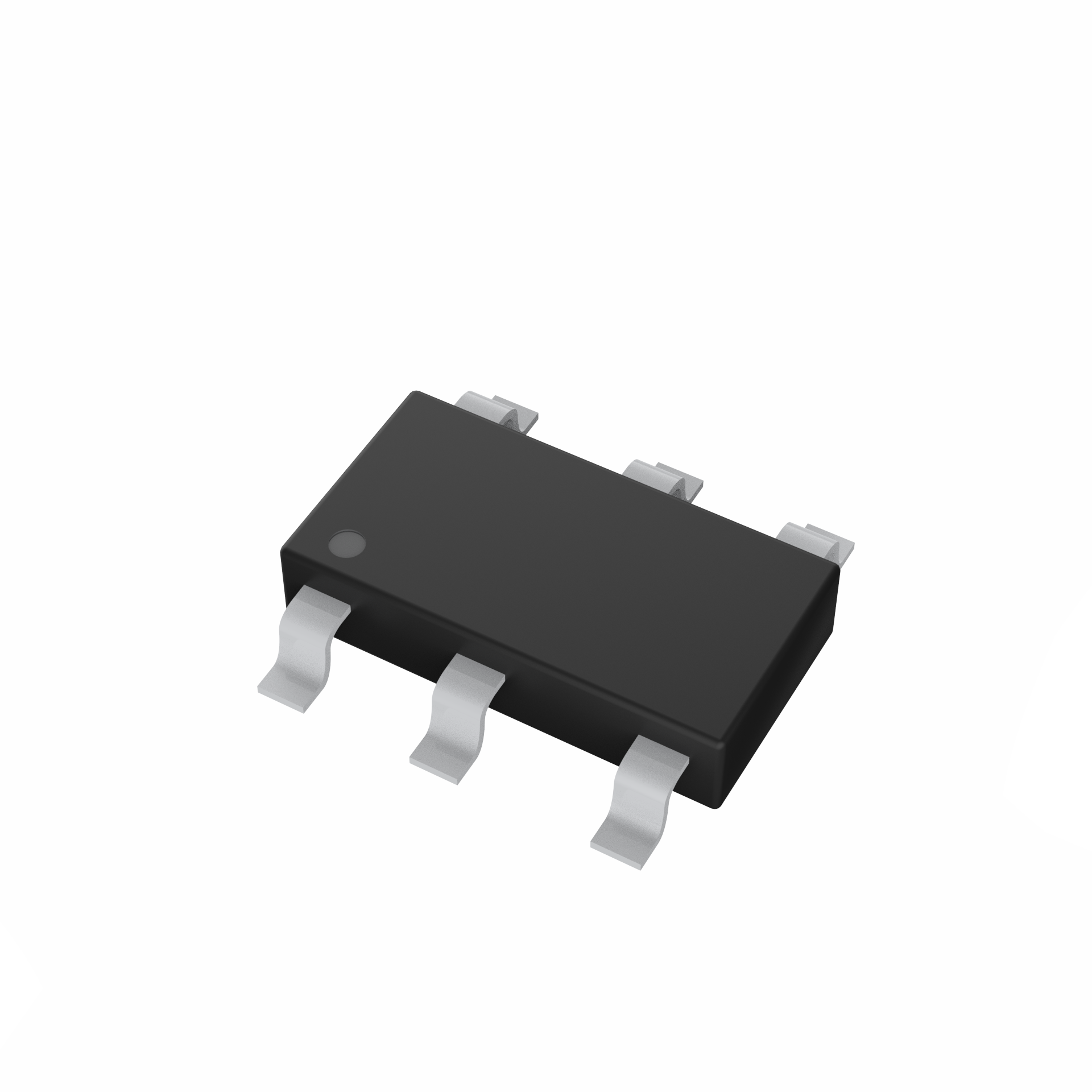
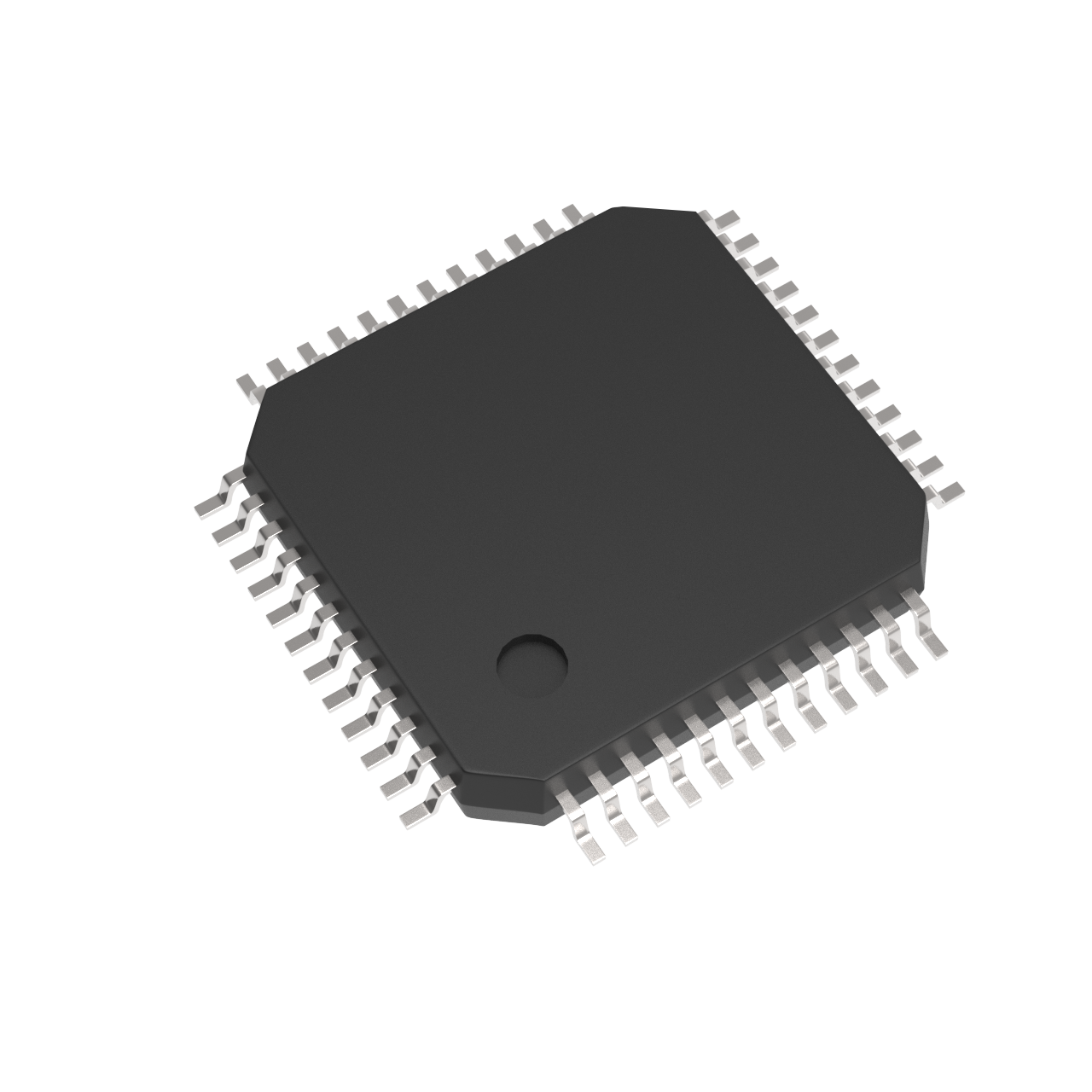
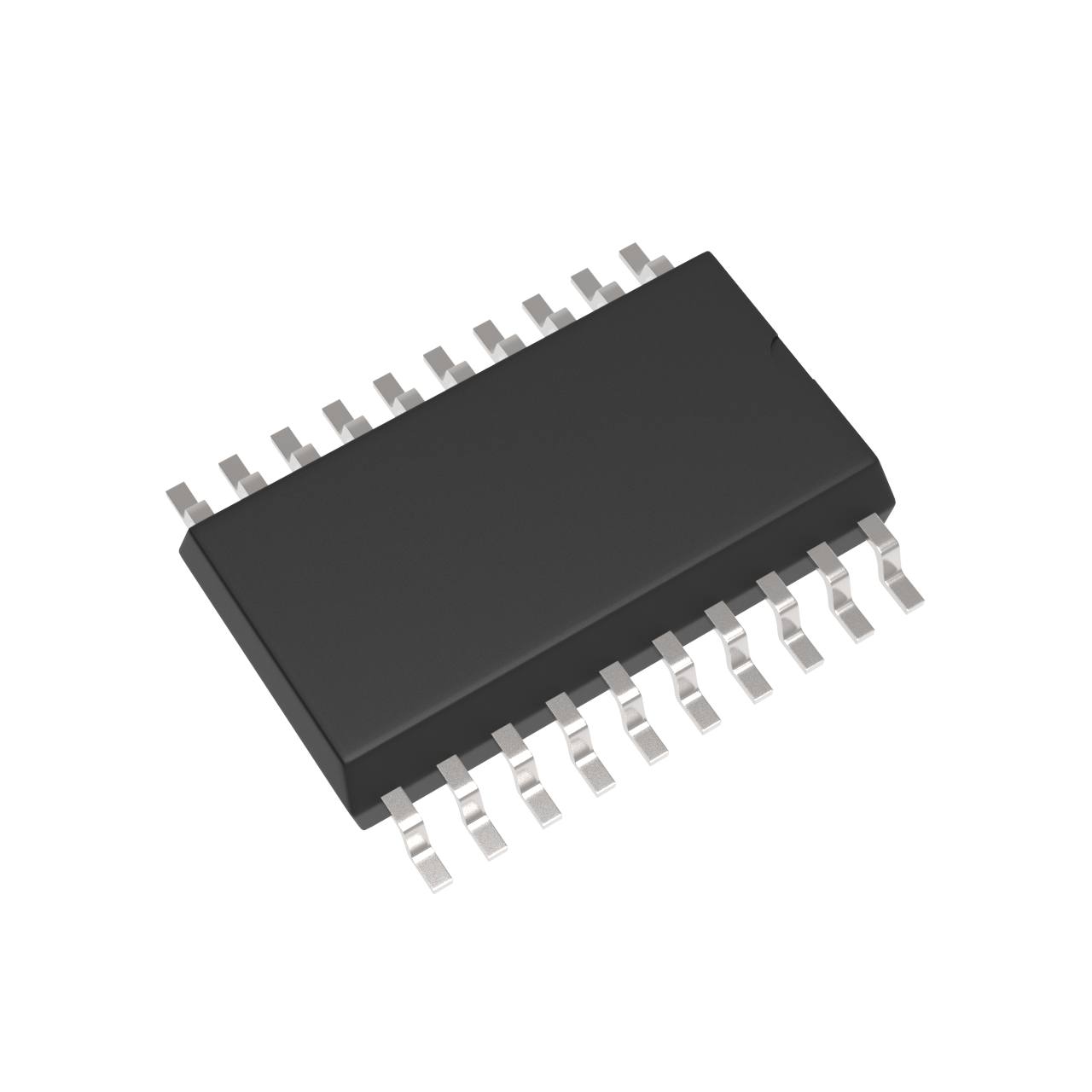
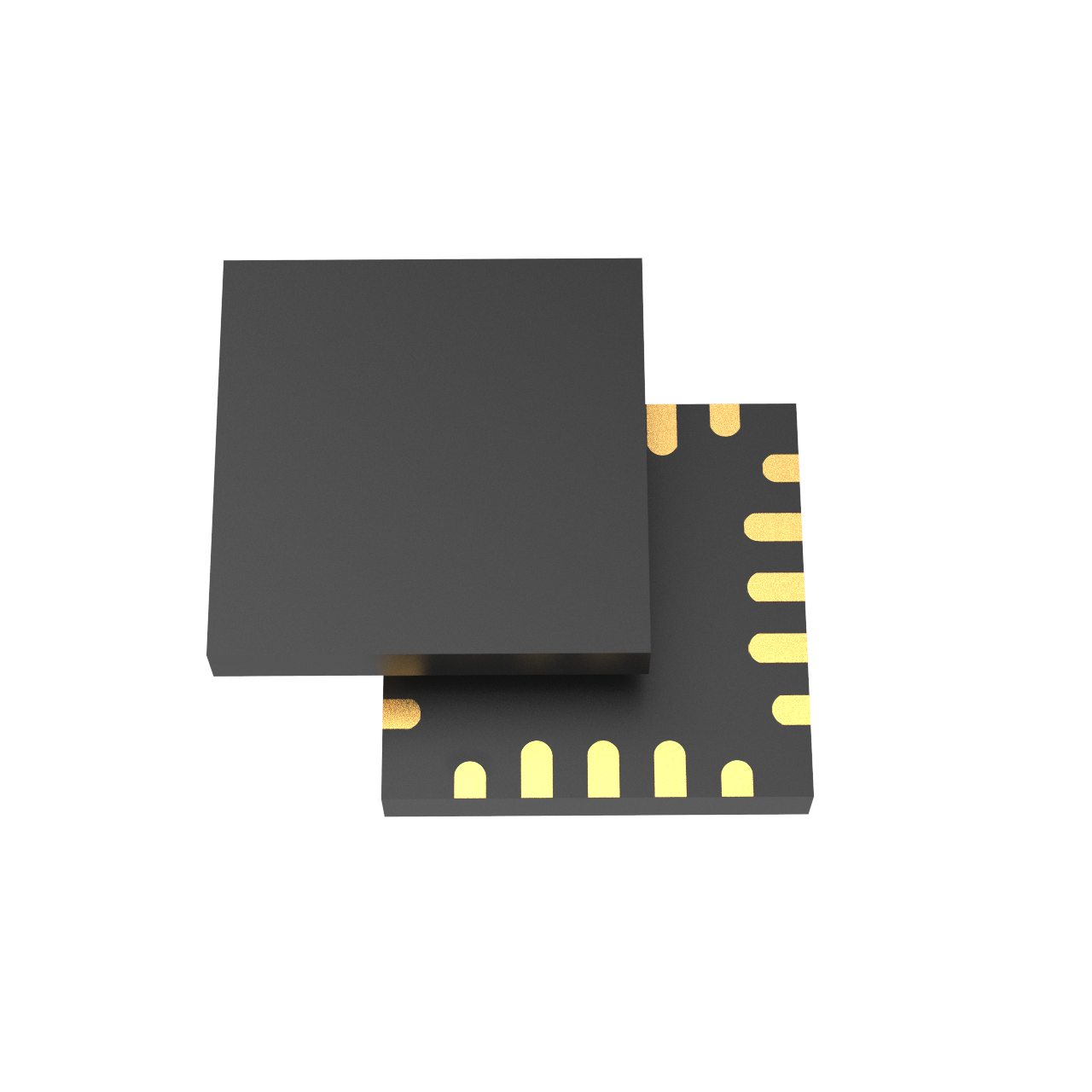
LQFP / QFN / BGA |
|
Package |
Determines program size and operational stability |
MCU selection is not about clock speed alone. Engineers focus on:
Memory headroom
Peripheral completeness
Industrial temperature ratings
Package compatibility with existing PCB designs
III. MCUs in Industrial Control: Real Models in Production
In industrial automation, HMI, and PLC I/O modules, the following MCU models are widely used in real-world projects:
Common Industrial-Grade MCU Part Numbers
STM32F103C8T6(STMicroelectronics)
Cortex-M3,72MHz
Widely used in PLCs, industrial instruments, and control boards
Long-term supply, mature ecosystem
STM32F407VGT6
Cortex-M4 with FPU
For industrial HMIs and human-machine interfaces
Excellent CAN/USB/Ethernet support
NXP LPC1768FBD100
Cortex-M3
Still widely used in European industrial control projects
These MCUs are widely deployed in Germany, Poland, and Italy, where industrial customers prioritize lifecycle stability and certification continuity.
IV. MCUs in Consumer and Smart Devices
In consumer electronics and smart devices, the focus of MCUs is shifting towards:
Low power consumption (Sleep/Stop mode)
Cost control
Miniaturization of packages
Model examples
STM32G030F6P6
Cortex-M0+
Widely used in smart home appliances and control panels
Microchip ATmega328P-AU
Core MCU of the Arduino ecosystem
Extensively used in smart control modules and educational equipment
NXP KL25Z128VLK4
Cortex-M0+
Commonly found in consumer-grade control boards and sensor nodes
These MCUs are heavily sourced in India, Vietnam, and Mexico, where ODM manufacturing emphasizes low MOQ, spot stock, and fast turnaround.
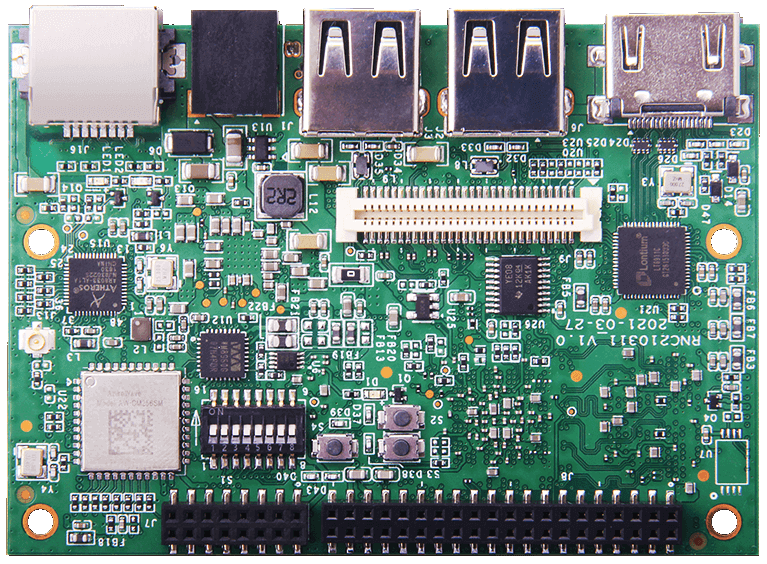
V. Case Study: MCU Selection for an Industrial HMI Board
An industrial HMI project initially used a low-end MCU and encountered the following problems:
UI refresh latency
High probability of communication interruptions
Insufficient expansion interfaces
After evaluation, the design migrated to:
STM32F407VGT6
External SDRAM + TFT controller
Improved CAN and RS485 stability
Final Results:
UI responsiveness improved by approximately 40%
System stability significantly improved
The project successfully entered mass production in the Eastern European market.

 EN
EN