
 EN
EN
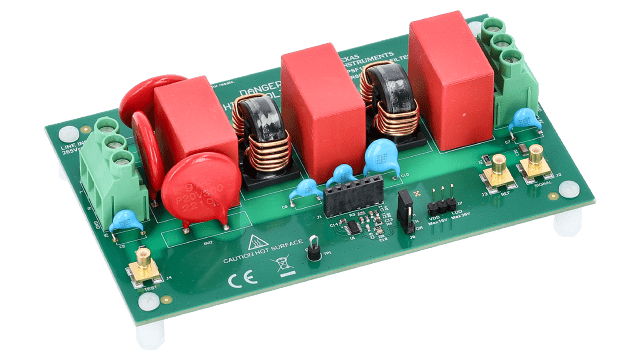
Beth yw Capasitifrhau Hidlwr EMI a Sut ydyn nhw'n Amddiffyn Signalau Thelechymunedu?
Diffiniad a Swyddogaeth Gored y Capasitifrhau Hidlwr EMI mewn Llwybrau Signal
Mae cyflonyddion hidlo EMI yn chwarae rôl hanfodol mewn systemau teleffonau modern trwy fynd i'r afael â'r rhyddid electromagnetig rhwystrol a all achosi difrod ar ansawdd y cyfathrebu. Mae'r bythynwyr bychain hyn yn gweithredu fel cadwyr dewisol, yn gadael i'r pethau is-fn a angen arnom ni fynd trwy er mwyn galwadau llais glir a thrasnewid data ddibynadwy, wrth atal y sŵn uch-fn a achosi pob math o broblemau. Fel arfer mae peiriannwyr yn eu gosod yn union ble maen nhw angenwyd o gwmpas cysylltiadau cyflenwad pŵer a ger cydrannau RF sensitif. Pan gosodir nhw'n iawn, maen nhw'n ailgyfeirio'r ynni trydanol niweidiol yn uniongyrchol i dir yn hytrach na'i gadael niweidio ein llwybrau signal hanfodol ni. Heb y diogelwch hwn, byddem yn gweld popeth o sain darlledu distawledig i drawsnewidiadau data a chynhyrchiant anghyson mewn rhwydweithiau 5G ar y blaen sy'n gweithredu ar donfeddi milltir. Meddyliwch amdanyn nhw fel milwyr y fron mewn ymladd am arwyddion glir, yn gwneud eu swydd yn dawel i gadw'r cyfathrebu'n rhedeg yn lein drwyddi draw.
EMI Gynhyrfedig vs. Gollyngedig: Y Bygythiadau Prifol i Gysonedd Arwyddion Telecom
Mae rhwydweithiau telecom yn wynebu problemau o ddau fath prifol o dryladedd EMI: aseiniol a radiatedig. Mae tryladedd aseiniedig yn symud drwy wirwyr a chysylltiadau go iawn fel llinellau pŵer, llwybrau bwrdd cylched, neu gysylltion cawr. Yn y rhan fwyaf o'r amser mae'n dod o bethau fel cyflenwyr pŵer sy'n troi ar a off yn gyflym, rheolyddion motror, neu chipiau digidol. Roedd gan Sefydliad Ponemon adrodd yn 2023 bod y fath o dryladedd yn achosi tua 68 y cant o bob mater sinal ar safleoedd tŵr gell. Yna mae gennych EMI radiatedig sy'n lledaenu drwy'r awyr fel donau electromagnetig o bethau o amgylchyn ni - meddyliwch am gwrsydd Wi-Fi, y golau LED newydd yma bobman, hyd yn oed stormydd tylwyll. Mae hyn yn dod yn broblem fawr iawn mewn dinasoedd sy'n llawn peiriannau gan fod sinalau gwahanol yn cymysgu â'i gilydd, gan wneud derbynwaith yn waeth. Dim ond spike bach iawn o 2 filisecond yn y tryladedd sy'n gallu distrio amseru sinalau 5G neu niweidio pecynnau data, gan arwain at drosglwyddoadau ailadroddus a gwasanaeth yn arafach i bawb sydd wedi'u cynnwys.
| Math o EMI | Dull Lleoeddi | Ffynonellau Cyffredin | Effaith ar Arwyddion Telechymunedu |
|---|---|---|---|
| Gynhreitiedig | Cablau/gwifrau | Cyflenwyr pŵer, peiriant | Corwyd data, gostyngiadau voltedd |
| Goleiddiol | Awyr (donau electromagnetig) | Ddyfeisiau di-wifr, tylwythog | Lleihau cyfradd sain i drawdlyd |
Sut mae Capasitwrau Hidl EMI yn Cadw Sefydlogrwydd Arwyddion mewn Rhwydweithiau Uchel-ymddirieda
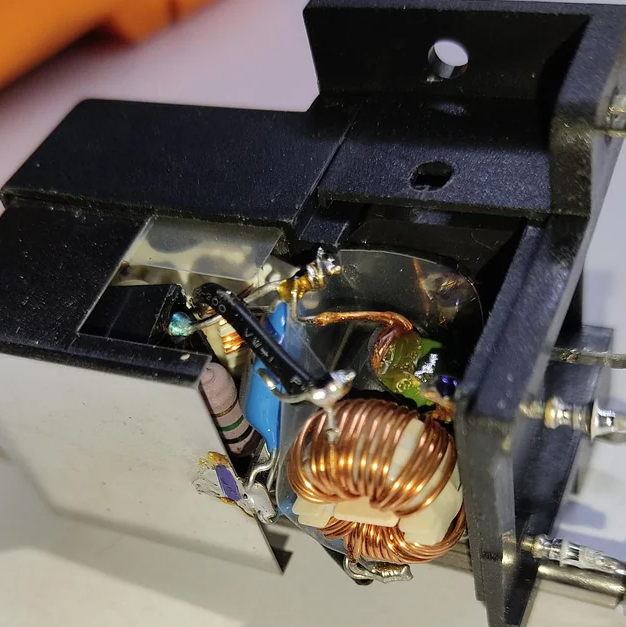
Mewn seithiant telathrebu penodol i amheuon—gan gynnwys radio diogelwch cyhoeddus, rhwydweithiau ymateb brys, a thrafnidiaeth sylfaenol 5G—mae capasitwrau hidl EMI yn sicrhau sefydlogrwydd trwy dri ymddrech cydweithredol:
- Amddiffyniad ffrwydred : Mae capasitwrau ceramig yn lleihau trawslyd uwchben 1 MHz—y band blaenllaw ar gyfer harmonegion trosglwyddo a threiddiadau allan-o-ban 5G.
- Dibynu llwybr tir : Mae capasitwrau dosbarth Y yn llifo donfrewydrion uchel-frequecni i'r ddaear yn ddiogel heb amharu ar wahaniaethu galwanaidd rhwng cylchoedd sylfaenol a chylchoedd eilwyrdd.
-
Cydwedd Masymau : Trwy leineddu anghysonion mudo ar gyferion (e.e., rhwng trosiannau pŵer a chyflyrau RF blaen), maen nhw'n lleihau adlewyrchiadau arwyddion a drylediadau data.
Gyda'i gilydd, mae'r swyddogaethau hyn yn lleihau collwyr peceddanau hyd at 92% mewn systemau wedi'u hidlo o gymharu â systemau heb eu hidlo o dan straen electromagnetig—gan galluogi trawsnewid heb wallau hyd yn oed yn ystod cyfluthroadau dirgrynnus neu swn amgylchol parhaus uwchlaw 120 dBμV/m.
Cymwysiadau Allweddol o Gynwysyddion Hidl EMI yn Ysbernodau Teleffonau Modern
Heriau EMI mewn Seintiau Sefon 5G a Rhwydweithiau Trwm Dinas
Mae gan orsaf seithu 5G sy'n gweithio ar y ffrênhon tonnau milimedrig rhwng 24 a 47 GHz wirioneddol broblem â materion EMI mewn gosodiadau dinasol. Mae ardaloedd dinasol yn llawn i'r brim ag ystodau sydd wedi'u crynhoi'n agos at ei gilydd, ac maen nhw hefyd yn agos i drosglwyddwyr pwerus sy'n creu pob math o broblemau trawsieithu. Pan nad oes hidlo da ar waith, mae'r swn cefndir hwn yn rhwystro modiwladu'r signalau, yn achosi cyfraddau gwallau bit uwch, ac yn arwain at lawer o drosglwydo annymunol rhwng celloedd. I barhau i weithio'n araf, mae peiriannwyr yn gosod cyflonyddion hidlo EMI yn nifer o bwyntiau allweddol gan gynnwys mewnbwn AC, allbwn trosiadau DC-DC, ac ar draws llinellau pŵer modrwyau RF. Mae'r hidlyddion hyn yn helpu i gynnal ansawdd y signal angenrheidiol ar gyfer pethau datblygedig fel modiwladu 256-QAM a'r rhaglenni cyflym isel-golled sydd eu hangen gan bawb. Mae adroddiadau maes o'r diwydiant hefyd yn dangos rhywbeth eithaf sioc: tua dwy dryd o bob faliad rhwydwaith 5G mewn dinasoedd mawr yn dod i lawr i goryptio'r signal oherwydd EMI. Mae hyn yn golygu bod y hidlyddion hyn yn gydrannau hanfodol i gadw'r seilwaith yn ddibynadwy.
Astudiaeth Achos: Gwella Hygrededd Arwyddion gyda Hidlau EMI mewn Unedau Radio 5G
Mewn lansio mawr sydd i ddod â 200 gorsaf 5G i dinasoedd, ychwanegon peiriannwyr gydrannau MLCC dielectric X7R i systemau dosbarthu pŵer y unedau radio. Roedd y capasitri hyn yn nodweddiadol yn delio â thoriadau harmonig sydd yn dod o gorsoedd celloedd agos a rheoleiddwyr symudiad lleol, gan helpu i sefydlogi cyflenwad y foltedd i feintydd pŵer RF. Dangosodd profion maes rhywbeth hyfryd: disgynnodd colledion arwyddion yn ystod amseroedd llawn tua 40%, er i lefelau terydiant trydan-goleuadaol gyrraedd dros 120 dBμV/m mewn rhai ardaloedd. Mae'r ffaith nad oedd y dull hwn yn gwneud colled ar reoli gwres na'n cymryd gofod ychwanegol ar bwrdd cylched yn golygu bod defnyddio deunrau ceramig yn weithgar ar gyfer hidlo EMI, gan wneud eu mod yn opsiwn ymarferol i wella hygrededd rhwydweithiau 5G heb golli ystyriaethau pwysig yn y ddylunio.
Mathau o Gapasitri ac Eu Perfformiad mewn Hidlo EMI ar gyfer Teleffonau
Mae dewis y math cywir o gynhrerwr yn hanfodol i ddelio â bygythion EMI penodol ar draws bandiau ffram, gofynion diogelwch, a manylebau ffisegol mewn systemau telecom.
Cynhreirwyr Cerameg mewn Gwasgaru EMI Uchel-Ffrâm
Mae MLCCs, neu gyfres o gynhrerwr eiddo amrywiol, yn chwarae rôl bwysig iawn wrth gwahardd twyll trydanol ar amleddau uchel mewn offer telecom heddiw. Mae gan y cydrannau hyn lefelau naturiol isel o gyfateb ymddygiad paralel (ESR) yn ogystal â hydlyfrwydd (ESL), sy'n golygu eu bod yn gallu delio â problemau sŵn yn effeithiol hyd yn ochor 1 GHz. Mae hyn yn ei wneud yn ddewisiadau da i ddelio â materion harmoneg mewn systemau radio 5G mmWave a phob math o gysylltiadau data cyflym. Y ffaith bod MLCCs ar gael mewn pecynnau mor fach tra bodent yn cynnig trwchion capasitans gynyddol yw un plws mawr arall. Mae hyn yn galluogi peiriannwyr i'w ffitio i ofodau tew mewn pethau fel unedau antena weithredol (AAUs) a gosodiadau cellau bychain, lle gall arbed dim ond sawl milimetr wneud y gwahaniaeth. Pan mae'r cynhrerwyr hyn yn darparu llwybr isel i impedyans i dir ar gyfer sŵn RF, maen nhw'n helpu cadw arwyddion glir a chlir heb amharu ar gylchoedd analog na RF sensitif rhywle ymhellach ar hyd y llinell.
Diogelwch a Thorri: Rôl Capasitryddion Y mewn EMI a Thraswytho Arwyneb
Mae capacitors Y, y rannau diogelwch tystnodol o linell i dir yn ôl safonddyn IEC 60384-14, yn chwarae rôl hanfodol byth mae rheoliadau'n cyfarfod anghenion diogelwch y byd go iawn ac angen datrys materion EMI. Mae'r gydrannau hyn yn mynd yn union o fewnbynnau AC i dir y casgliad, gan wneud eu gwaith trwy dynnu i ffwrdd yr holl sŵn uchafbenedig sy'n cael ei gynhyrchu gan forsydd pŵer newidio. Unwaith ag yn yr un man, maen nhw'n cadw cyrrentau danlodiad o fewn terfynau diogel hefyd — tua 0.25 mA uchaf ar gyfer dosbarth Y1 a thua hanner hynny ar gyfer dosbarth Y2. Paru nhw â chrogfeydd modd cyffredin a phan roeddech chi'n siarad am gosodiadau hidlydd Pi sy'n gallu lleihau sŵn gynhwysol hyd at 30 dB ar draws annaliadau o 100 kHz i 10 MHz. Mae'r fath berfformiad yn ei wneud nhw'n hanfodol i ddelio â phroblemau tryllwyd sy'n dod allan o gyfleusterau telecom megis rectifiers a gwydroddion. Y newyddion da yw bod y capacitors hyn yn dod ag yswiriad cryfhedig sy'n gallu llawdio voltiau taro well na 1.6 kV, sy'n golygu eu bod yn para hirach ac yn cyd-fynd ag ofynion diogelwch rhyngwladol a nodir yn safonddyn megis UL 60384-14 a EN 60384-14 heb dorri eich ysbryd.
Adran Cwestiynau Cyffredin
Beth yw swyddogaeth bennaf capasitor hidlo EMI?
Cynllunir capasitordd hidlo EMI i flocio sŵn annymunol cyson-uchel rhag rhyngweithio â signalau cyfathrebu, gan sicrhau trosldanfon data glir a ddibynadwy mewn systemau teledraws.
Sut mae hidlyddion EMI yn amddiffyn signalau teledraws mewn gosodiadau dinas?
Mewn gosodiadau dinas, mae hidlyddion EMI yn hanfodol er mwyn cadw ansawdd y signal rhwng sgrîn drwg a rhynglai o drosglwyddwyr agos. Maen nhw'n gwneud hyn trwy leihau sŵn cyson-uchel a sefydlu lwybrau trosldanfon arwyddo.
Pam mae gan gynharau cerameg eu ffafrio mewn hamseru EMI teledraws?
Mae gan gynharau cerameg, yn enwedig MLCCs, eu ffafrio am eu hathrysiad gyfresol cyfartal isel a'u hunaniaeth, sy'n eu gwneud yn effeithiol wrth ddelio â materion sŵn cyson-uchel a'u ffitio i ofynnau bach mewn offer teledraws.
Sut mae capasitordd Y yn cyfrannu at hidlo EMI a diogelwch trosldanfon arwyddo?
Mae gan y gynwerthwrion ddyma swyddogaeth diogelwch trwy ddyrchafu sŵn amledd uchel i'r ddaear wrth gadw lefelau cyrrent danllyd yn saff. Maen nhw'n hanfodol i fulmar brioddegau diogelwch a lleihau sŵn gynhyreiddiol mewn offer telecom.